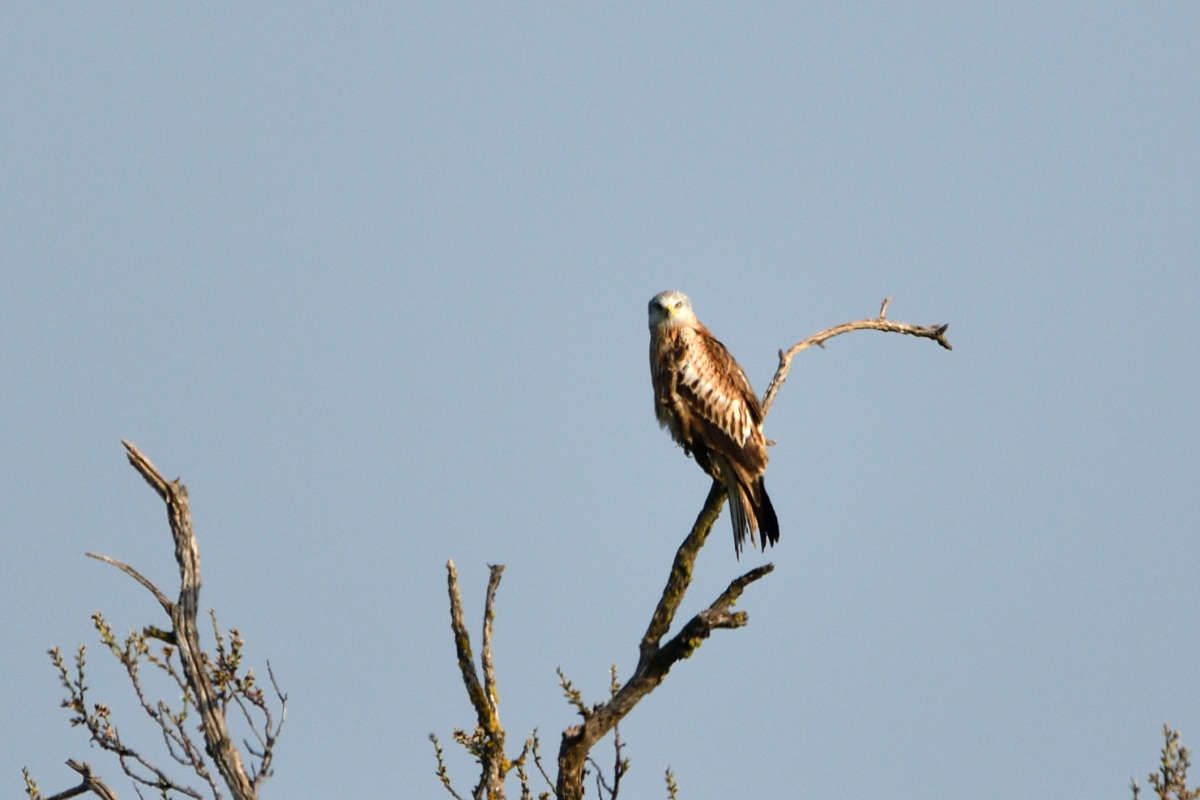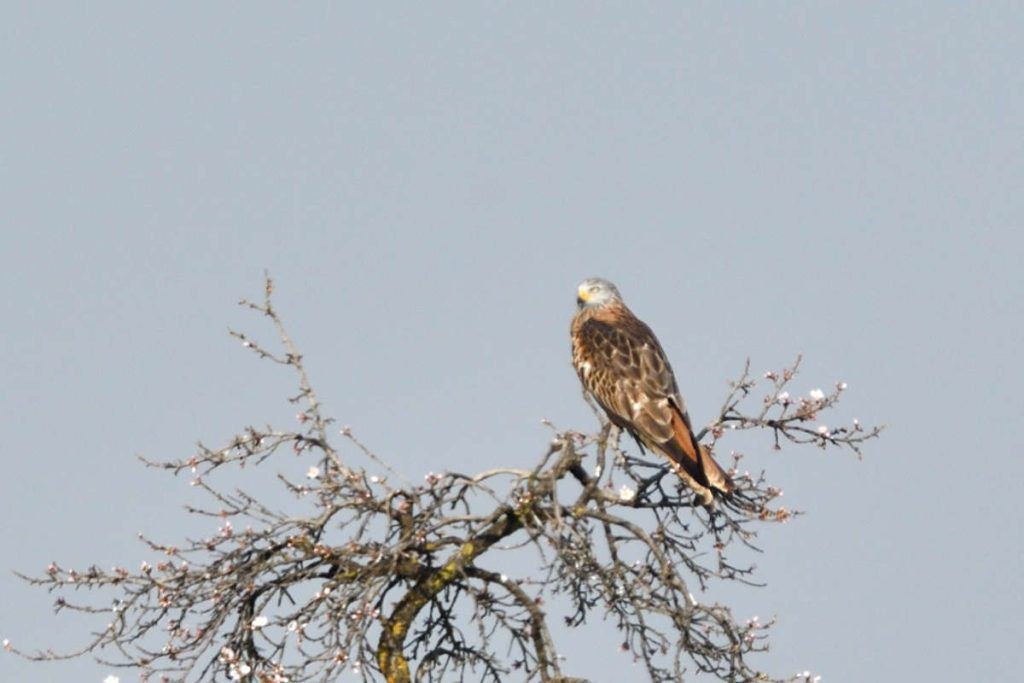
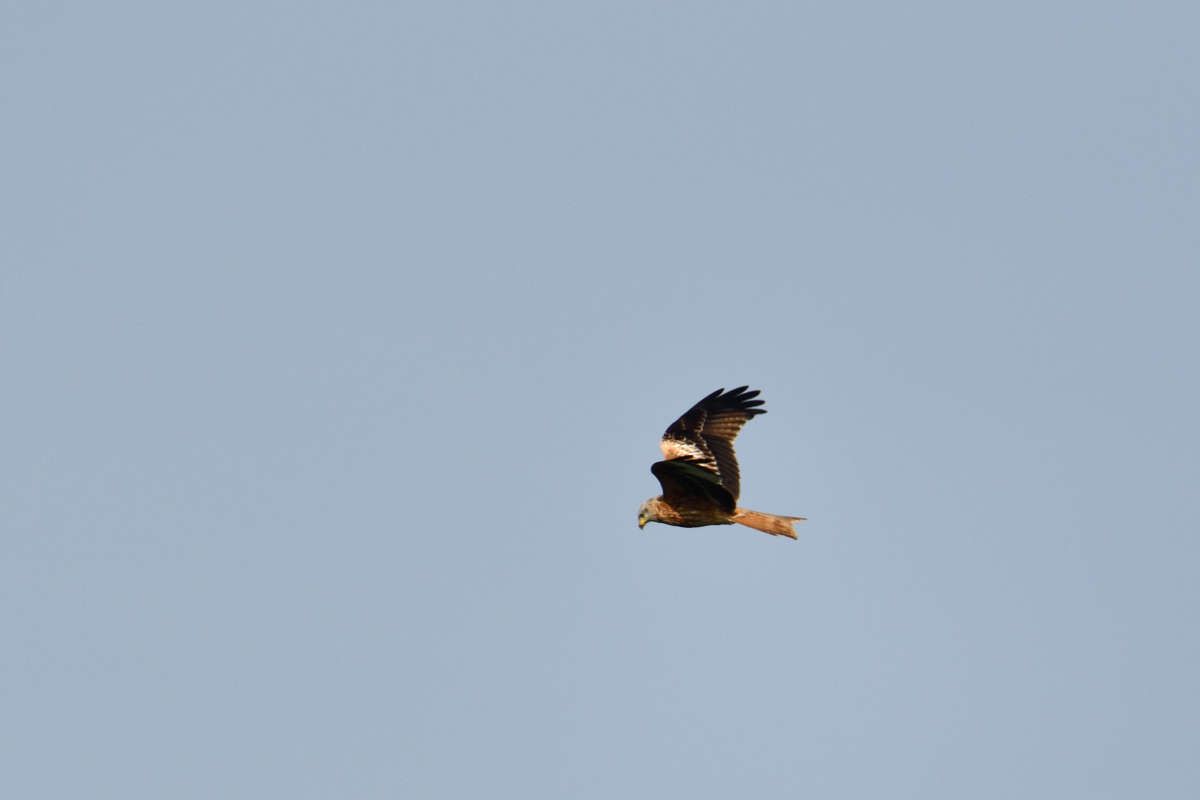
Just a glimpse of its silhouette in flight is enough to recognize it instantly. red kiteLike the black kite, it has such a distinctive tail that it's impossible to mistake it for any other bird of prey when it flies. During the winter, we can see hundreds of red kites across the Iberian Peninsula, but the number of breeding pairs here is declining. Do you want to know the reason for this incongruity?
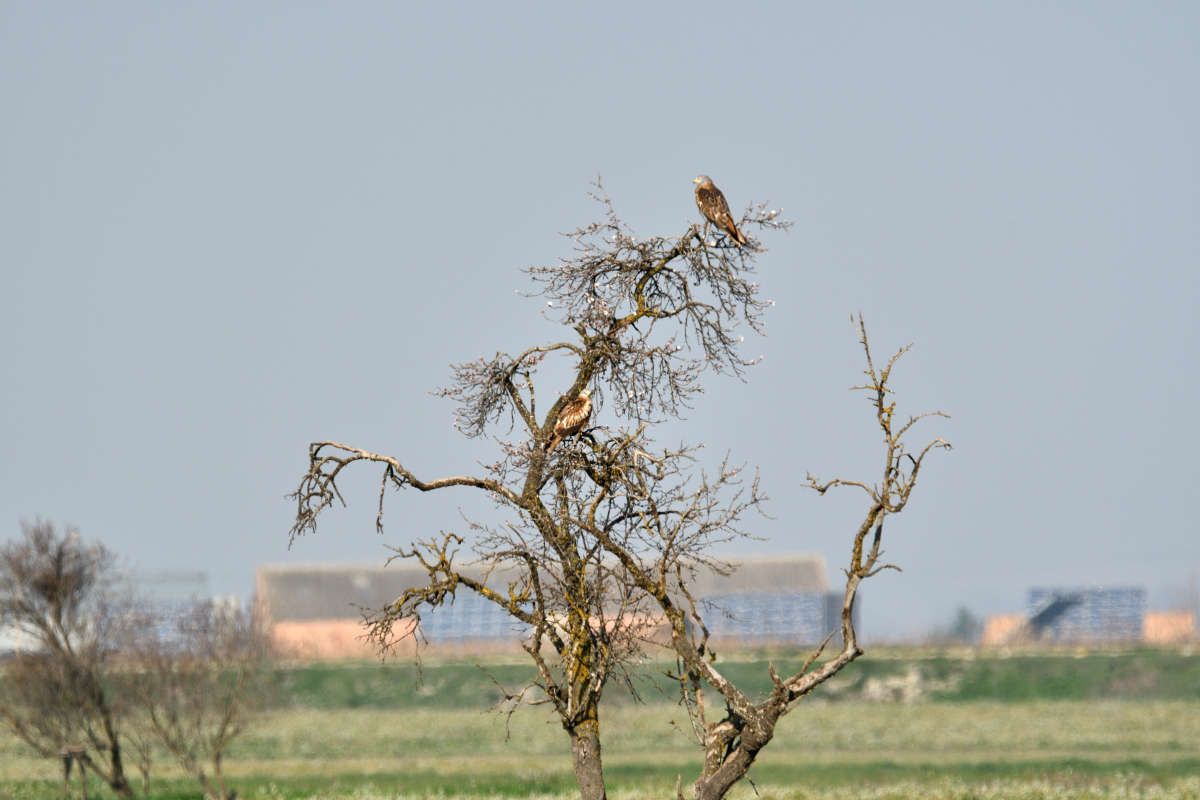
You've probably seen this little bird of prey on one of your trips to the countryside. kite real It's a very characteristic bird of scrubland forest areas. Forests interspersed with large agricultural meadows, especially those planted with cereals and fruit trees. It's easy to recognize in flight by its forked tail, but would you like to know a little more about its morphology?
The red kite is a very distinctive bird and easy to identify by its appearance. Adult specimens usually have a distinctive grayish plumage on their heads, while their bodies are dominated by golden tones on their dorsal feathers. However, two characteristics allow us to identify a red kite without a doubt: its forked tail and the white stripes under its wings.
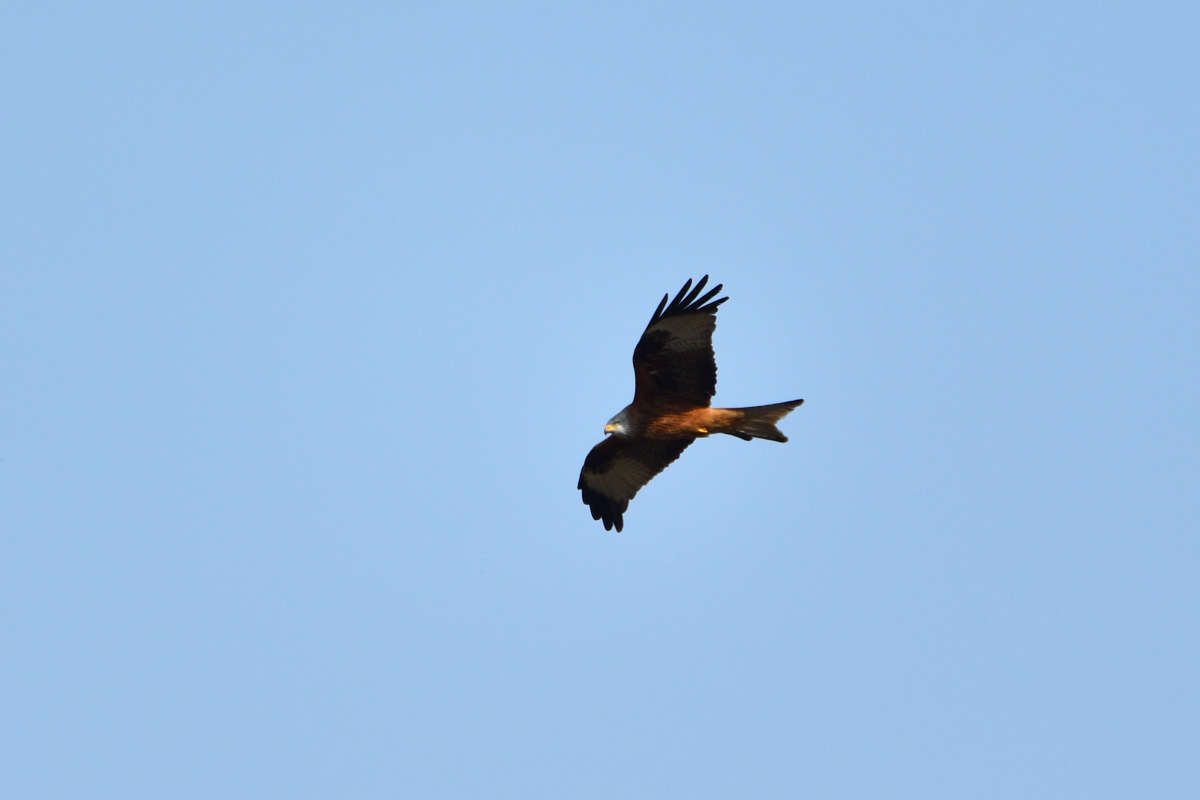
It's a medium-sized bird of prey. With its wings spread, its length doesn't exceed 70 cm. Its height rarely exceeds 170 cm. However, it's this medium size that gives it great agility in flight.
As we have already said, it is easy to find the red kite in forested areas of scrubland close to cultivated areas. During the winter months The red kite population is growing exponentially, as many arrive from different countries in northern Europe. They are found throughout the Iberian Peninsula, with the exception of coastal areas, both in the east and north.
However, the fact that the total number of red kites is so high in winter does not reflect the reality of the distribution of this species in the Peninsula. number of breeding pairs On the Peninsula, it is declining year after year. The causes are varied.
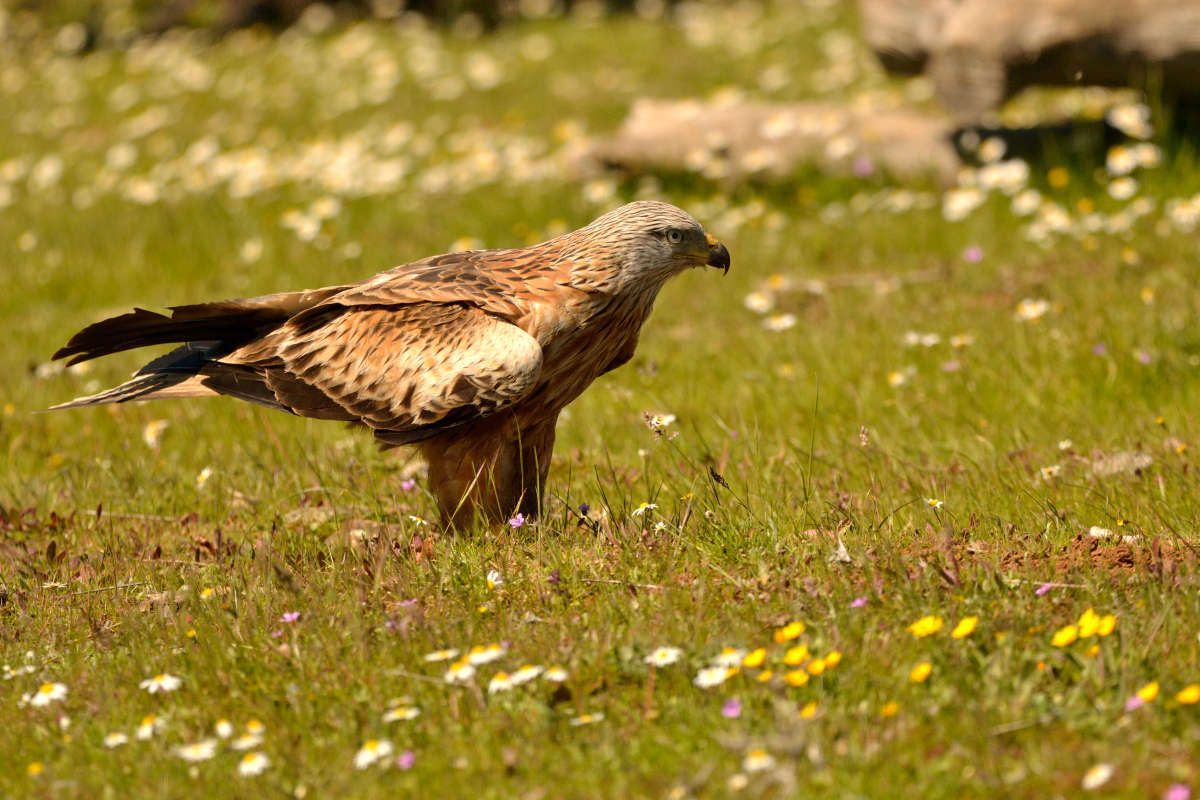
The loss increasingly pronounced in large cultivated areas and low forest, their natural habitat, is the main factor. Another cause is attributed to rising winter temperatures, which causes many kites to migrate to northern Europe well before their breeding season.
The red kite is more specialized that your "cousin" (the black kite) when it comes to feeding. Although they usually actively hunt small prey, they prefer to feed on sick animals, which they don't require a great effort or energy expenditure.
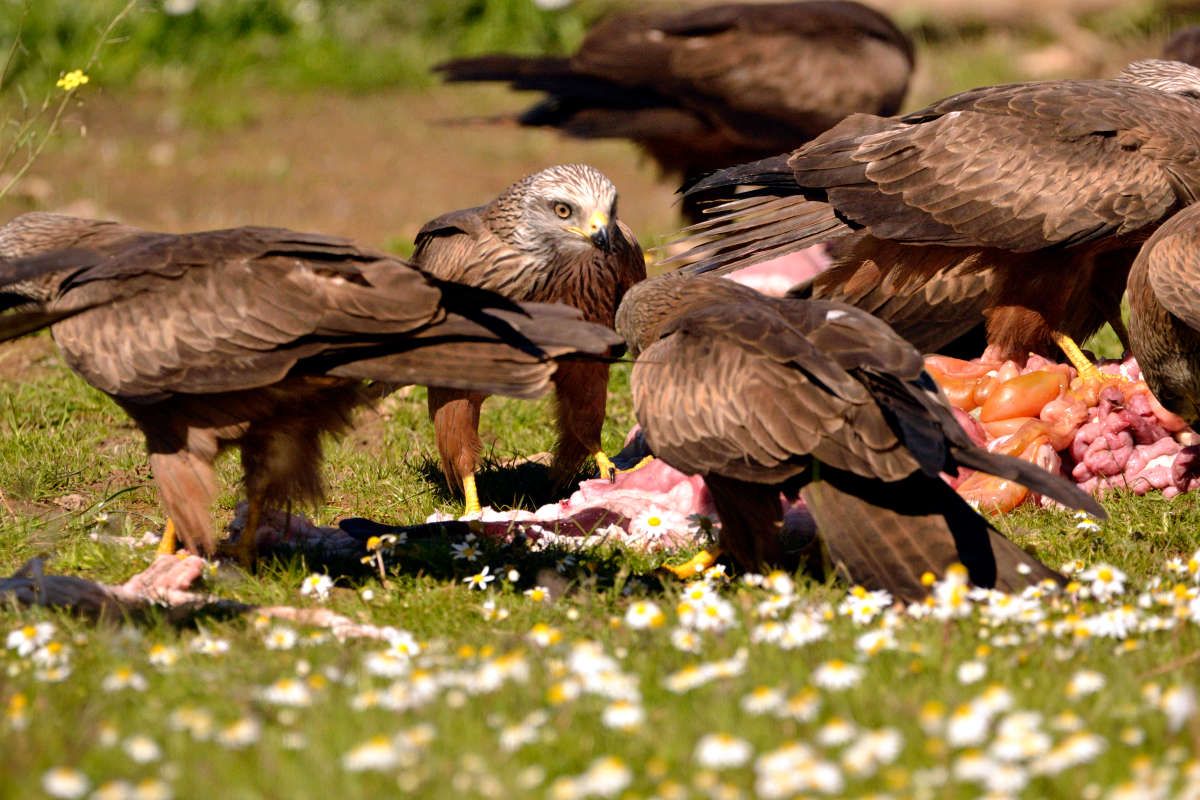
One of their main sources of food is usually dumps and landfills close to the areas they live in. In short, they depend much more on humans, their waste, and the remains of sick or dead livestock than their relatives. blacks. In fact, the first time we photographed this little bird of prey was from a hide in Monfragüe, do you remember?
Well, as we have already mentioned, the increase in temperature in winter together with the loss of habitat natural environment have led to a decrease in the number of stable (and breeding) pairs on the Peninsula. In other words, the number of pairs that live here year-round is decreasing. The fact that for years kites and other medium-sized birds of prey were considered competition for hunting enthusiasts hasn't helped either. poisons and indiscriminate hunting reduced the species at the end of the 20th century.
All this has contributed to the species being included in the catalogue of endangered species, although as we said at the beginning of this article, during the winter months it is easy to see hundreds of these birds distributed throughout the Peninsula.
And that's why we must fight to preserve their habitat and protect them from illegal hunting and poisoning. Despite what it may seem, birds of prey like red kites play a very important role in our forests and farmland. They clear these areas of dead and sick animals. Ultimately, they help keep scrubland and adjacent farmland clean and with fewer sick animals.