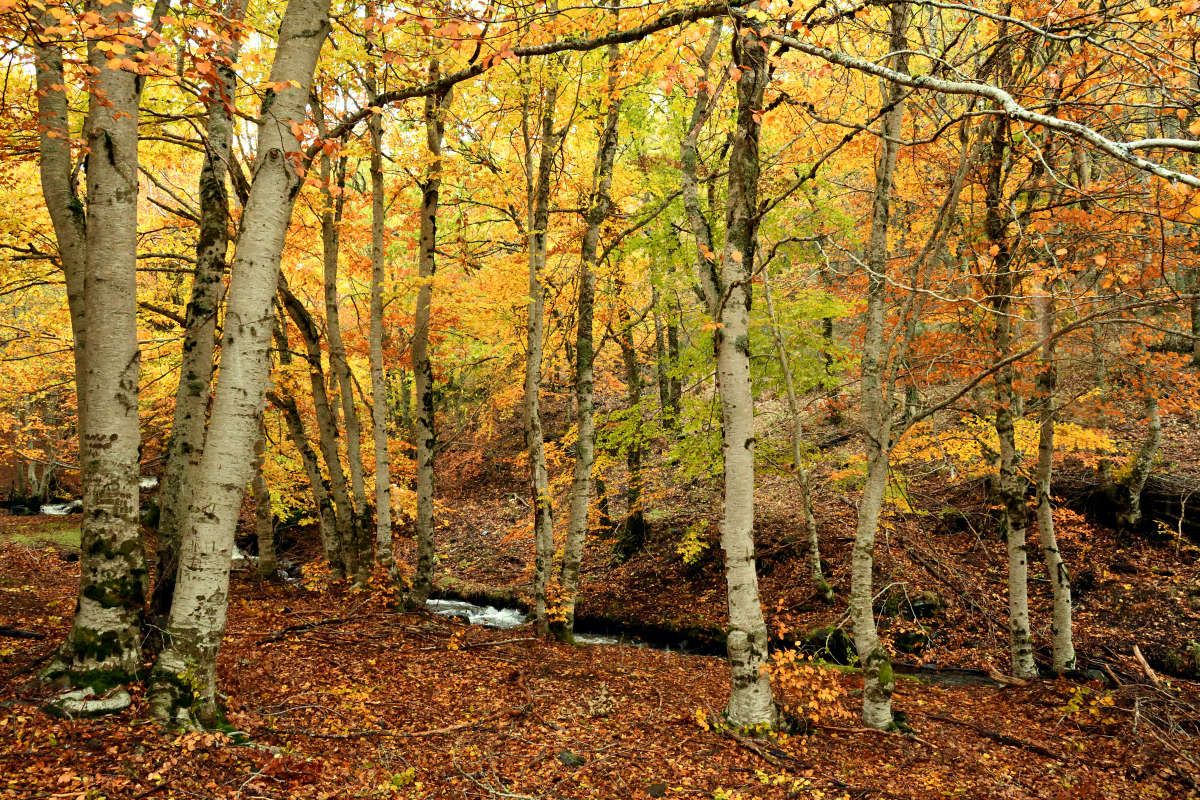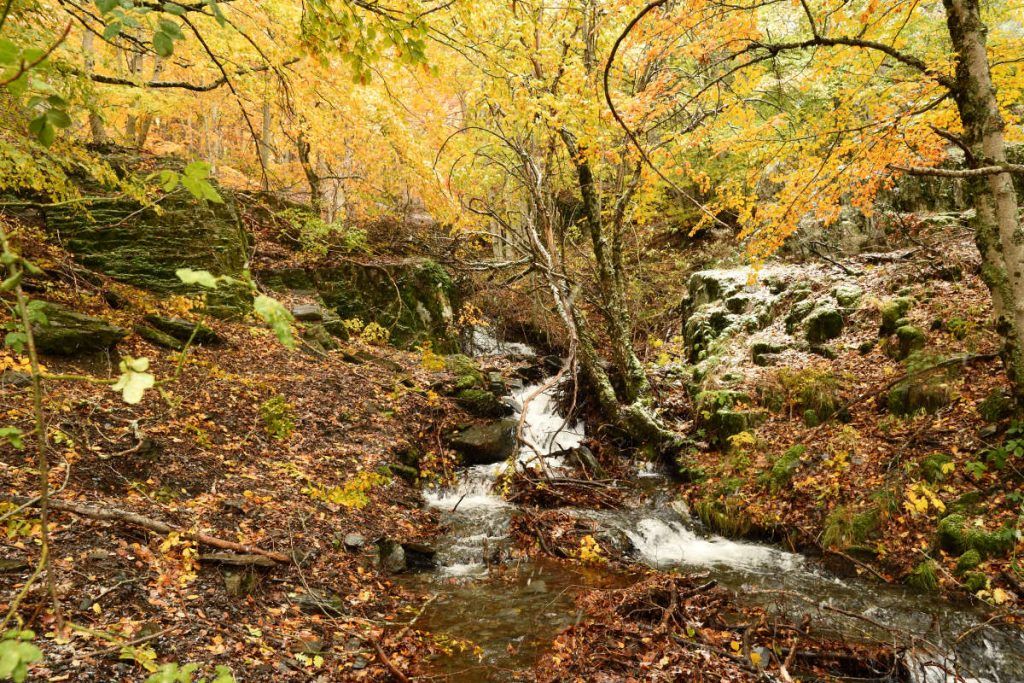
In autumn, posts, videos, and stories of dreamy landscapes filled with yellow, red, ochre, and gold are traditional, sometimes even viral. And this year, I've been the victim of that autumn photography fever. The location I chose to photograph is one of the best we can find in the Iberian Peninsula: the Tejera Negra beech forest, right in the heart of the Sierra Norte Natural Park. Want to know what I found in this park? Keep reading this article.

In the heart of the Ayllón MountainsIn the province of Guadalajara (Spain), lies a natural treasure known as the Hayedo de Tejera Negra. This beech forest, included in the Sierra Norte Natural Park, is a biodiversity paradise and one of the last refuges for beech trees (Fagus sylvatica) on the Iberian Peninsula. But it's during autumn that this corner of nature becomes a spectacle of colors and a unique experience for nature and landscape photography lovers.
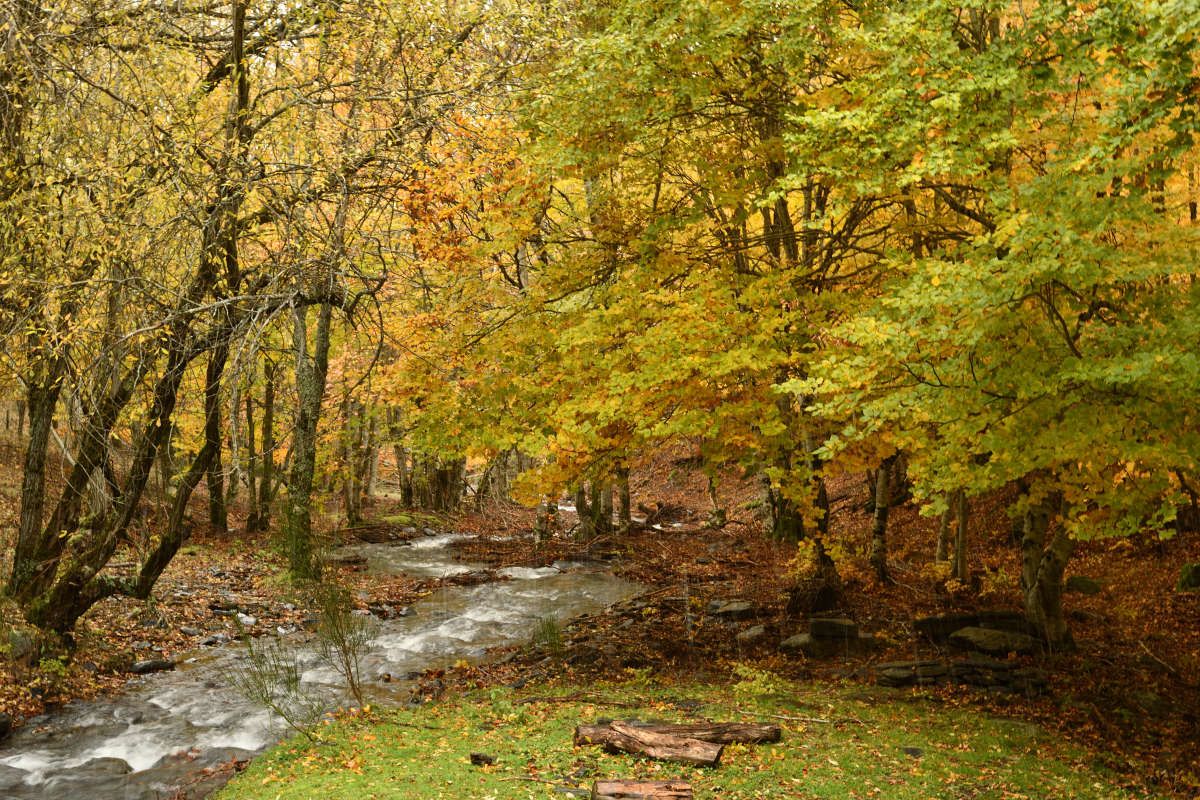
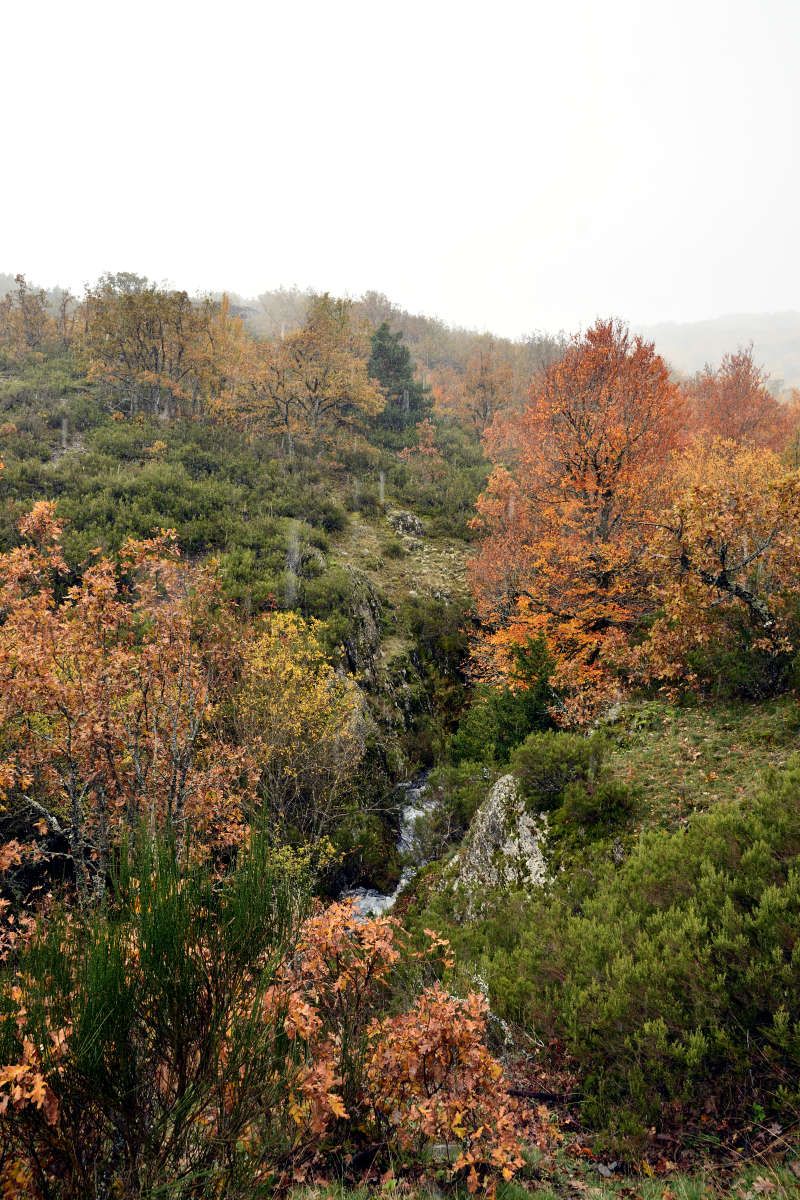 Autumn in the beech forest is a phenomenon that attracts visitors from all over the world. The dense forests of beech, oak, and birch, with their deciduous leaves, transform into a kaleidoscope of colors ranging from deep green to bright yellow, passing through shades of gold, orange, and deep red.
The contrast of these colors with the ground covered with ferns and moss creates a magical landscape which resembles a fairy tale.
Of course, the importance of this beech forest goes beyond its autumnal beauty. It's a remnant of the beech forests that once dominated much of the region, and the continent.
The conservation of this ecosystem is essential for protect local biodiversity and preserve the area's natural heritage. The Tejera Negra beech forest is home to a variety of wildlife, including birds, mammals, and amphibians, making it a focal point for environmental research and education.
Walking along the paths of the Tejera Negra beech forest in autumn is like entering a fairy tale world. The whisper of the wind through the golden leaves and the crunch of the leaves under your feet create a atmosphere of tranquility and peace for the walker. The photograph It becomes a fascinating experience, capturing the palette of colors that nature unfolds before our eyes.
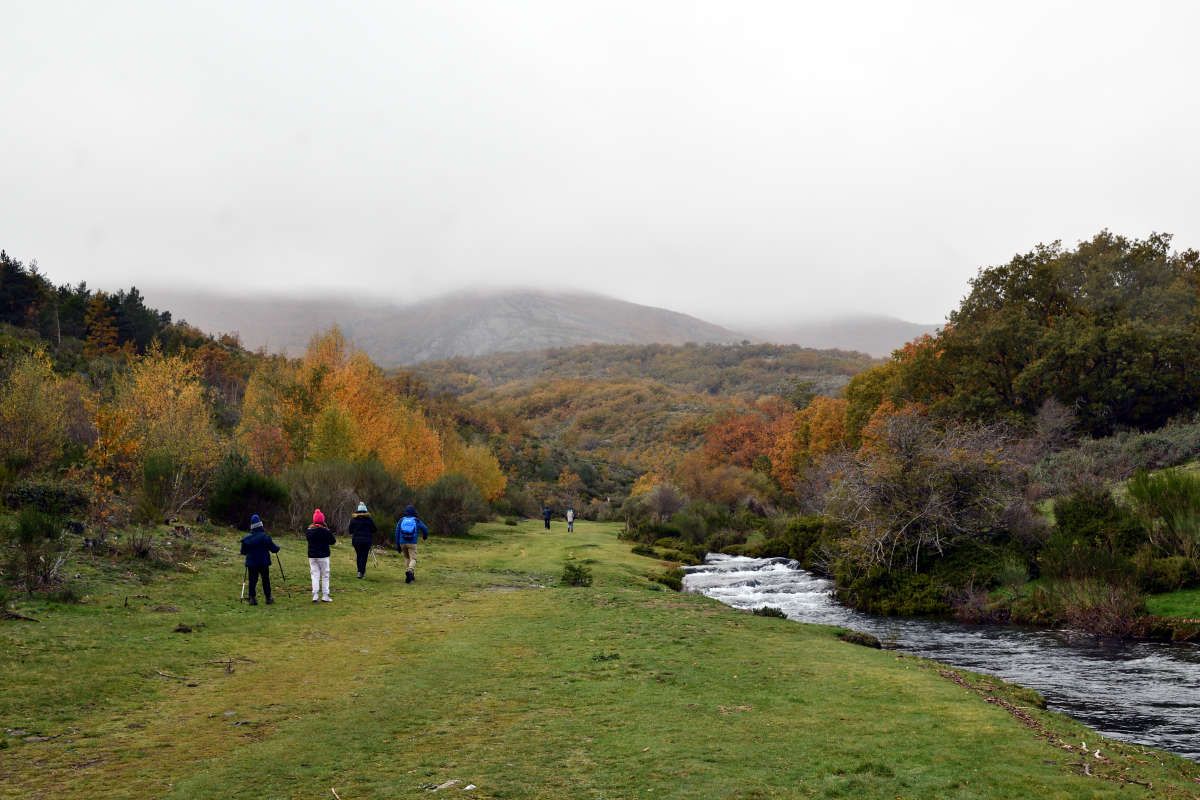
 The beech forest can be visited at any time of the year, but anyone who intends to visit it in autumn should know that during this time of year the nearest parking lot to the beech forest, in the Cantalojas interpretation center, is limited to a certain number of vehicles per day. It can be reserve to enter, but you can imagine that weekend spots during the fall are booked up quickly. In fact, many people reserve weekend spots in October and November, right in the middle of summer, not knowing if the weather conditions will be good on the day of their reservation or if access will be closed due to storms or blizzards.
As this is a beech forest in the heart of the mountain range, it's advisable to wear clothing and footwear appropriate for the climate, which can be very cold. Wear thermal and warm clothing. It's also a good idea to wear waterproof clothing, as heavy rain and even snowfall are common in this unique forest.
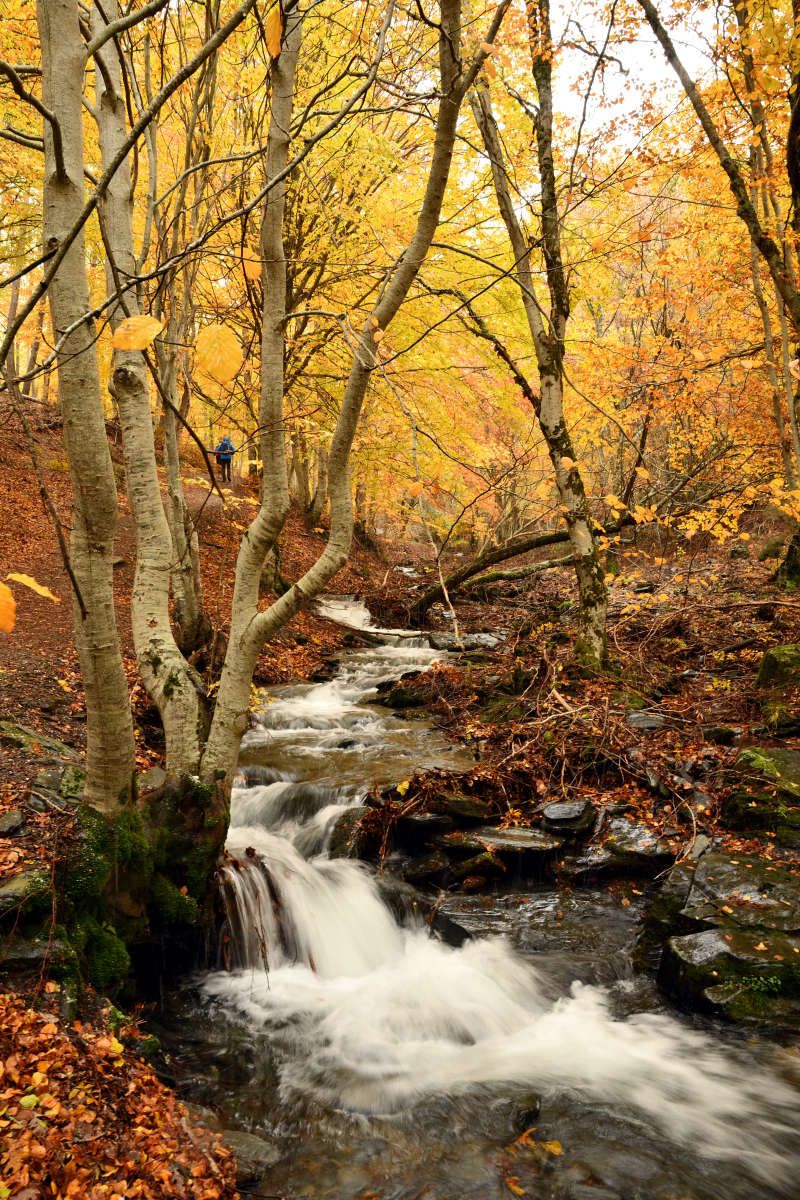
The water, along with color, is the other great protagonist of autumnIf the summer rains have been sufficient, the number of streams, creeks, and waterfalls we'll find along the walk will be countless. We'll have dozens of spots where we can practice photographing silky waterfalls, long-exposure photography, and the use of filters.
This fall, you can't miss visiting the Tejera Negra beech forest and marveling at the colors Mother Nature paints on its centuries-old beech trees. As autumn progresses and winter approaches, this gem of nature reminds us of the importance of preserving and enjoying our natural environments, where beauty and biodiversity intertwine in an unforgettable autumnal embrace.