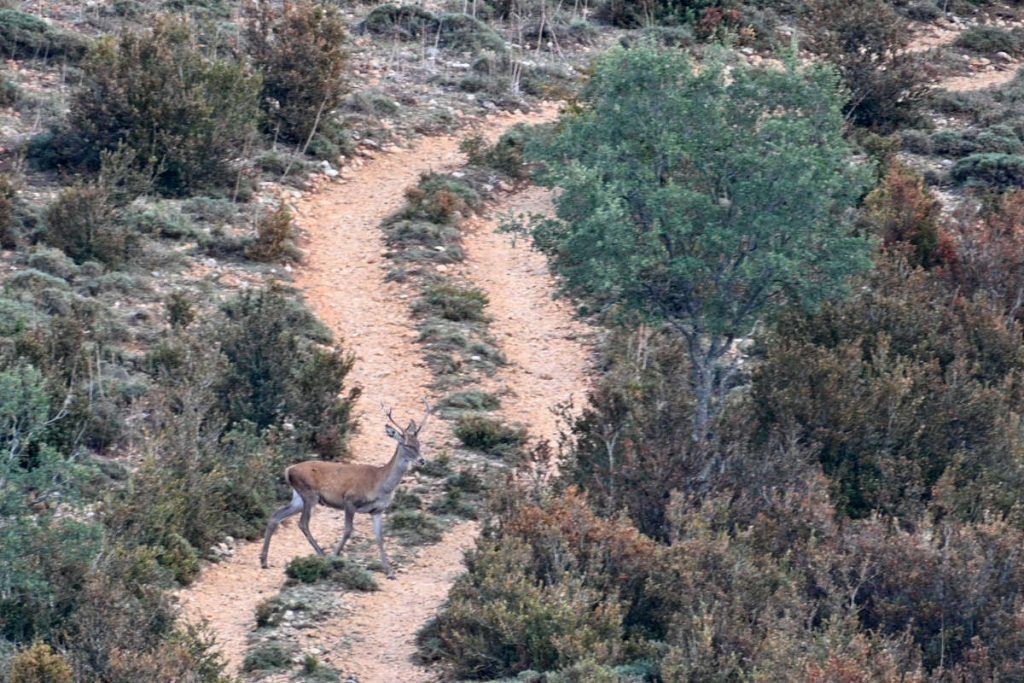
It's probably happened to you. You're in the forest, far away, and you see a slight movement. But the animal is too far away. You know it has four legs, a brown body, and maybe even antlers... But what is it? Is it a deer? Maybe a roe deer? A fallow deer, perhaps?... No idea. You might even have your binoculars handy... but... you're not entirely sure... Deer, roe deer and fallow deer...But which one is each?
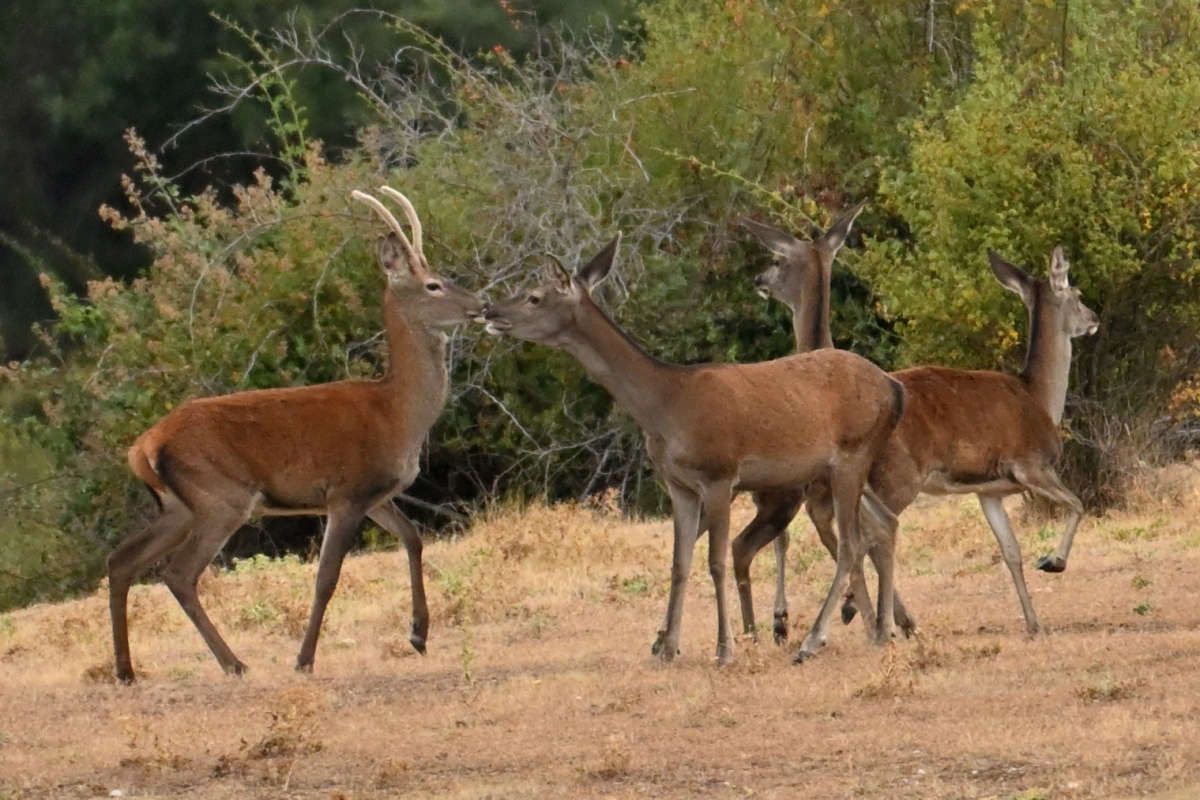
During rutting season, not only mammals go crazy, but we humans also rush to the forest to hear the roar of nature. But sometimes it's not easy. Animals are elusive, and we have to observe them from a distance, and often we're not sure if what we're seeing is a bird, a plane, or Superman.
In my case, today I'm bringing you an article about three mammals that we can sometimes confuse from a distance. Even professionals in this field, those who know the most, can have trouble identifying an animal that's far away.
The animals I mentioned before, the deer, the roe deer and the fallow deer, belong to an order of mammals called ungulatesI won't bore you with classifications and Latin names, which you can Google yourself. I'll simply tell you that they are a group of herbivorous, four-legged mammals. They are a very diverse group and also widespread throughout the world.
Ungulates include some of the most iconic and majestic animals in wildlife. But in my case, I focus on the three most famous ones we can find. in the Iberian PeninsulaDeer, roe deer, and fallow deer. Three species that share similarities, but also exhibit notable physical and morphological differences that make them unique. In this article, I'll explain these differences to better understand these elegant forest dwellers.
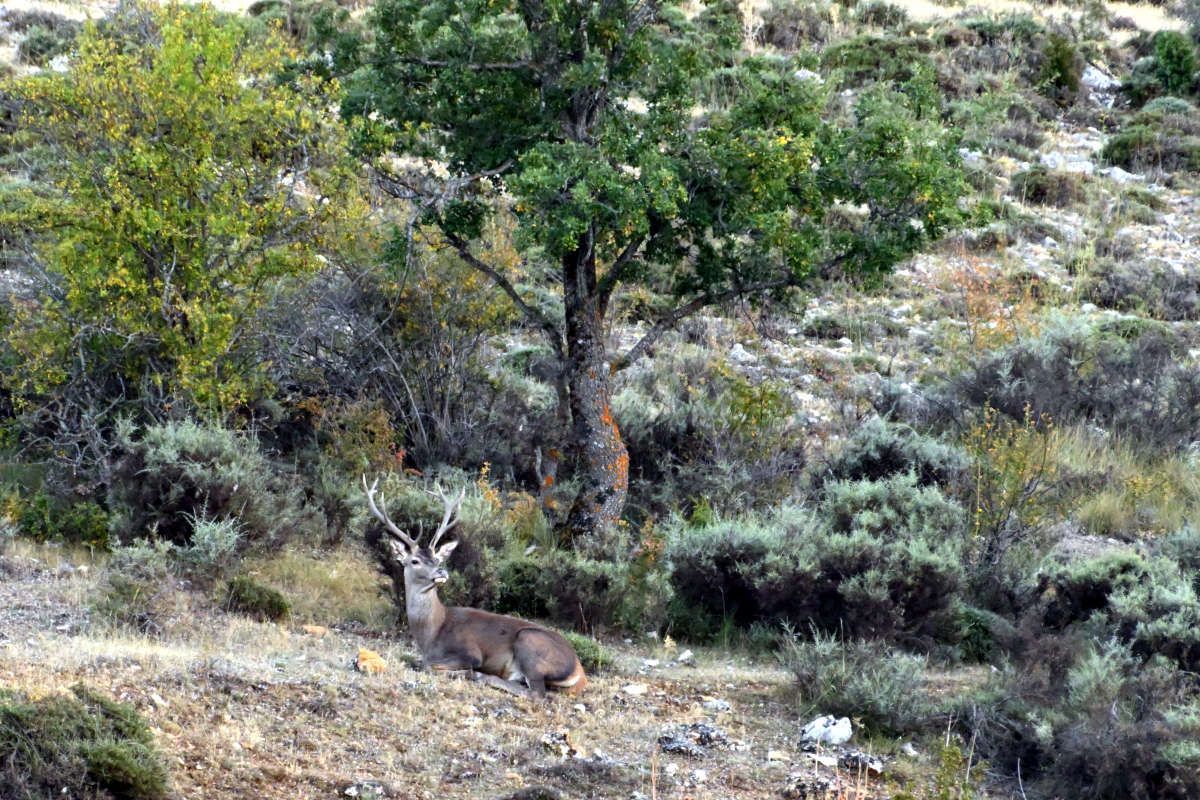
Deer, also known as deer In some regions, they are the largest and most widely distributed group of these ungulates. Some of their most distinctive characteristics include:
Deer are highly social animals, often living in groups that can number up to several hundred, always led by a female. During the mating season, males fight each other and emit a characteristic bellow to attract females.
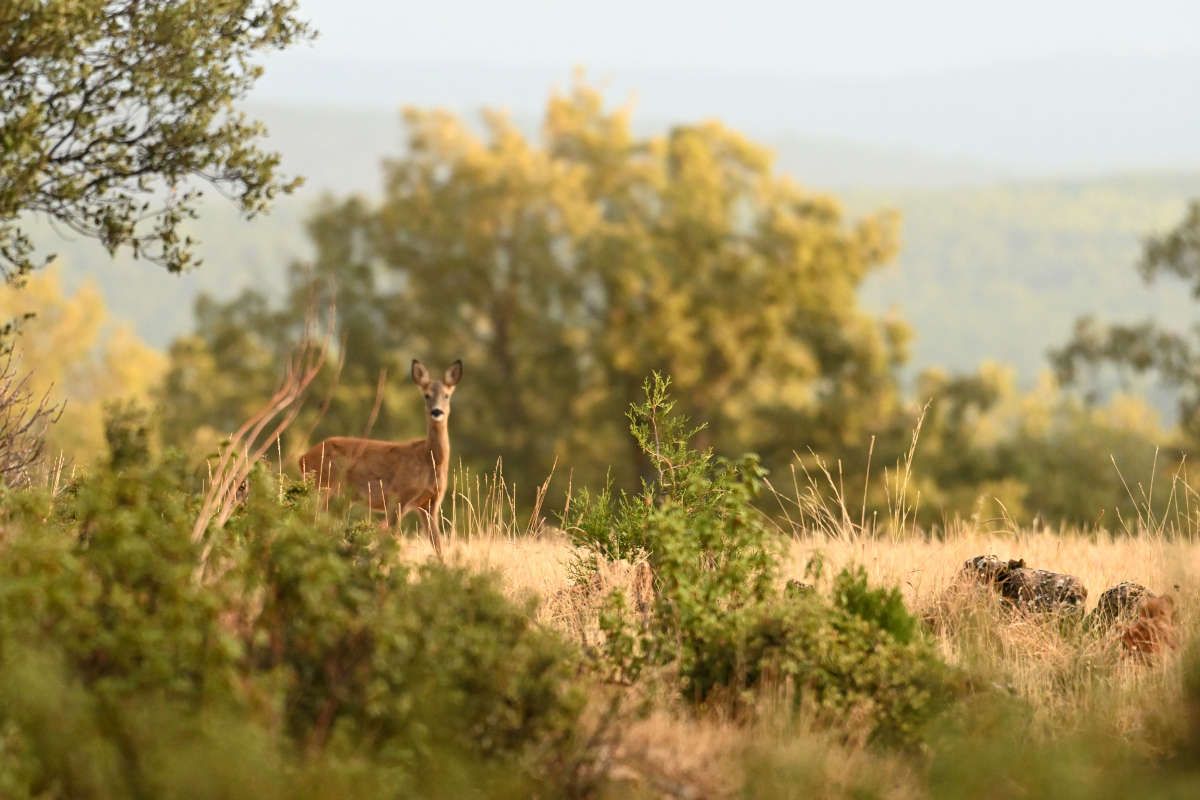
Roe deer are smaller and more delicate ungulates compared to deer. Some of their notable characteristics include:
Roe deer tend to be more solitary and shy than stags. They're often seen at dawn or dusk, and they prefer to form small family groups rather than large groups like deer. Another characteristic that makes them recognizable in the forest, at least audibly, is that they emit a kind of low bark when they're nervous or hear us coming.

Personally, this is the species I know the least about. I haven't had the pleasure of dedicating a photo book to them yet, but I can tell you that theyFallow deer are elegant herbivores that stand out for their unique appearance. Some of their most notable characteristics include:
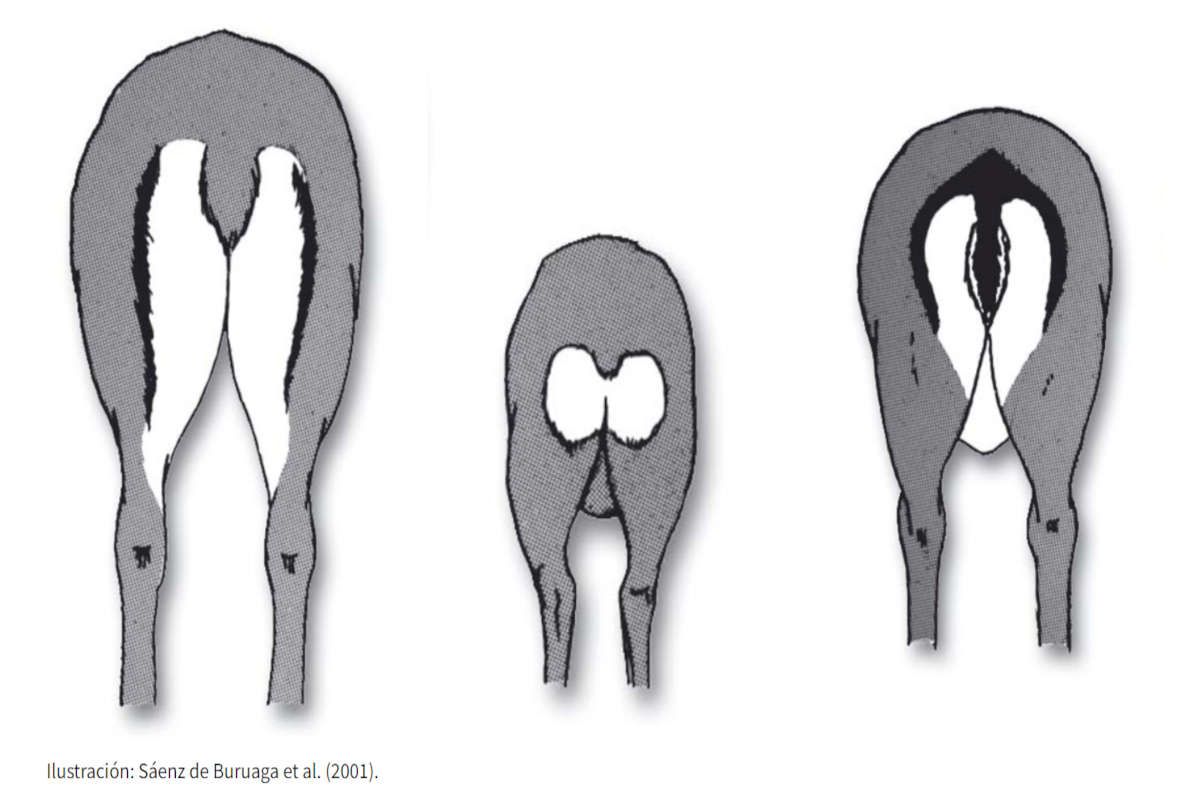
One way to identify these three species is by looking at their tails, as they are very different, as this schematic drawing shows. The first is the tail typically found on deer. The second, much smaller, is that of roe deer, and the third is that of fallow deer.
Finally, a word of advice for sailors. If we ever travel to forests or mountains of a certain elevation, we may encounter a fourth species of ungulates in addition to these three: the mountain goat. In This article We already talked about them, and sometimes, especially if we see them from a distance, we can confuse them with roe deer or deer.

Friends, The physical and morphological differences between deer, roe deer, and fallow deer are essential to identifying and understanding these fascinating species. Each has its own unique charm and plays a crucial role in the ecosystems they inhabit. The next time you venture into a forest, keep an eye out to see if you can identify these majestic ungulates and appreciate their unique characteristics.
If you want to know a little more about the deer I've encountered during the rutting season, don't miss this video from the YouTube channel:
https://www.youtube.com/watch?v=NKldJJqxEQw&t=50s
See you next time 🙂