Hello guys,
The weekend is approaching and it's the perfect time to head out to the nearest forest and experiment with our photography equipment. Fotogario We love to do new experiments, and this time I suggest you go out into the forest looking for landscapes with a telephoto lens short, do you feel like experimenting?
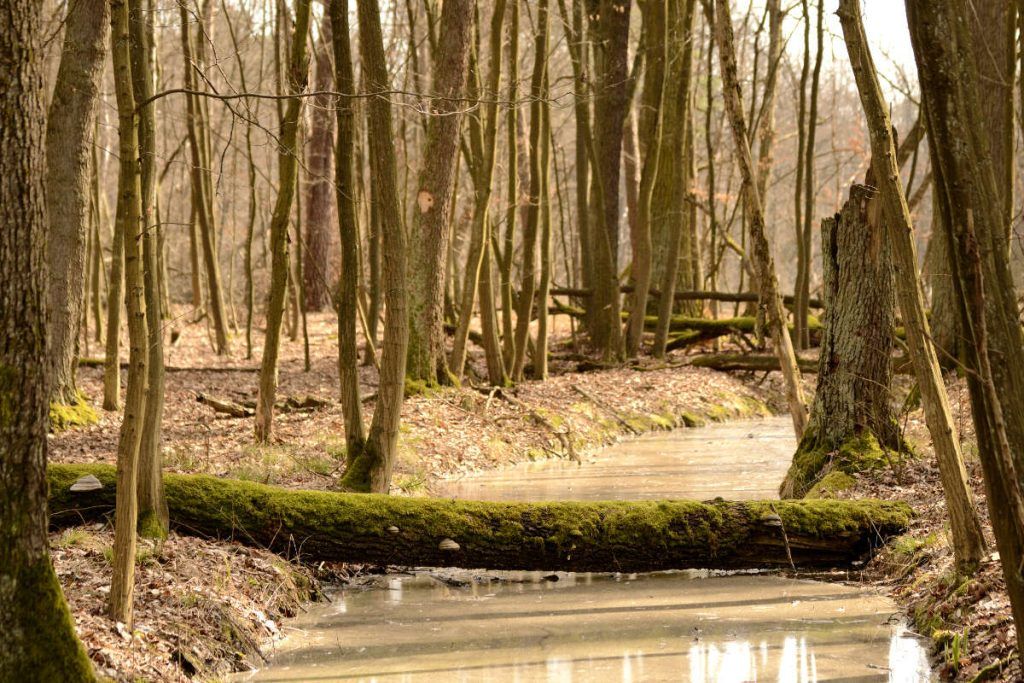
When we think of landscape photography, we always imagine wide-open spaces, mountains, and photographs taken with wide-angle lenses. To be honest, the 80% in my landscape photographs were taken with a wide-angle lens, but there are 20%s that were taken with a short telephoto lens. Why is that?
There are several times when using a short telephoto lens will allow us to obtain more impressive images. Large telephoto lenses are used in wildlife photography or sports journalism, and have the advantage (or disadvantage) of flatten the image, that is, to provide a very shallow depth of field. This allows us to isolate the subject we want to highlight in our image and compress all the focal planes in front of and behind that subject, blurring the background and reducing the importance of everything other than the subject. subject in focus.
The short telephoto lenses (between 70 mm and 300 mm) do not compress the image as much as a large telephoto lens and allow for greater depths of field, which is why they are used in various disciplines, from portraiture to landscape.
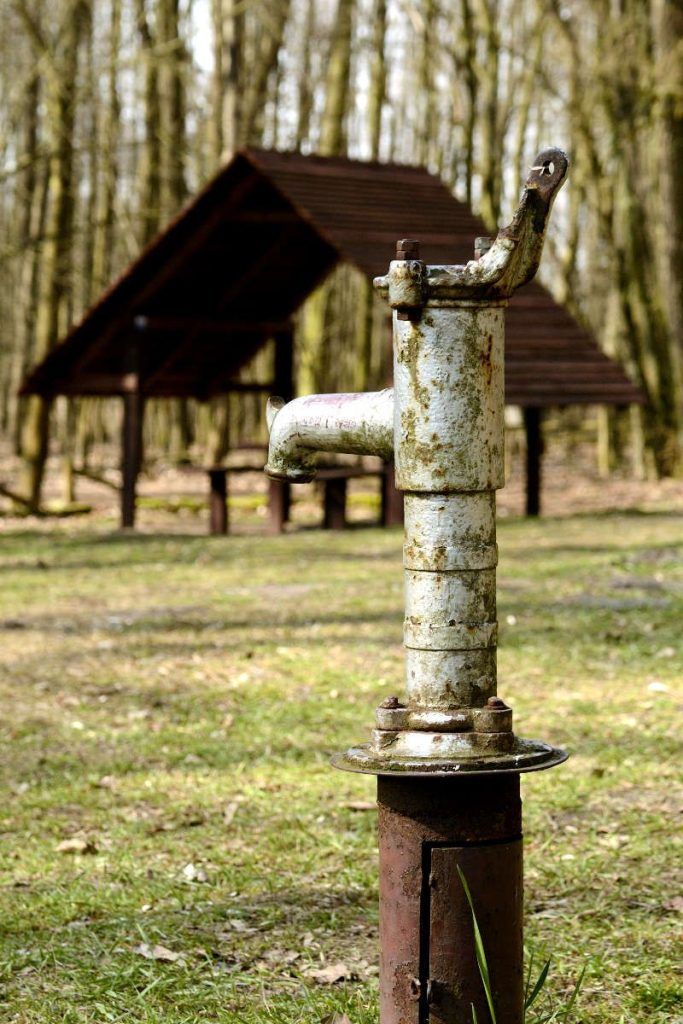
 In the case of landscape and nature photography, we can use one of these telezoom lenses when we want to isolate and highlight a subject from the background. For example, in the image on the left, we wanted to give more emphasis to the fountain (in the foreground) than to the picnic area we see behind it. We could have taken this photograph with a wide-angle lens, so we could see the entire meadow, the fountain, the trees in the background, etc. But in that case, I felt the fountain should have much more prominence. That's why I used the telephoto lens and chose an appropriate frame in which the fountain would be in the foreground. The low depth of field It provides us with a background that is sufficiently blurred so as not to distract the view from the main object, the source.
This is an extreme example of the shallow depth of field that a short telephoto lens allows us to achieve if we use the appropriate framing. In a forest surrounded by trees, bushes, and undergrowth, it allowed us to isolate one of the fungi that feed on the tree trunk without being distracted by the rest of the information. The background has completely blurred, and we can't tell what's behind that tree.
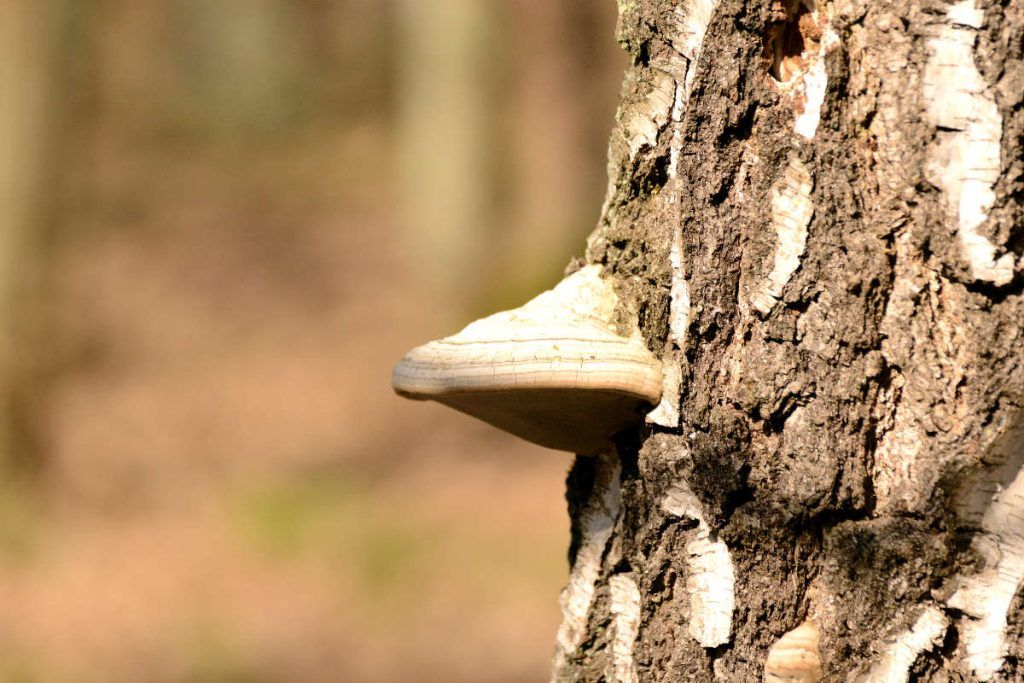
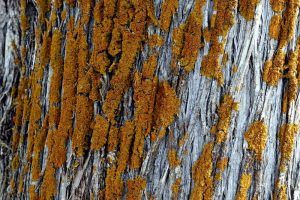 A good frame and a telephoto lens can turn a landscape photograph into an abstraction, a photographic discipline that allows us to take certain artistic liberties and even focus on the texture of an image, something we'll discuss at length in another article.
In short, if we want to capture the grandeur of a breathtaking landscape with our camera, we'll use a wide-angle lens. Landscape photographers never leave home without a wide-angle lens in their backpack. But experimenting with a telephoto lens in front of a landscape from time to time can be a pleasant surprise and provide some very interesting photographs as well.
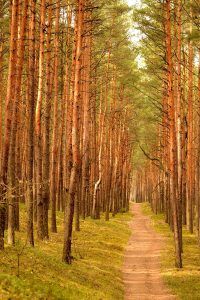 The answer to this question is simple: whenever you wantIn photography, as in any other artistic discipline, there are no exact mathematical formulas or simple answers. Use a telephoto lens in landscapes when you want to isolate a subject from the background, just as sports or wildlife photographers do. Use a telephoto lens when you want to play and experiment with depth of field. Use a telephoto lens, after all, when you want to give your landscape photographs a different touch. I personally love photographing all the forest paths, routes, and hiking trails I walk along, as in this case. The symmetry of the young trees that frame one of my favorite trails in the Kampinos National Park.
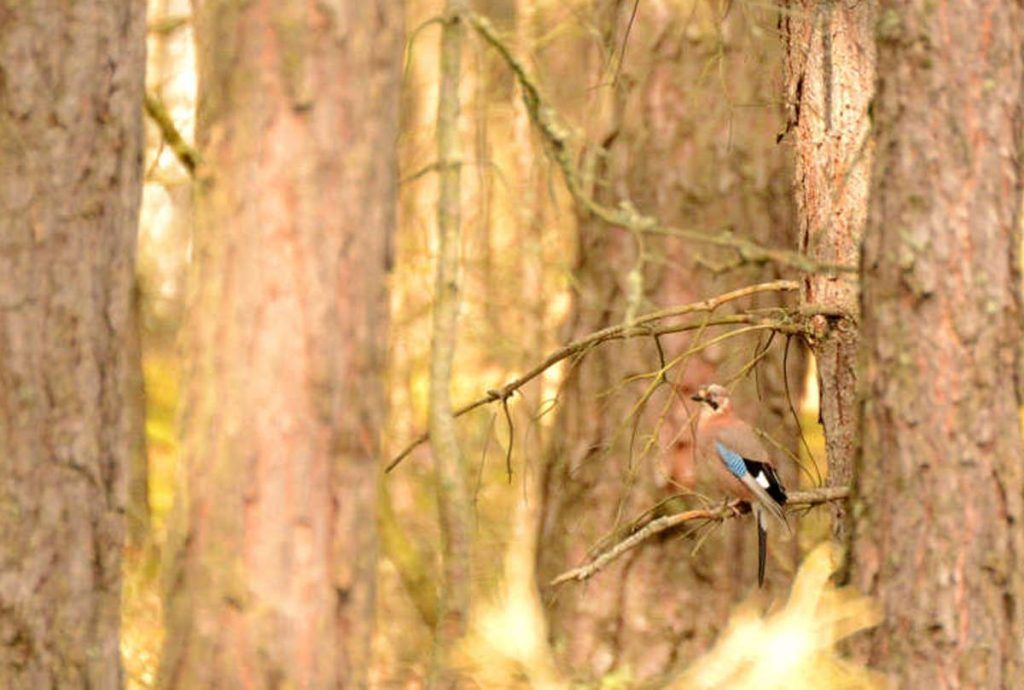
And of course, if we're talking about nature photography and telephoto lenses, I can't forget one of my greatest hobbies: wildlife photography. A telephoto lens, even a short focal length one like my 70-300mm, is a fantastic companion for getting up close to the local wildlife, in this case, in Kampinos Park. Here are two examples of two of the park's most elusive inhabitants: the jay (above) and the woodpecker (below).

Friends, it looks like the weekend will be full of sunshine and decent temperatures, so let's take advantage of the arrival of spring to head out to the nearest forest and experiment with a telephoto lens. The results are sure to surprise us.
Happy weekend!