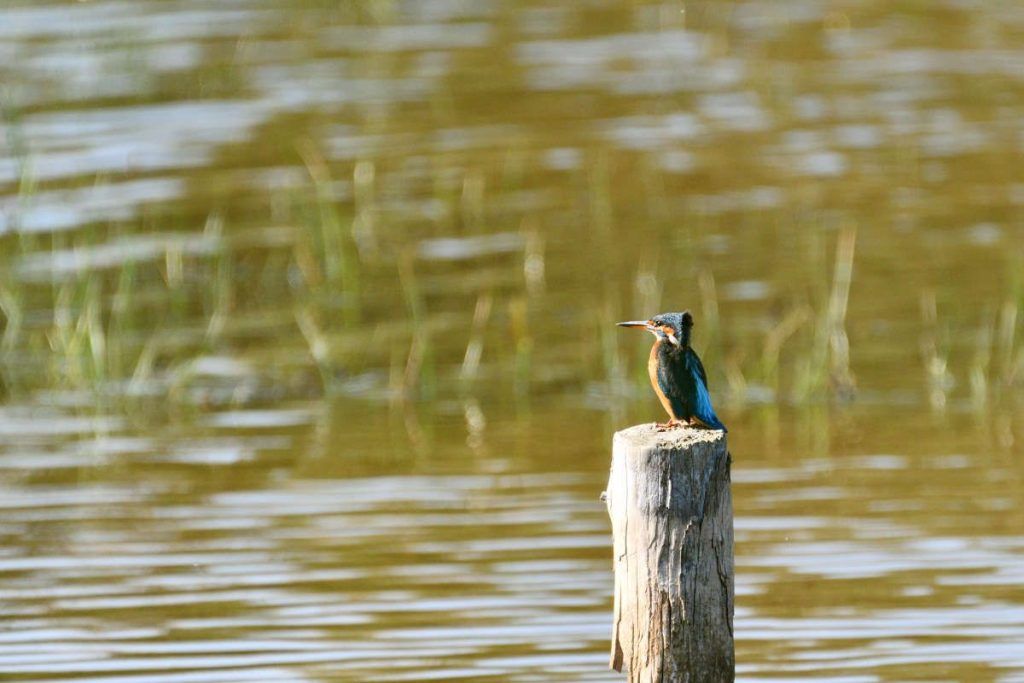
A small but striking bird I've been tracking for three years. This is the true story of this photograph. Kingfisher It's characterized by being a very fast bird and difficult to photograph. The fact that it's no longer in its natural habitat doesn't help locate it either. But finally, after three years of studying its environment and behavior, I was finally able to photograph it. Would you like to meet it?
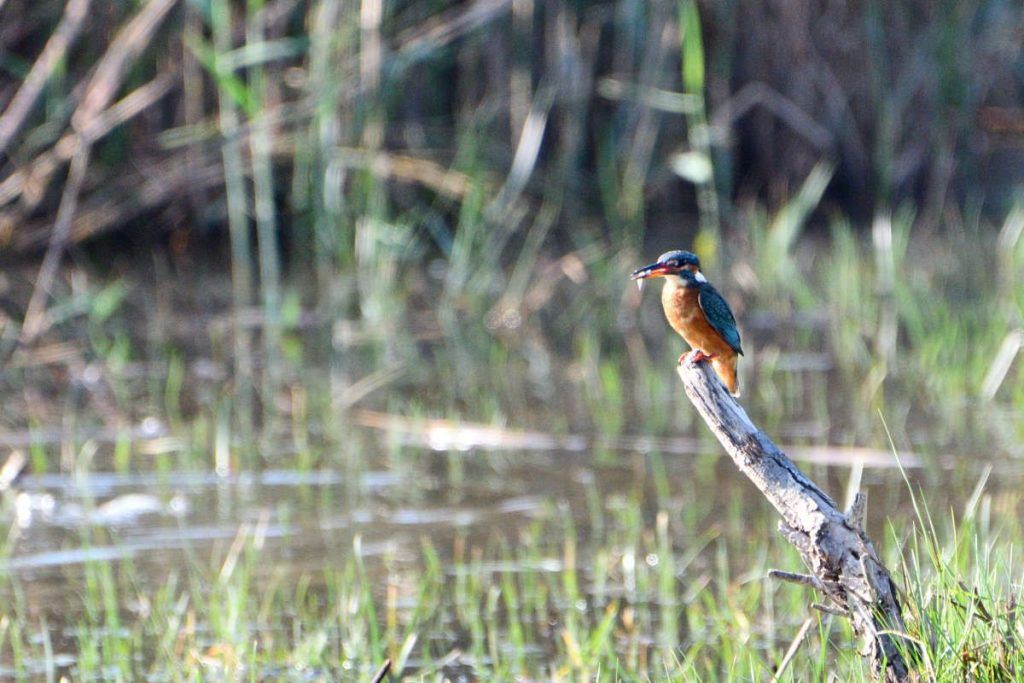
This is how the world of wildlife photography usually works. I've said it many times, and I never tire of repeating it. Photographing a wild animal isn't just about arriving at a location and shooting. You have to know the species you want to photograph, its feeding and mating habits, and its behavior when it feels observed.
Coming face to face with a small deer isn't the same as coming face to face with a brown bear. Birds tend to be much more wary of humans than most mammals. We won't find dolphins in the middle of the desert... that's a given. If we want to photograph a specific species, we have to research it first.
Having said all of the above, we mustn't forget that when we go on a photography excursion, we can't fully plan what we'll find or what will happen. And that's precisely what happened to me the other day when I went for a short walk through the protected areas of the Llobregat Delta.
It's funny... sometimes you carefully prepare and plan a 5-day photography trip and you don't get the desired results.....
And other times you plan a couple of hours of hiking and come home with photos of a species you had never been able to photograph before. (Published in Facebook)
I knew that in the Delta area some specimens of the KingfisherI'd even seen one flying over the river out of the corner of my eye. But photographing one was a different story. They're very small and elusive birds, very fast in flight.
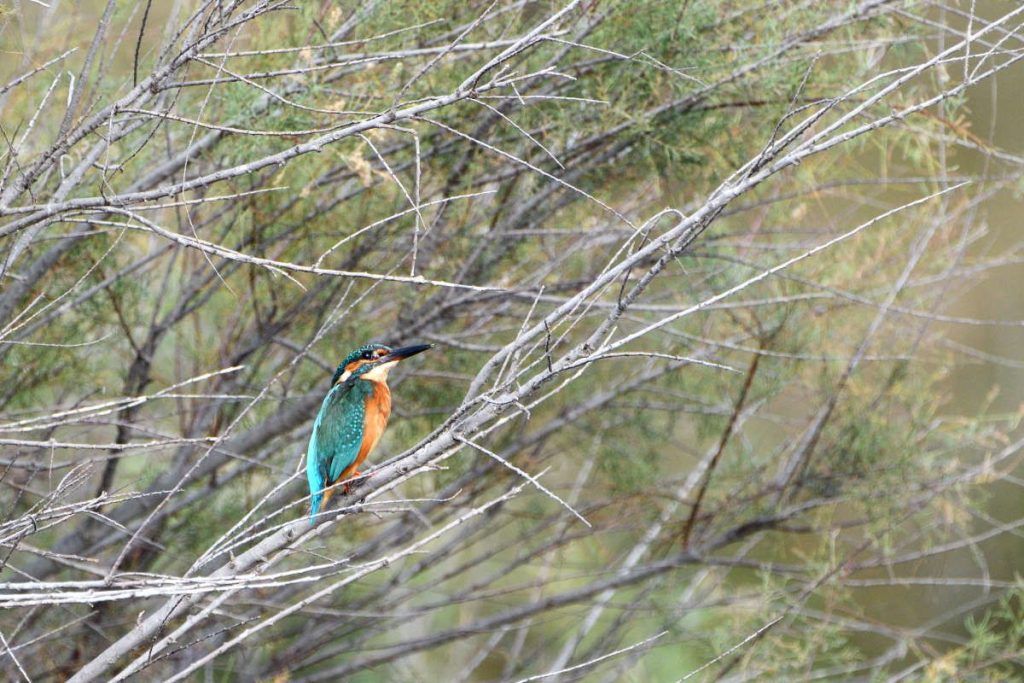
Several weeks ago, while photographing a Common Goshawk and several flamingos In the Delta, I saw out of the corner of my eye like a Kingfisher It was perched just 3 meters away from me in a bush. I couldn't believe it; it was right next to me, I could almost touch it with my fingertips. All I had to do was turn 60 degrees, zoom in a little on my Tamron 150-600 mm and focus.... I almost had it.... but it flew.
This didn't discourage me. On the contrary. I had located a very interesting perch. I watched the bird fly over the bush and the perch several times throughout the morning. I had finally located a spot where I could photograph a kingfisher if I planned everything right!
And that's what I did. Last week I returned to the same area of the Llobregat Delta, determined to photograph a KingfisherI wouldn't go home without a photo of this beautiful bird. I knew where I could find it, I knew I'd have to be alert and quick. But I wouldn't go home without that photo.
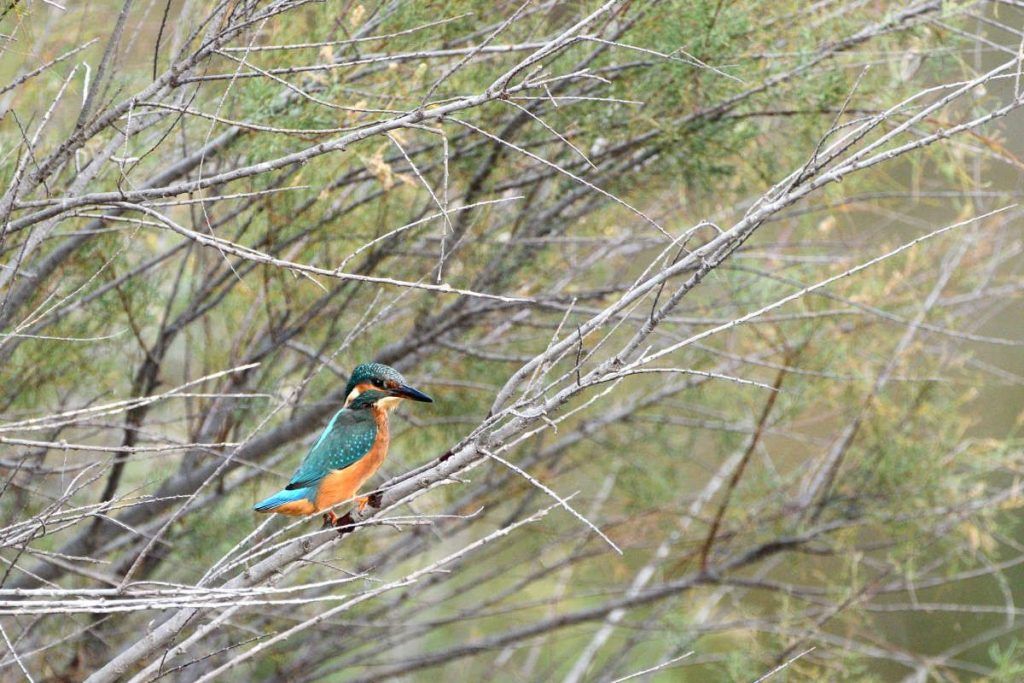
He had done his homework. Kingfisher It is a small bird, with a wingspan of less than 30 cm, characterized by its striking blue and orange hues. It is a very fast bird that usually flies over rivers and freshwater areas at low altitudes in search of food, mainly fish and small worms.
His habitat is precisely the decisive factor in this whole story. The kingfisher needs fresh waters clear, clean and with enough food. Along with these freshwater areas, it is necessary to have bushes and low scrub, the natural perch of the species, from which it will survey the waters before swooping down to hunt. Finally, the kingfisher builds its nests in sandy slopes close to the rivers and lagoons where they feed.
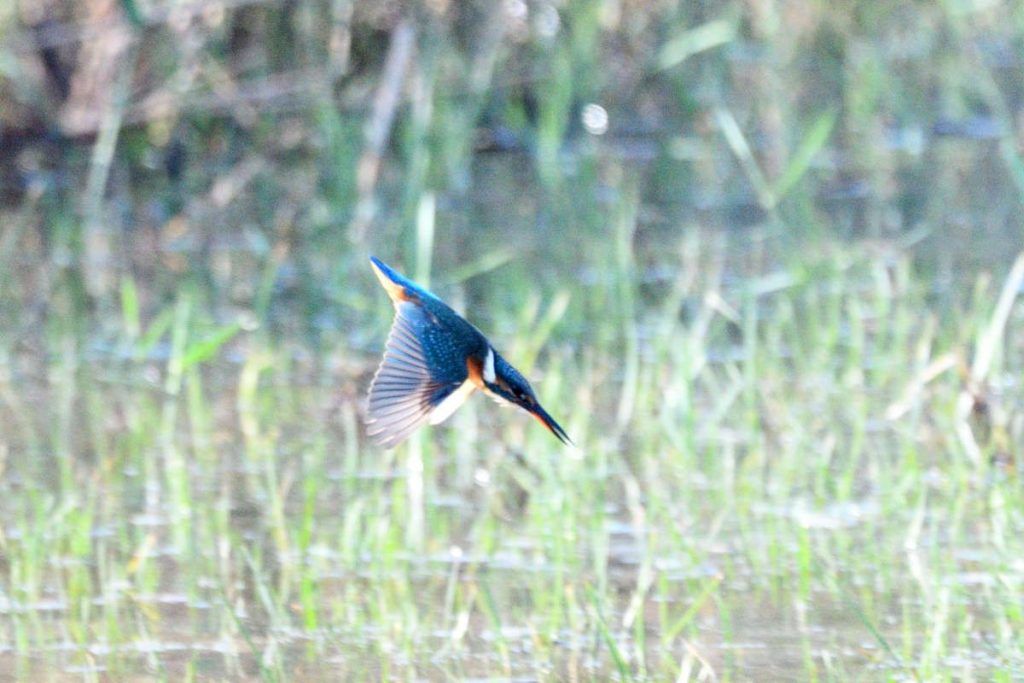 In short: it needs an abundance of clean, fresh water, free of contaminants, and sufficient food. These areas should be surrounded by sandy slopes and sufficient shrubs and foliage to provide a vantage point from which to hunt and fish. Have you seen many areas like this on the peninsula? It's true... fewer and fewer. That's why it's so difficult to see (and photograph) this species.
...and I left happy with my photos. After catching a small fish and devouring it while perched on his vantage point, he gave us a few minutes to the photographers stationed at one of the Delta's observatories. Just enough time for us to go crazy shooting in bursts. It looked like a machine gun nest in full swing 😉
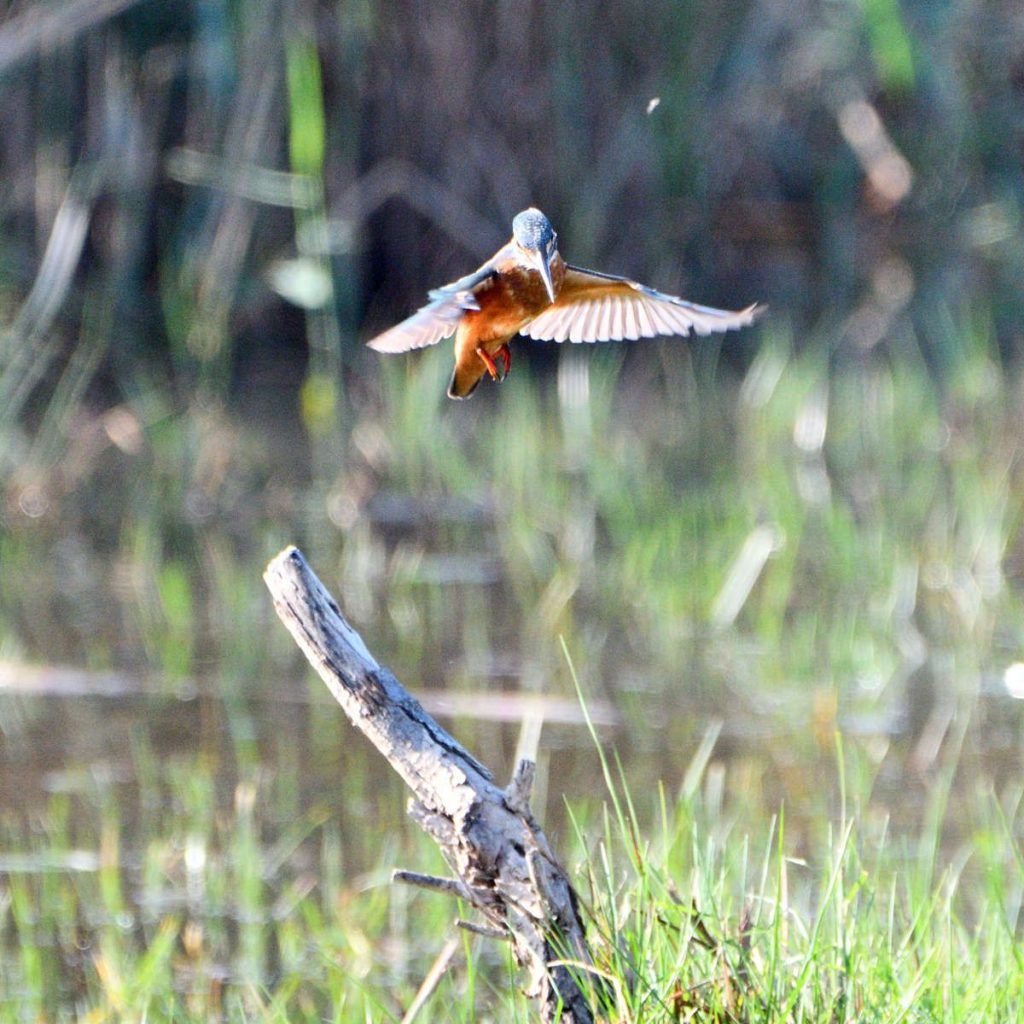
The experience was undoubtedly one of the best I've ever had. I knew there was a kingfisher in the area, I knew the most likely place to see and photograph it, but even so, I wasn't sure I'd get a decent photo. You can't plan everything, right?!
The fact is, I'm very happy. Not only for photographing a species I've been pursuing for three years. But because after so many years photographing wild animals, we can sometimes feel like we've done it all, that there's nothing new, that photographing a bird is like photographing other birds and mammals we've already photographed...
Nothing could be further from the truth. Every time we find a species we haven't photographed before, it excites and delights us. It encourages us to keep searching for new ones. And the joy is even greater when it's an animal like the kingfisher, swift, beautiful, and very difficult to see, because we are destroying its natural habitats every time we divert a river or build on its banks.
Friends, let's not lose hope. With a little effort, we can care for and protect the natural spaces and habitats of the animals around us. We must keep working.
Greetings from Fotogario.