Hello friends,
Surely, when you see a spectacular image of wildlife, you've asked yourself, "How did they get this shot?" Elephants charging, cheetahs sprinting, the teeth of a great white shark two centimeters from the photographer... How are these types of photographs taken?
 I'm also convinced that if you like these types of images, you've tried at some point to emulate your favorite photographers, although the result may not be what you expected. Photos that are too dark, blurry... why?
Don't get frustrated. Wildlife photography is one of the most demanding disciplines. In this case, we can't tell our model to repeat the pose. Most of the time, we also don't control the lighting conditions around us, and of course, we aim to photograph wild animals whose behavior is difficult to predict.
Getting a good photo of a wild animal requires a great deal of knowledge of the species we're photographing. Knowing their habits and anticipating their movements is essential, but the technical equipment we use also plays a role, as does knowing how to operate it and change shooting parameters at high speed. Of course, luck plays a huge role in this type of photography. Would you like to know what my favorites are? 3 essential concepts in wildlife photography?
This is the first fundamental concept for me. Before photographing an animal, learn about its habits and behavior in the wild. Study its movements and investigate whether the animal feels threatened in the presence of humans or if it might become aggressive and attack.
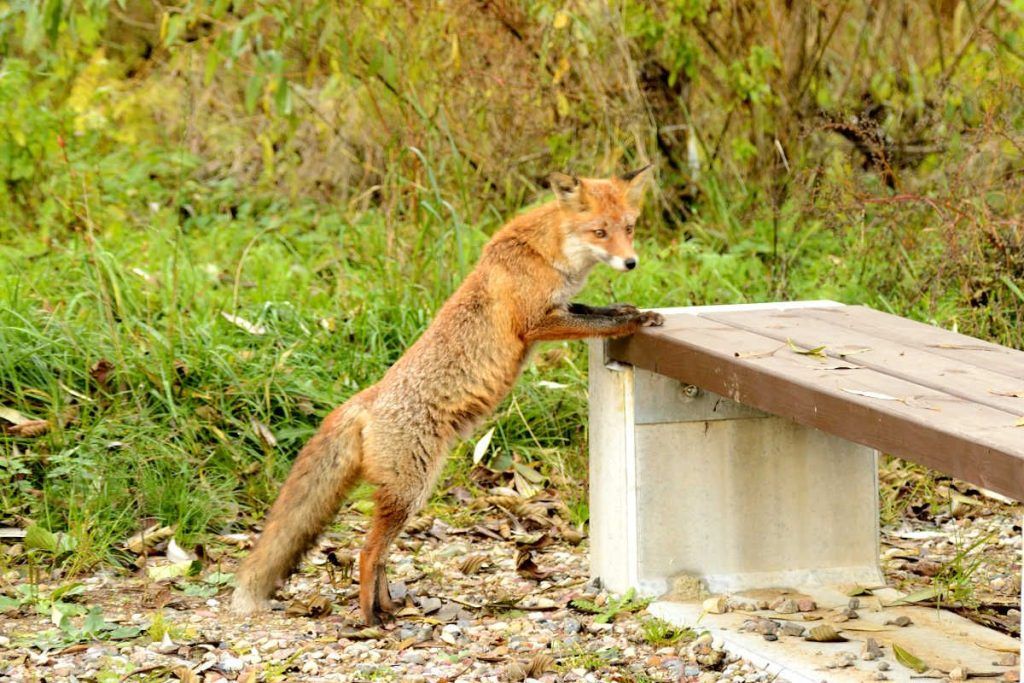
And above all, leave some free space on your hard drive for the surprise. We never know how a wild animal might react in our presence. In our trip to Biebrza National Park We met this little fox who posed for our camera and gave us a complete photobook with images as peculiar as this one.
I'm not going to lie to you about this. To photograph wildlife we need a zoom lens as fast as possible. bright possible. When we talk about bright lenses, we're referring to lenses that allow us to reach high apertures.
The basic lenses sold with kits usually have f/5.6 aperture values, which is the most common. Of course, there are lenses on the market with lower f/1.5 values. But if we try to combine a long focal length (so-called zoom or telephoto lenses) with a high aperture, prices can skyrocket.
So let's talk about "must-haves." My concept of essential In wildlife photography it would be a zoom with a minimum focal length of 200 mm and a minimum opening of f/4If you have followed this blog you will know that I usually use a 70 - 300 mm zoom with a minimum aperture of f/4, as I already described in this article.
Of course, there are telephoto lenses from f/2.8 up to 400mm, it all depends on what we want (and can afford). We also have other options, such as focal multipliers. In this article I remind you of my experience with one of these multipliers.
As a postscript to this section, we'll add that we'll get better photos if the lens is stabilized. If it isn't, we can always use a monopod, a lightweight tripod, or risk shooting handheld.
Why should telephoto lenses be fast? We find out with the third essential.
When setting camera parameters, we have to keep in mind that wildlife photography is, broadly speaking, similar to sports photography. Long focal lengths and moving subjects. Of course, we'll encounter scenes where the animal is still, but most of the shots will be of subjects moving at high speed.
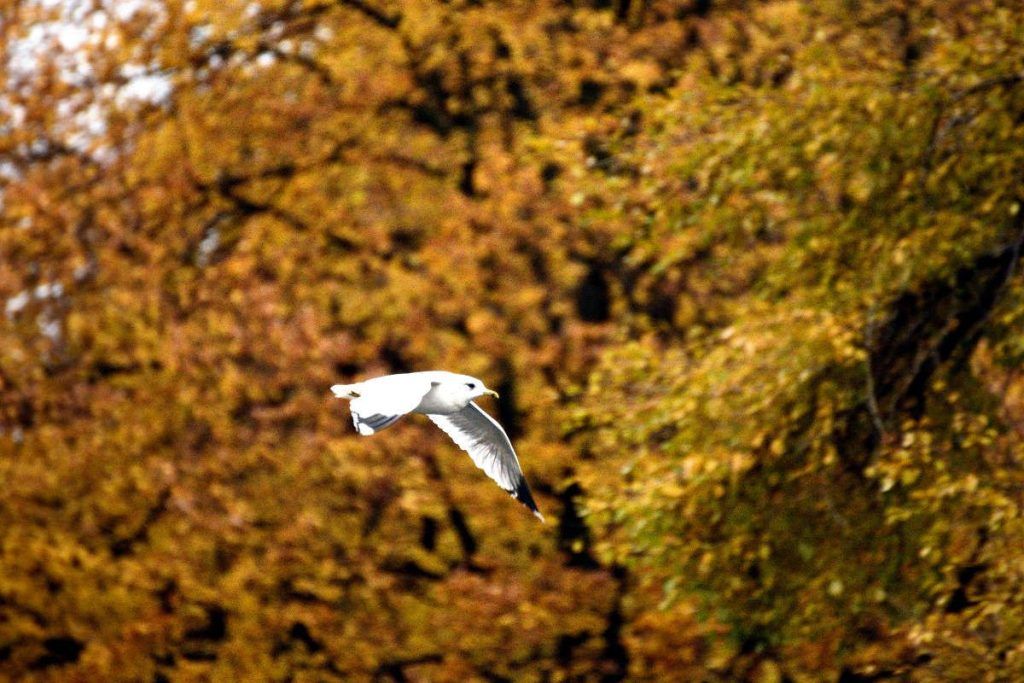
It would be advisable to use a latest generation camera, fast in focusing, fast in storing the RAW, silent, etc. Good sensitivity at high ISOs is another of the features desirable.
But what is desirable isn't always possible, and not all of us have the latest camera on the market. That's why a fast lens becomes the ideal companion. The greater the aperture, the greater the possibility of using high shutter speeds, necessary to clearly capture the animal's movement. Do you remember the famous exposure triangle?
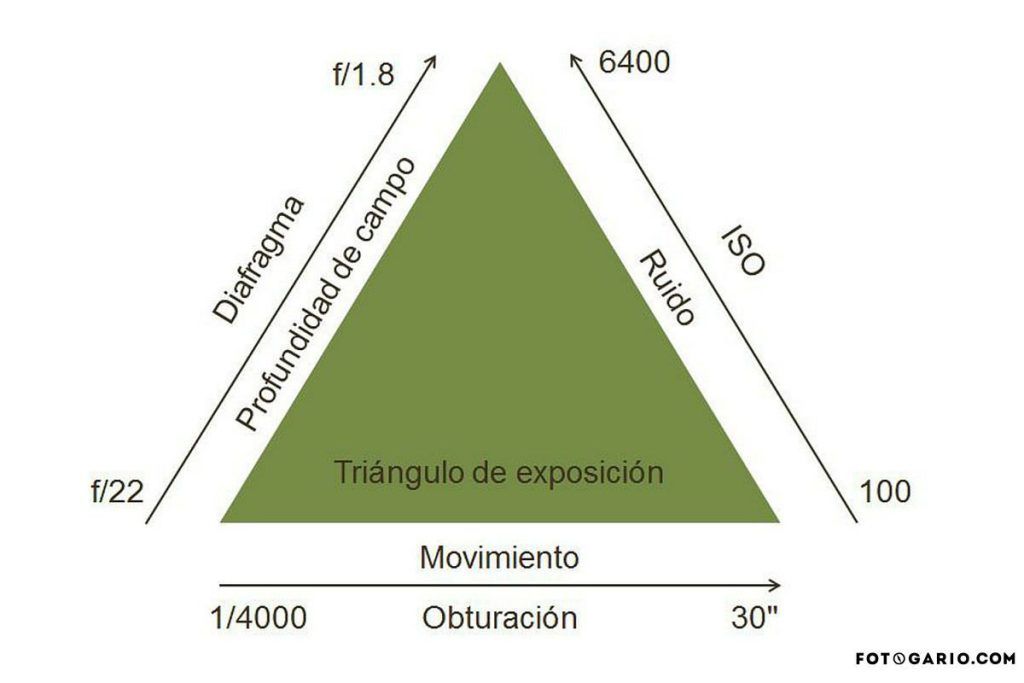
So how do we set the parameters for this type of photography? There are no fixed rules, but I can give you some tips:
In wildlife photography, as in other disciplines, equipment determines our capabilities, but it doesn't completely determine them. If you want to get great images, these three essential concepts are a good starting point.
First and foremost, get to know the species you want to photograph before heading out into the open. Second, get a fast zoom lens (if possible, stabilized). With a focal length of 200mm and an aperture of f/4, you can already get great photos of some species. And finally, spend a few hours getting to know your camera thoroughly and mastering the concept of the exposure triangle. Knowing that what we'll most likely want is to freeze the animal's movement by shooting at high speeds.
Friends, a big hug and a happy new month.