Hello friends,
In this article, I don't intend to teach anything new about wildlife photography. Nor do I intend to explain any techniques to improve your landscape photos. No. This article is a bit more personal. For three years, Poland has been my place of residence. For three years, I have dedicated a large part of my free (and not so free) time to the discovery, study, and dissemination of wildlife photography. Polish fauna. This article is a THANK YOU huge for these 3 fantastic years.
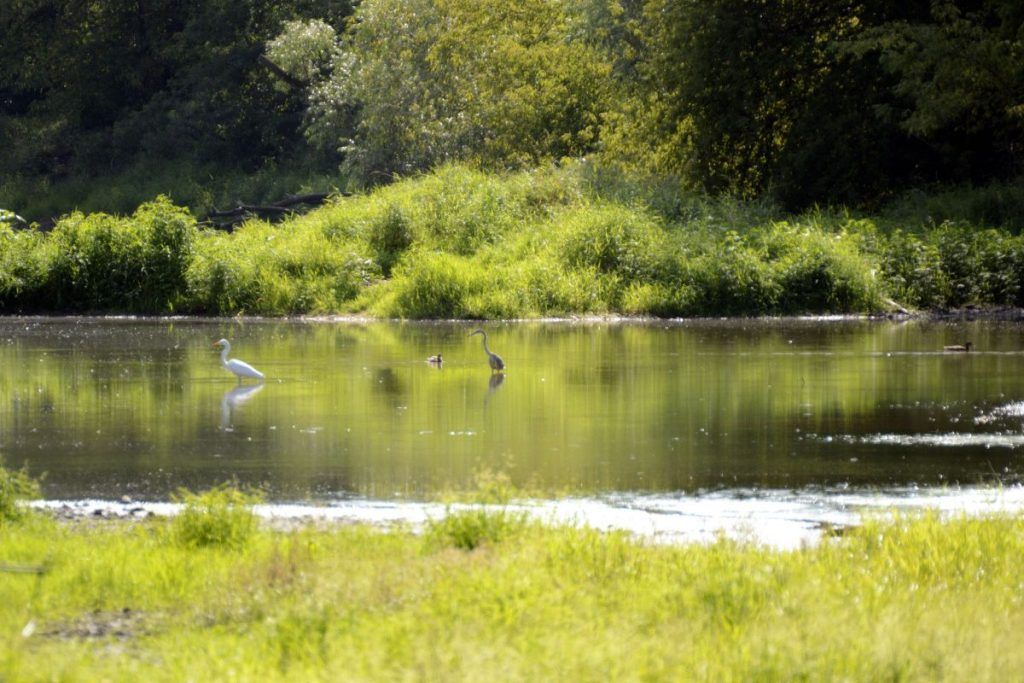
I know that some of the regular readers of Fotogario You already know the latest news, but for all those who don't know yet: Fotogario has moved to the Iberian Peninsula! After 3 years in Poland, I'm changing locations to continue exploring and photographing the wildlife that surrounds us.
That has always been one of the driving forces of FotogarioTravel and explore different natural parks throughout Europe, studying and photographing the wildlife found there. Because only by understanding the animals around us, their behavior, and their habits, can we protect the natural spaces that shelter them.
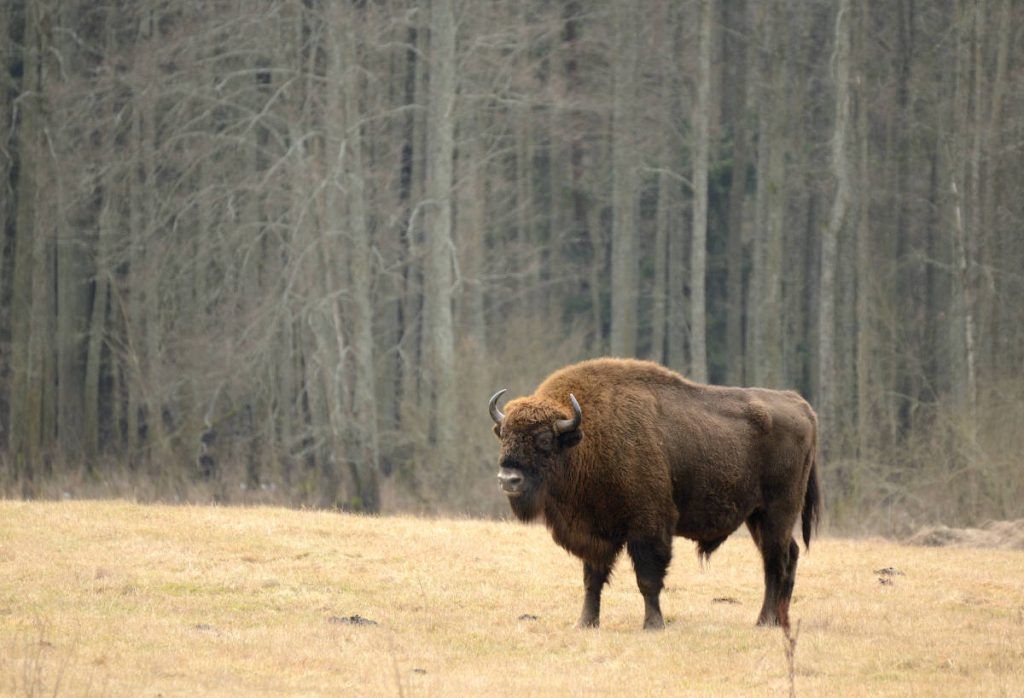
That's why this article is a huge THANK YOU for these fantastic years we've spent in Poland. We were really looking forward to seeing bison in the wild, in their natural habitat. But what we didn't expect was the sheer number of wildlife we encountered throughout our many trips to the country's national parks.
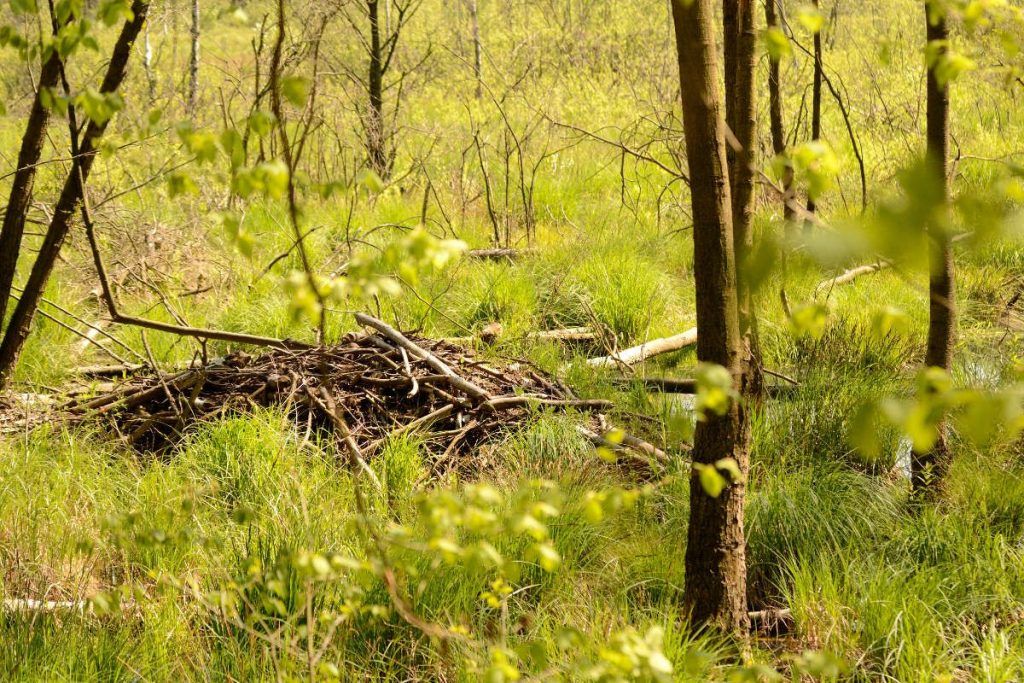
Beavers are semi-aquatic rodents that are difficult to locate because they are nocturnal. On our numerous walks through the forests of Kampinos we met one of the dykes largest we have located in Poland.
After several months of searching and studying, we have found another dam hidden in the deepest part of the forest. It seems abandoned, but we do not give up in our efforts to find these elusive animals, the beavers (Facebook).
 Are beaver dams They are built on lakes and rivers using the trees along the banks. Beavers are incredibly efficient at felling large trees in record time to build their homes. Dams transform fast-flowing rivers into small, tranquil ponds where amphibians and aquatic reptiles settle, and which in turn attract birds and mammals.
The first time we came across a beaver dam area, we were impressed by the power and strength of these animals. Just looking around us revealed dozens of felled trees, each with their distinctive, distinctive point, as if beavers had sharpened a giant pencil.
Beavers were considered endangered in Europe in the mid-20th century. After being included in various protection programs, their numbers have grown rapidly. So much so that in some regions, they have now become a pest that threatens villages along riverbanks. Many residents of the Kampinos region have seen one of those large trees felled by beavers land on their houses and barns.
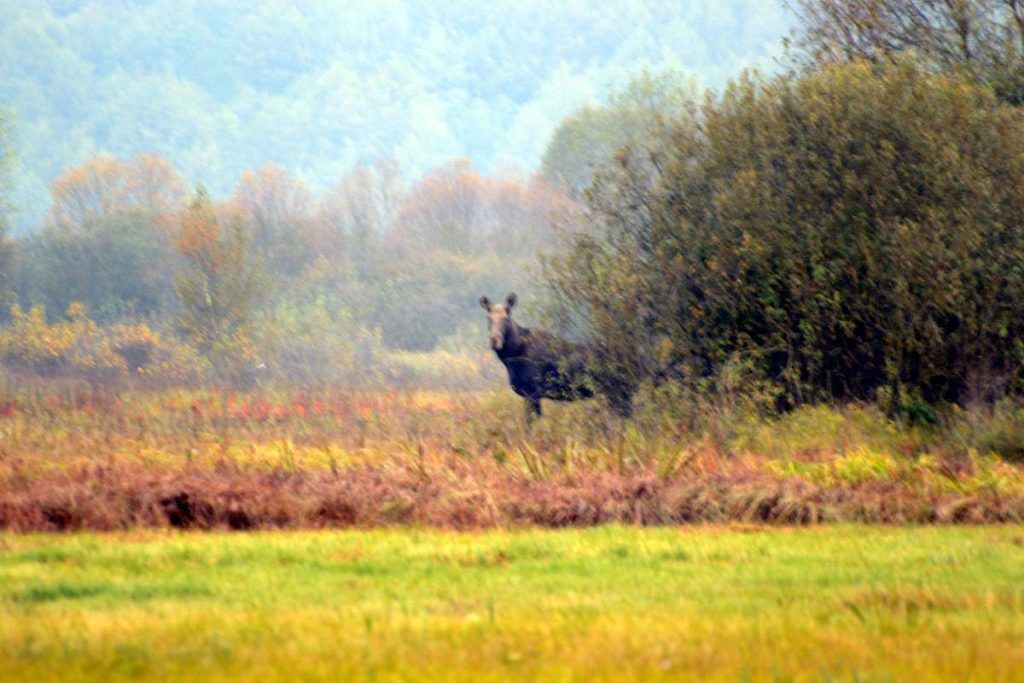
Finding moose wasn't easy. These animals are terribly shy and tend to live in the deepest, most hidden areas of the swamps. BiebrzaBut after two years of visits to this Polish national park, we finally found some of its most special inhabitants. We even got to hear the little-known moose rut on our last trip through Biebrza a few weeks ago.
We weren't expecting to find a moose at a talk about interpreting animal tracks, but by Murphy's Law we came across not just one but two young males.
(Facebook)
This whole story would have remained a perfect example of the effort and amount of time that must be invested in photographing wild animals if it weren't for the fact that our best (and closest) encounter with moose occurred by chance in the winter of 2016 while we were participating in a workshop on interpretation of fingerprints in mud and snow.
And sometimes we plan our forest outings down to the last detail, thinking we can control all the variables and factors and that with effort and patience we'll find wild animals. But we forget that luck plays a fundamental role in this type of outdoor activity.
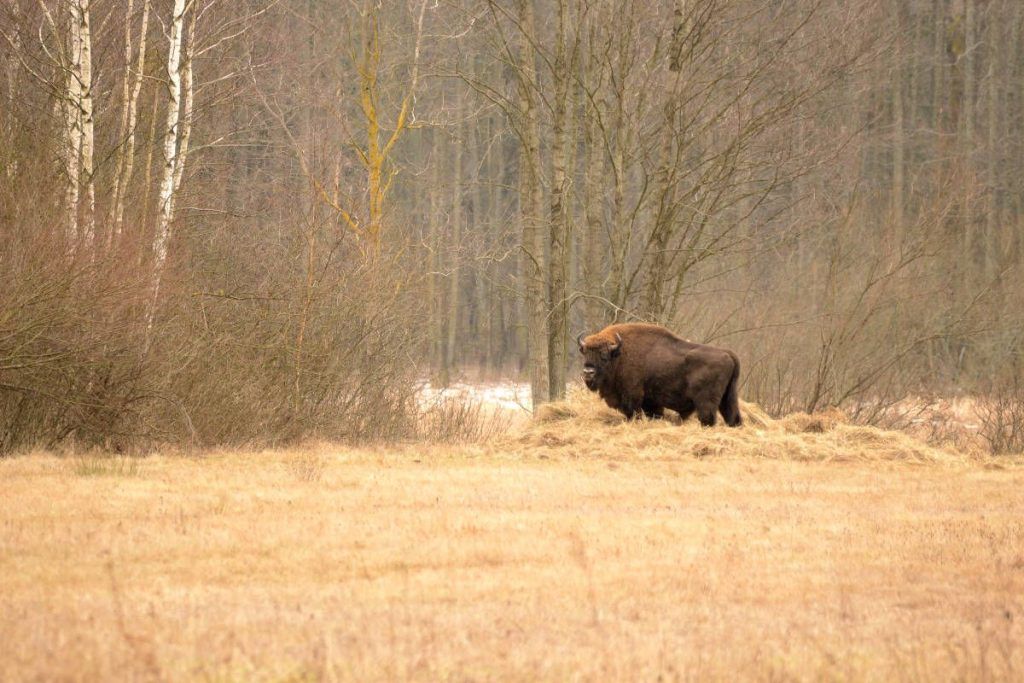
Just to see and photograph these enormous animals in the wild is worth traveling to the Bialowieza National Park, at the gates of Belarus. When we stand before a group of free-roaming bison, our minds automatically travel to those drawings made thousands of years ago in hundreds of caves and caverns across Europe.
Our ancestors invested time and effort in capturing these animals, and no others. And when we see them right in front of us, we understand why bison fascinated our ancestors and why they fascinate us as well.
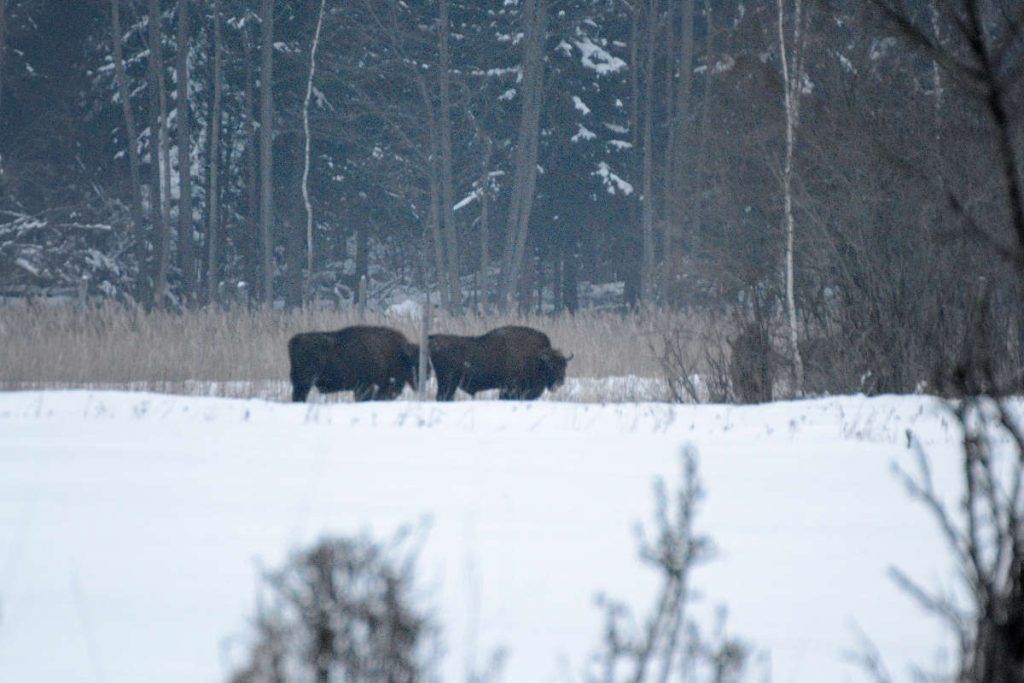
In our last trip to Bialowieza We participated in an educational workshop on wolf populations in Polish National Parks. We also took some time to search for and chase these fabulous animals.
With temperatures of -20°C and 50 cm of snow, chasing these animals seems easier than it actually is. Almost a ton of pure muscle can move through the snow as if it were nothing. But we got some fantastic images of the bison in their natural state in the middle of winter.
But only until soon. We're leaving the country, but we'll return regularly to photograph bison, elk, beavers, and many others. We'll return once again to a land of vast swamps and ancient forests. We'll return to its cold coasts teeming with seals and its rugged mountains, home to wolves and brown bears.
Fotogario He moves with the vision of continuing to move forward, of continuing to visit more European national parks, and of continuing to document and report on the nature we have right around the corner and how we can observe and protect it at the same time.
Greetings and... SEE YOU SOON, POLAND.