Hello friends,
our winter visits to the Bialowieza National Park are becoming a tradition. On this occasion Fotogario traveled to Bialowieza to take part in talks, conferences, and outdoor events related to the European wolf. But Bialowieza is world-famous for another of its inhabitants: the European bisonAnd this time we had a practical class on animal behavior and how to interpret it. Want to know more?
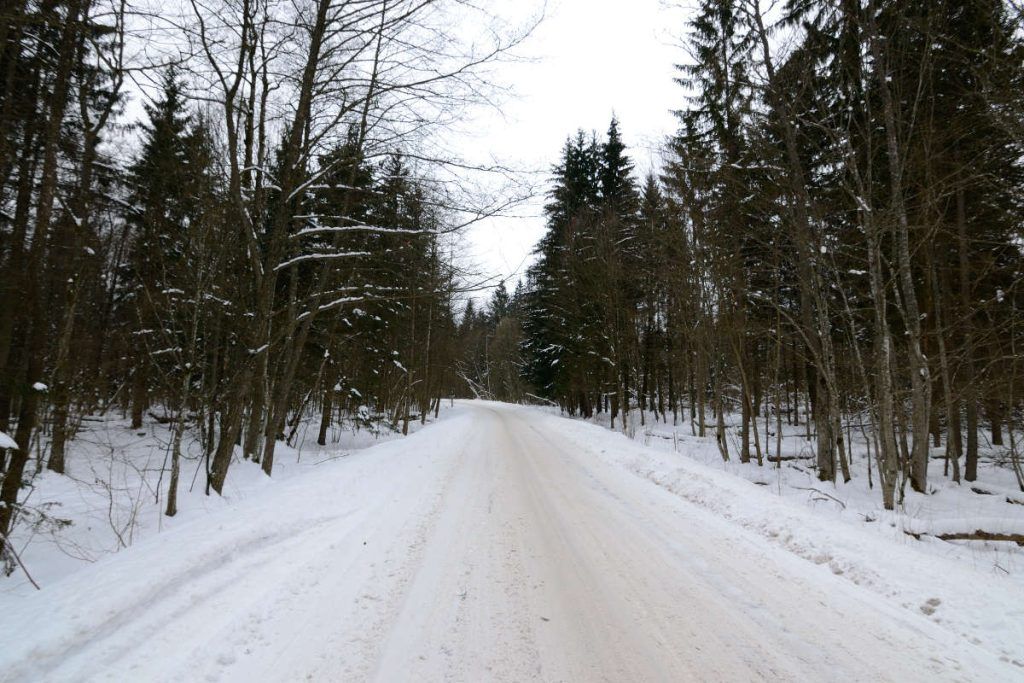
Getting to Bialowieza this time was not so easy. If our last year's visit It left us with the surprise of the last day, a light layer of snow of just a few millimeters, this year we found roads covered in snow, closed forest tracks and a forest covered by 40 cm of virgin snow.
It's true, the weather conditions this time determined much of our trip and restricted our movements. Hiking through a snow-covered forest isn't easy, especially if we're carrying our photography equipment.
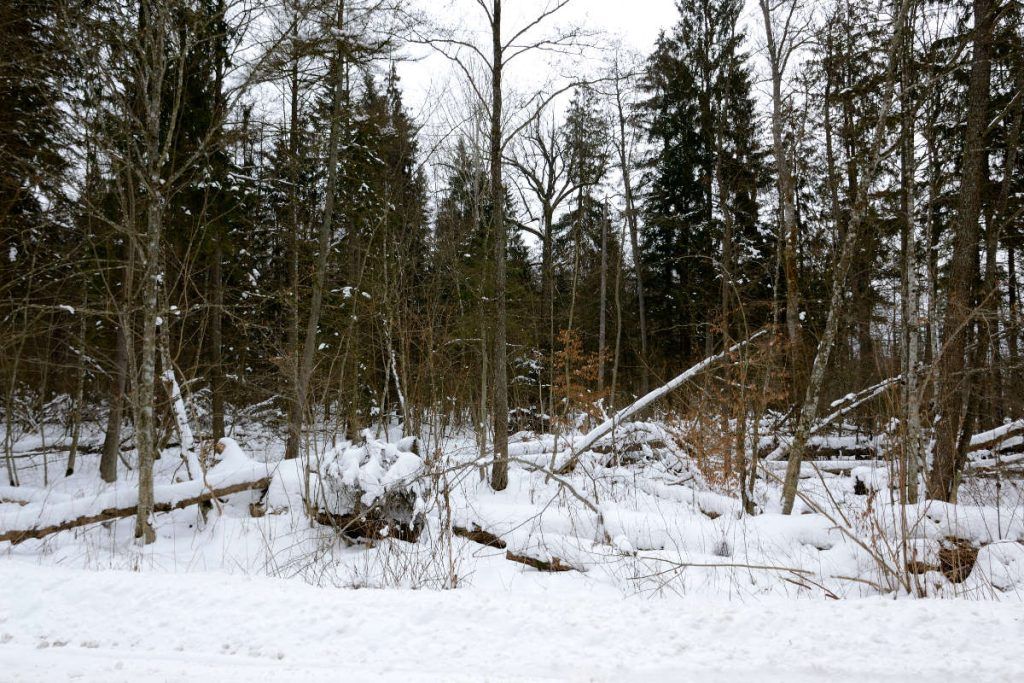 With temperatures hovering below -7°C, the most important thing is to protect ourselves before setting out on a hike. Thermal clothing, a raincoat, high hiking boots, and gloves and a hat. Nothing is dispensable on these occasions.
Our backpack also needs room for a little food and a thermos of hot drinks. We'll have to choose between carrying a heavy load or carefully choosing the minimum essential photographic equipment. In my case, a zoom lens and a duplicator for those times when I need a little more focal length.
But let's get down to business... What about the bison?
Although we're talking about animals that can weigh up to 1,000 kg, they're not easy to spot in the wild in a large forest. The idea in this case is to search for grazing areas at first light. Bison usually feed at dawn or dusk, and spend the rest of the day hidden in the deepest part of the forest.
But locating and pursuing these large animals in 40 cm of snow isn't easy. If we're lucky, we'll glimpse a slight movement, a dark shadow, out of the corner of our eye...
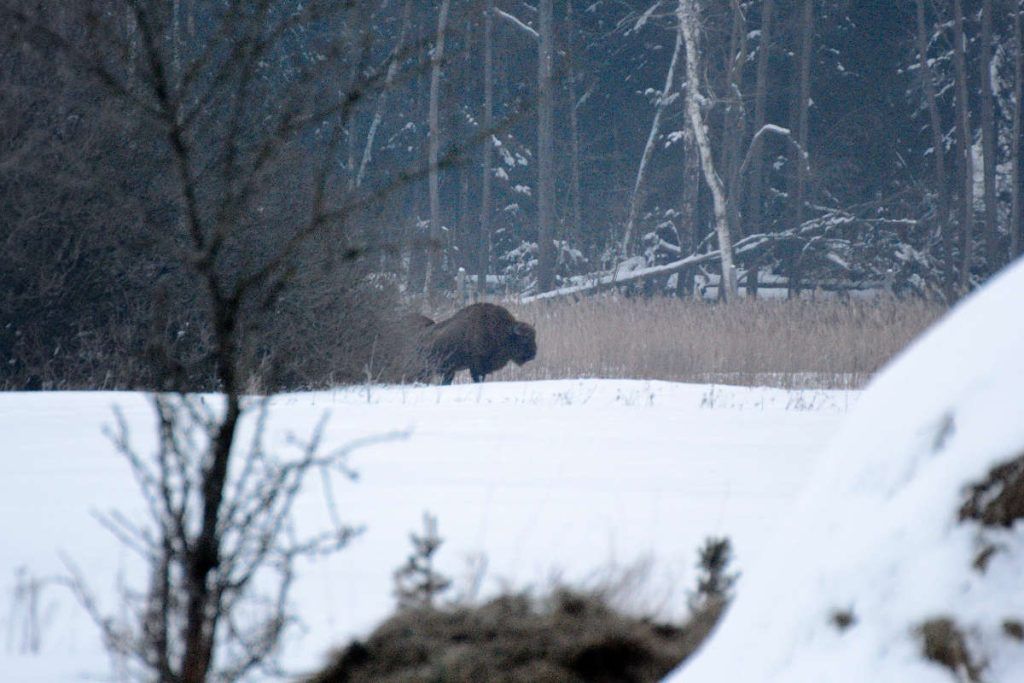 So when we finally located them, we spent some time photographing and observing them with our binoculars. Caution is our best ally at these times. Three weeks ago, a photographer was run over by a bison at the same spot where we took these two photographs.
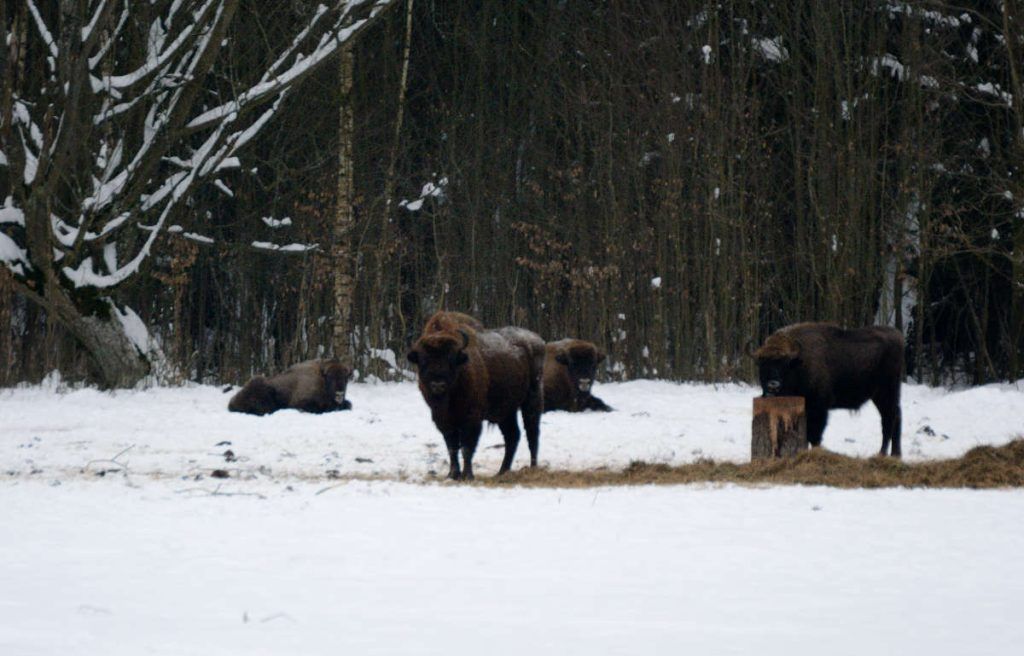
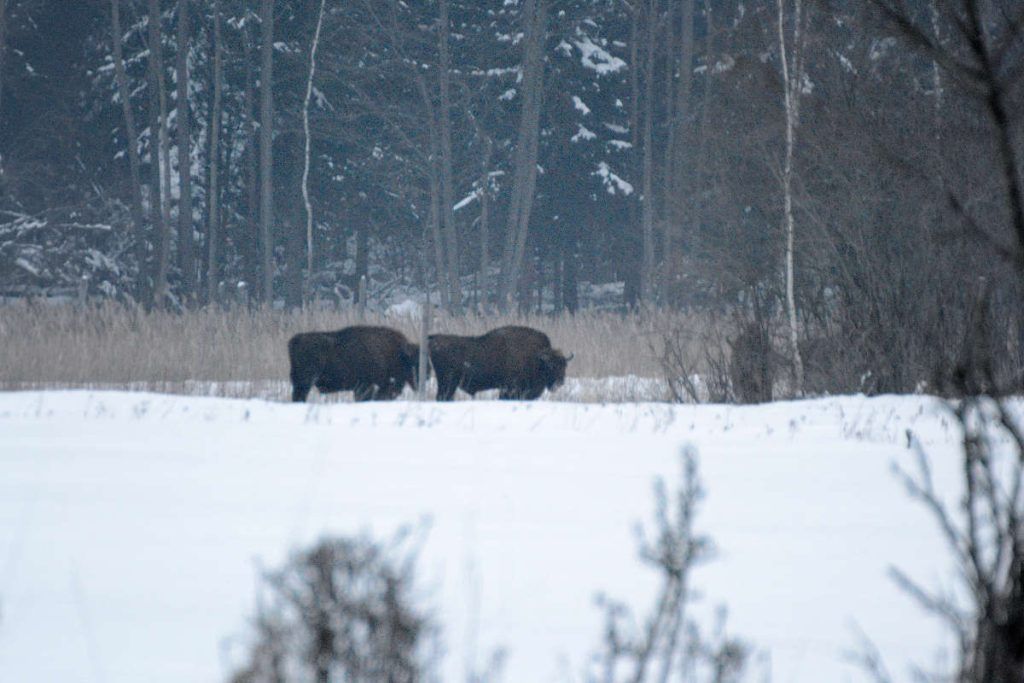 In this case, it was a group of four males in search of food. At this time of year, the lack of pasture and accumulated testosterone turn these groups into time bombs. Sometimes we can see them fighting among themselves; it's part of their behavior in the wildIn some cases, they may attack people who invade their living space.
Cold, snow, lack of food... these are not the best conditions for exploring the forest in search of bison. So where can we find the European bison in these cases? The best thing to do is to look for the feeding areas prepared by the park guards and workers themselves.
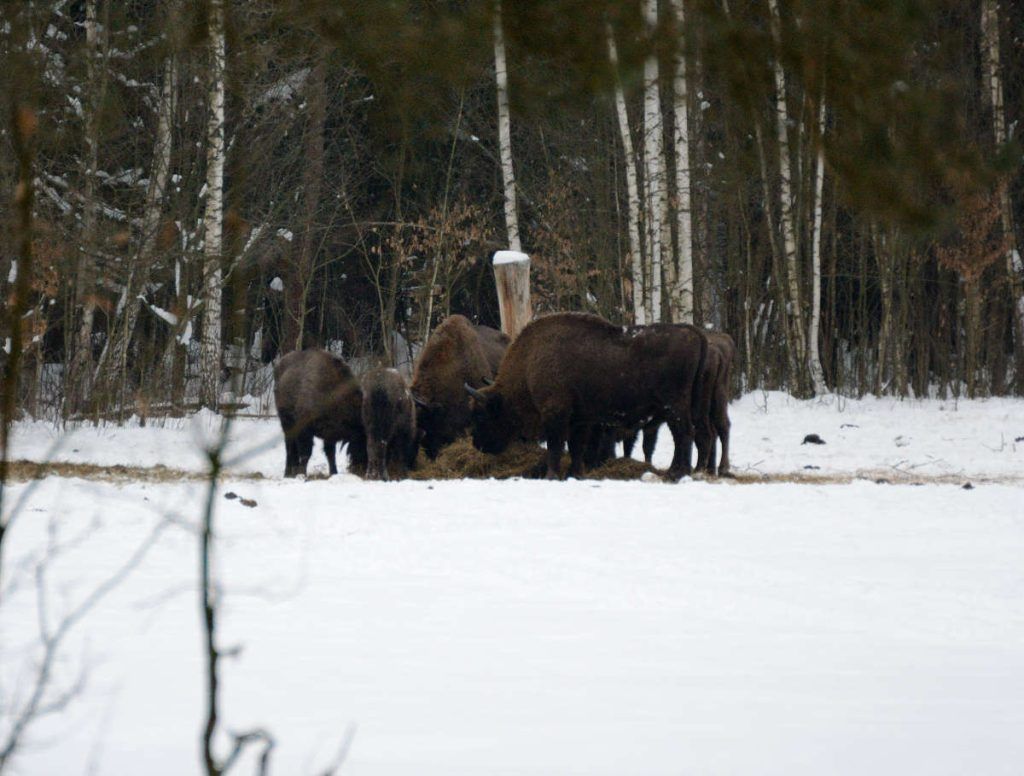
By crouching, we can get a little closer to these groups. Of course, always maintaining a safe distance. If we are patient and move slowly, the animals' own behavior will tell us when we are invading their living space.
And that is precisely what we can see in the following photograph:
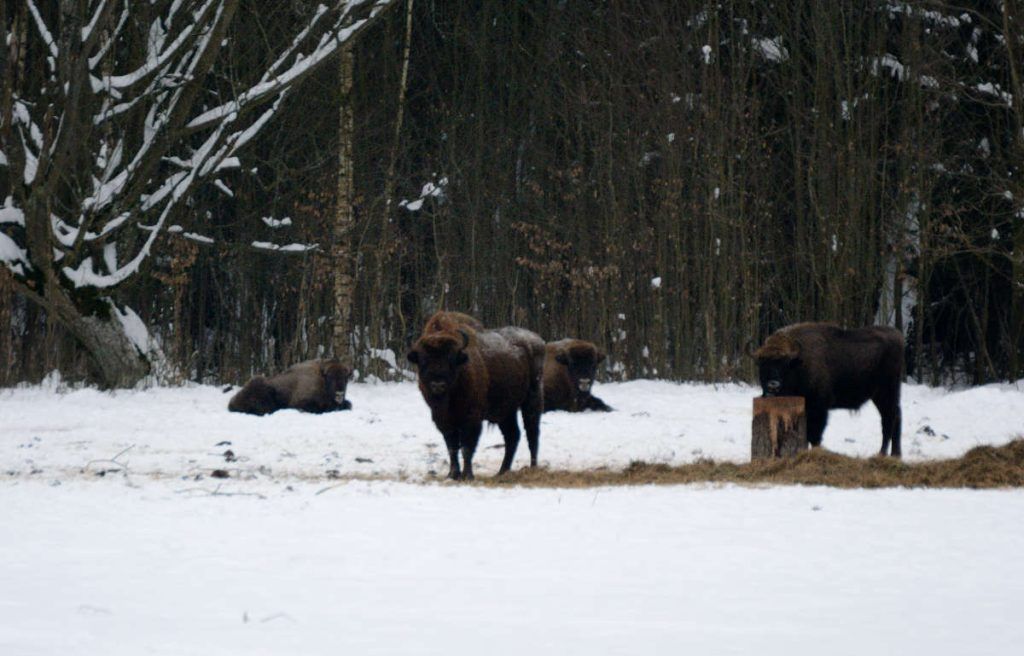 One of the males finally noticed our presence and took a few steps forward to let us know we were too close. This behavior can sometimes be interpreted as simple curiosity. In reality, it's at these moments that we can't let our guard down. The frontmost bison is subtly telling us that we're not welcome, that we shouldn't come any closer.
In these cases, it's better to show them with our behavior that we are not a threat to them. Staying still and crouchingMost of the time this approach will be enough to get the animals to relax.
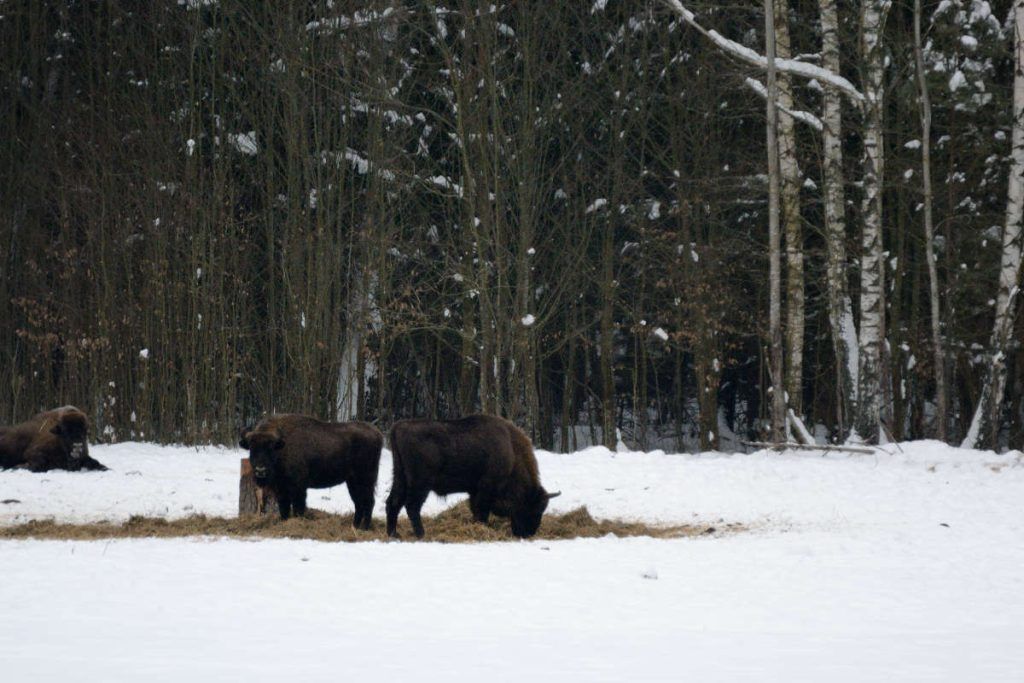
A few minutes later, the tension had disappeared. The bison stopped seeing us as a threat and continued eating. Reading the bison's signals and gestures helped us position ourselves better without causing them too much trouble.
Friends, knowing something about animal behavior and interpreting their movements and signals can help us a lot. This was part of our training and field practice on our last trip to Bialowieza. We had to deal with harsh winter conditions and know how to interpret bison behavior.
All the best.