Hello friends,
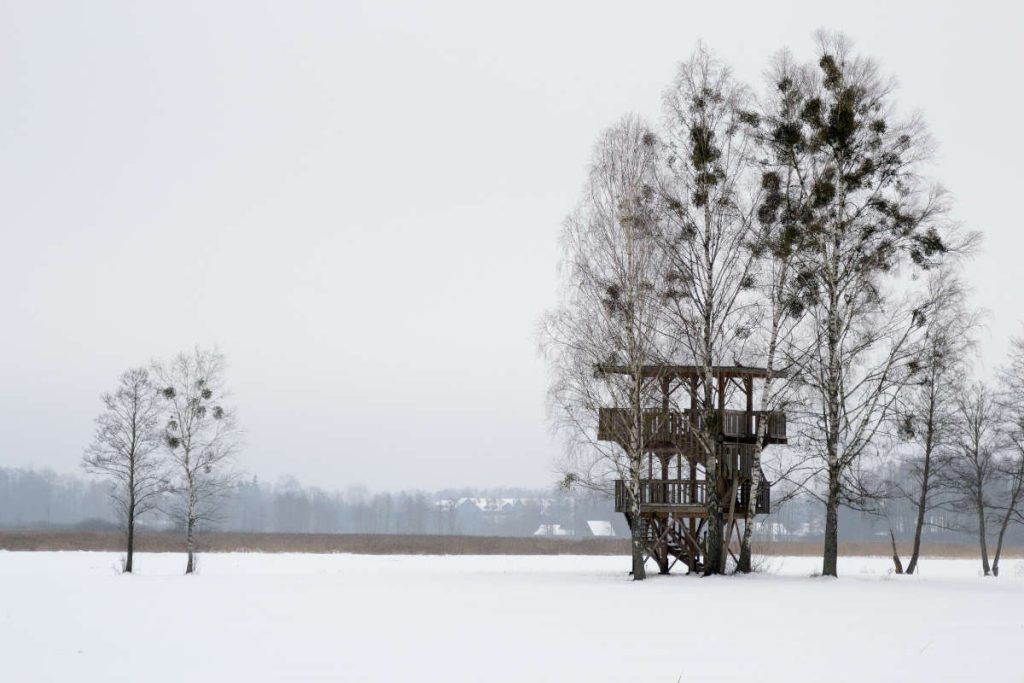
Taking advantage of the fact that we have snow these weeks (and in some cases a lot of snow) Fotogario throws himself into a small exercise: taking photographs of landscapes in high keyDon't know what high key is? Don't worry, keep reading.
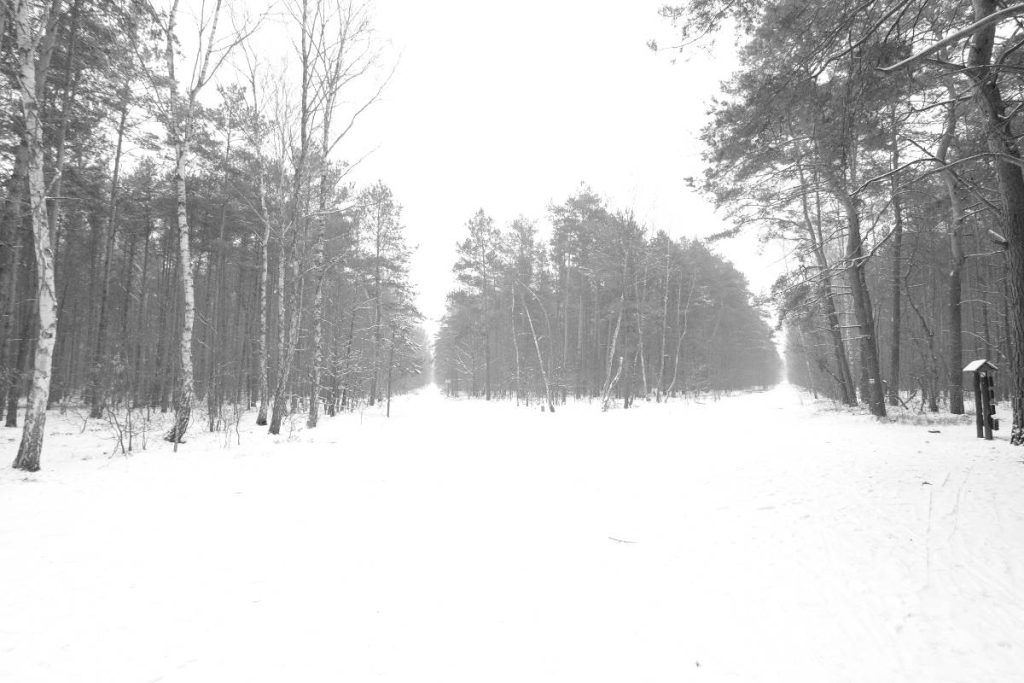
Photography in high key It's simply a photographic style in which the color white predominates over the image. It's a way of making a subject stand out against a white background.
In many photography blogs you will find tips and tutorials regarding the portraits and the macro photography in high key. But this same exercise can also be done when taking landscape photographs. But what's the secret to taking high-key photographs?
Obviously. If we want the white color to predominate in the image, we need a lot of light in the environment. In portraits and studio photography, this is easily achieved using light sources continues. It will also help us white background that reflects the light from our headlights.
But controlling light in outdoor photography, and specifically landscape photography, can be more complicated. That's why we'll need to choose the sunniest days or landscapes covered in snow. Snowy landscapes accompanied by cloudy or white skies are good candidates for this technique.
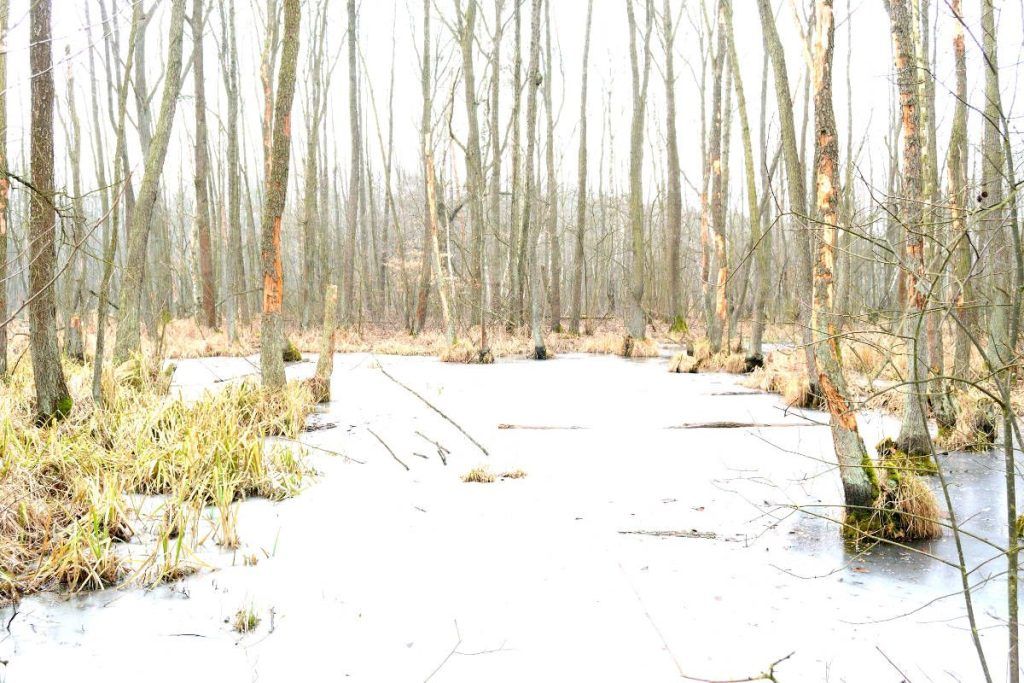
As always, I recommend working in manual mode to be able to control all the settings and parameters of our camera. There's no perfect formula, but when photographing outdoors with lots of ambient light reflected off the snow, I also recommend open the diaphragm. At f/5.6 it would be enough, but if you want to open it more it doesn't matter. Using long shutter speeds You'll get more light to the sensor. The main problem then will be camera shake or subject movement. That's why it's good to photograph static subjects or use a tripod. Finally and while the photometer let us, we will use low ISO values.
The snow present in the landscape can play a trick on us. bad luckThe camera's light meter will tell us the photo is correctly exposed, but upon further inspection, we'll see that it's underexposed. Keep in mind that snow reflects a lot of ambient light. That's why I recommend increasing the exposure (EV) by 1.5 to 2 stops. There's no exact value, so experiment a few times.
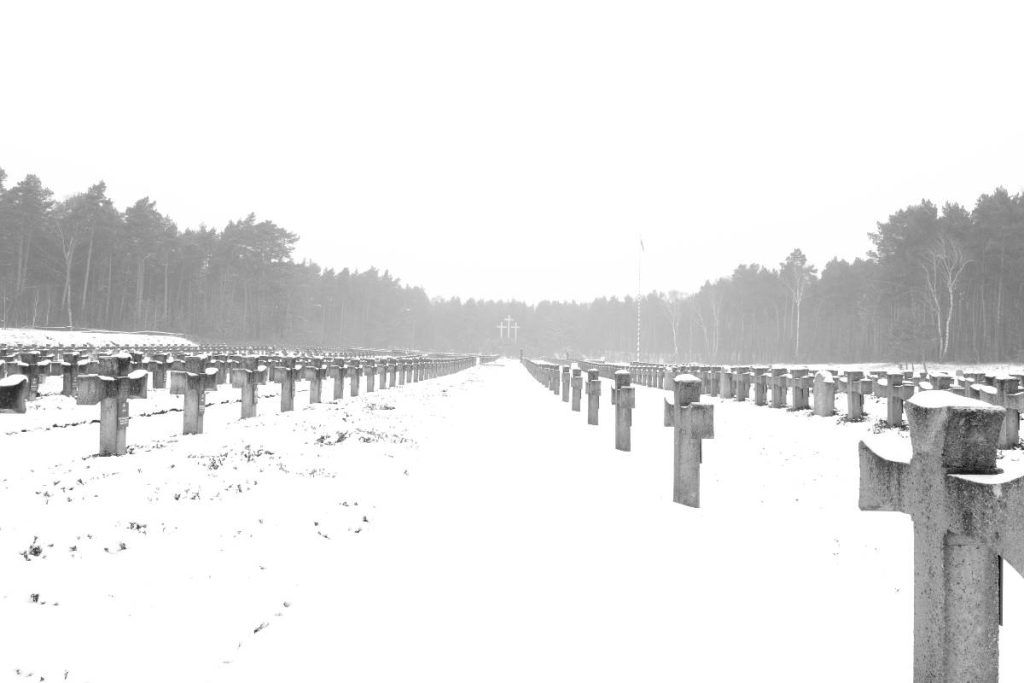
Experiment, test, adjust settings based on the light in the scene, keep an eye on your shutter speed if you have movement in the frame, convert to black and white during the process... and dress warmly 😉 Taking photos outdoors in snowy conditions can be quite a physical challenge.
Friends, this is a small corollary to practice the high key In landscape photography. The technique is widely used in portrait photography to convey sensations such as tranquility, calm, tenderness, peace... And we can achieve the same thing with a high-key landscape. Of course, the more minimalist the image, the better we'll convey those emotions. But minimalist photography will be the subject of another article 😉
Greetings, it's time to wrap up warm.