Hello friends,
Last week someone asked a basic question on the website Fotogario about a concept that is perhaps fundamental in photography: how to understand and use the different focus modes of our camera. As always, the best answer I can give you is through a couple of examples. Want to learn more about these focusing modes?
I could bore you with theoretical definitions of what it means approach. But in practical terms we say that focusing is getting the object we want to photograph in our scene to appear completely sharpThis definition implies (photographically speaking) that the image of the object or model passes through the lens and is projected onto the sensor in a sharp, focused manner. But as we said... let's not bore you any further... you can look up hundreds of technical definitions on the web.
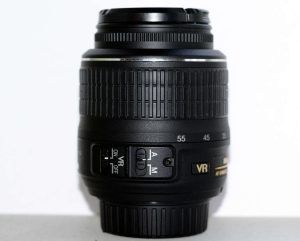 Most cameras on the market have two basic focus modes: manual mode and automatic mode. We can choose the focus mode we want on both the camera and most modern lenses. In the image on the left, we have the focus mode (A/M) and image stabilization (VR) buttons, which can be activated or deactivated. In front of these buttons is the focus wheel, which we manipulate in manual mode to focus on the desired subject.
Manual focus mode allows us to focus on the desired object, as we choose. I don't usually use this focus mode unless I want to take a portrait or achieve an interesting effect, such as focusing on an object and blurring the background or producing a beautiful bokeh effect. Focusing manually can be complex depending on the shot we want to take. That's why this focus mode isn't usually used in landscape or wildlife photography, unless we're shooting macro photography where we want to focus on a specific point in the image.
In this case it is the camera itself that automatically decides where to focus, the system known as autofocus. Obviously, we can tell it beforehand which point or area of the image we want to focus on. If you've ever used this mode, you'll recognize it because when you press the camera's shutter button halfway, the camera focuses automatically, and the lens's focus wheel also moves automatically. After focusing and reframing, we press the shutter button fully to take the final image.
Within this focusing mode, there are several types, depending on whether the subject being focused on is moving or stationary. In this case, Nikon and Canon have given their systems different names, to further complicate matters.
Single or single autofocus mode single servo (for Nikon) is the focus mode chosen for photographing still objects. Based on our focus area (always recommended), the camera will automatically focus on the object we specify. If the subject moves after focusing, we will lose focus on that object.
The practical case is the photographs below this paragraph. In the first, we placed the central focus point on the railing, which blurred the palace in the background.
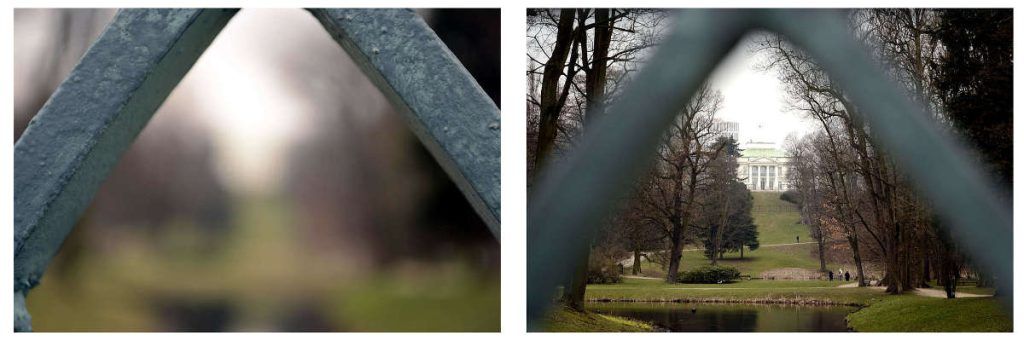
In the second image, we've placed the central focus point on the palace, blurring the railing. Both subjects (railing and palace) are still, so it's relatively easy to focus them automatically.
The focus mode in continuous servo (Nikon) is the mode to choose when our subject is moving. Unlike AF-S mode, in AF-C mode the autofocus motor will track the model throughout the scene as long as they move after focusing. This way, the focus will always remain on the subject or model, even if they move forward or backward, thus changing the focal plane.
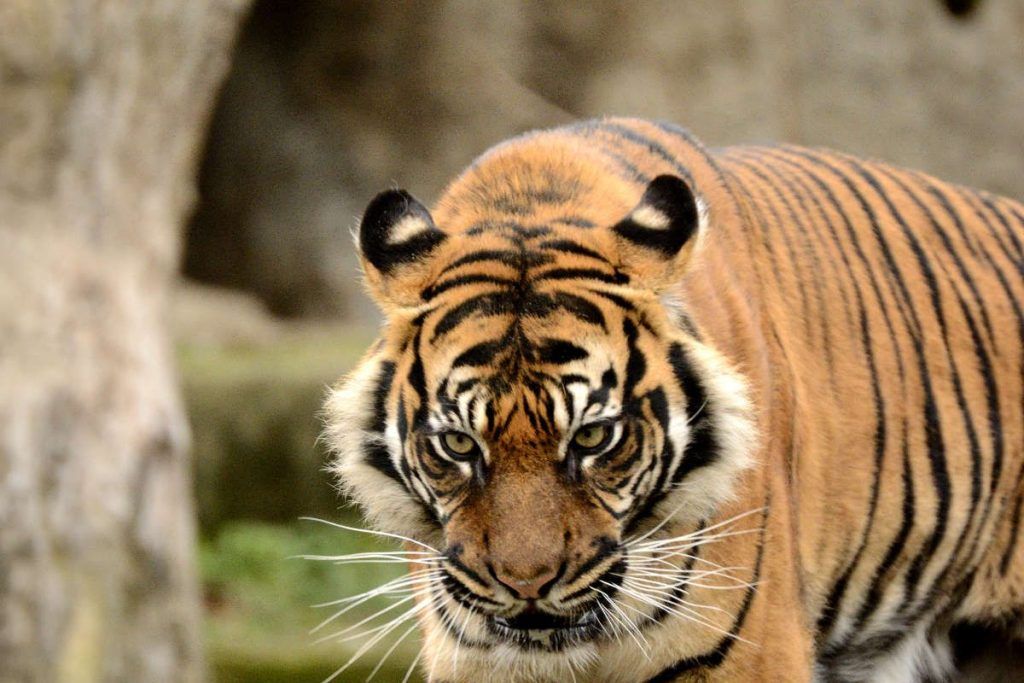
In these cases, it's always advisable to focus on the eyes of our model or subject. Depending on the subject's size, speed, and distance from it, it will be more or less difficult to center the focus point on their gaze. Therefore, mastering this focusing mode requires experimentation and practice. The best thing we can do is go to a nearby park and try photographing moving animals. Mastering continuous servo will allow us to follow the action of the subject or subjects throughout our scene while always keeping the object of interest in focus.
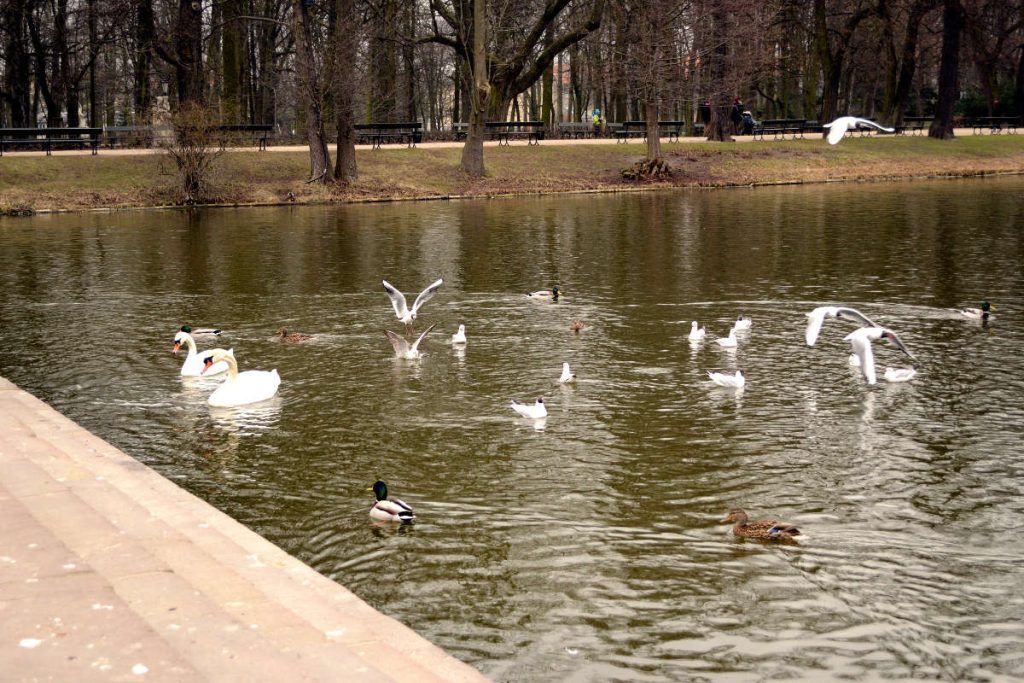
These are the basic focus modes offered by all models on the market. Nikon and Canon (at least) also offer another focus mode, although most photographers don't use it because it's not very advanced.
It is the focus on automatic servo (Nikon) that automatically decides whether an object is moving or stationary. Here, it's the camera (not us) that decides the subject's state. The theory tells us it would be the perfect mode for action photography (sports, animals, etc.) where movement is unpredictable. But as I mentioned, this focusing mode isn't very sophisticated, and the camera often confuses the focus when the subject moves slowly or when there are several moving subjects with different trajectories.
Our camera will also allow us to select different focus areas, which we can combine with the previous focus modes depending on the moment and the scene in front of us.
Single point. It's the most precise way to focus, as we tell the camera the exact point to focus on. It's generally recommended to use the camera's central focus point and then reframe the scene before taking the photograph. Logically, single-point focusing is recommended for static subjects.
Dynamic zone. In this case, we also select a single focus point, from which the camera automatically selects an area around that point to focus on. This is often used to photograph moving subjects or subjects that are stationary but are likely to move.
Automatic zone. As in the last focus mode discussed above, in this case the camera automatically decides what to focus on based on pre-recorded mathematical parameters, such as focusing on the closest object, the largest object, or the object with the most contrast (contrast difference). Using this focus area is not highly recommended, as the programmed parameters don't usually match our tastes and ideas about how we want to take the photo, so there's a lot of room for error.
Friends, I hope this article makes each focus mode a little clearer, and how to choose between them depending on the scene we want to photograph. Let's not go crazy; mastering the parameters and modes offered by cameras takes time, and we're not going to achieve it in a single day or by reading a single article. That's why I'd like to recommend that you go out to the nearest park to practice the difference between single servo (AF-S or One Shot) and the continuous servo (AF-C or AI-Servo). Try photographing still subjects and landscapes with single servo, and track animals and moving objects with continuous servo. With practice and a little knowledge of the subject you're photographing, you'll achieve perfectly focused, visually striking images.
Greetings and happy weekend.