The friends and adventure companions of the blog of Nattule They bring us an article about one of the most fascinating animals of the peninsula: the Iberian lynx. On this occasion Julia He explains where we can spot the lynx and gives us some very useful tips on how to avoid disturbing the animal and respect its natural habitat, while enjoying a magical moment. Nattule They have extensive experience in travel and eco-experiences. Want to know their recommendations for observing the Iberian lynx? Read on.
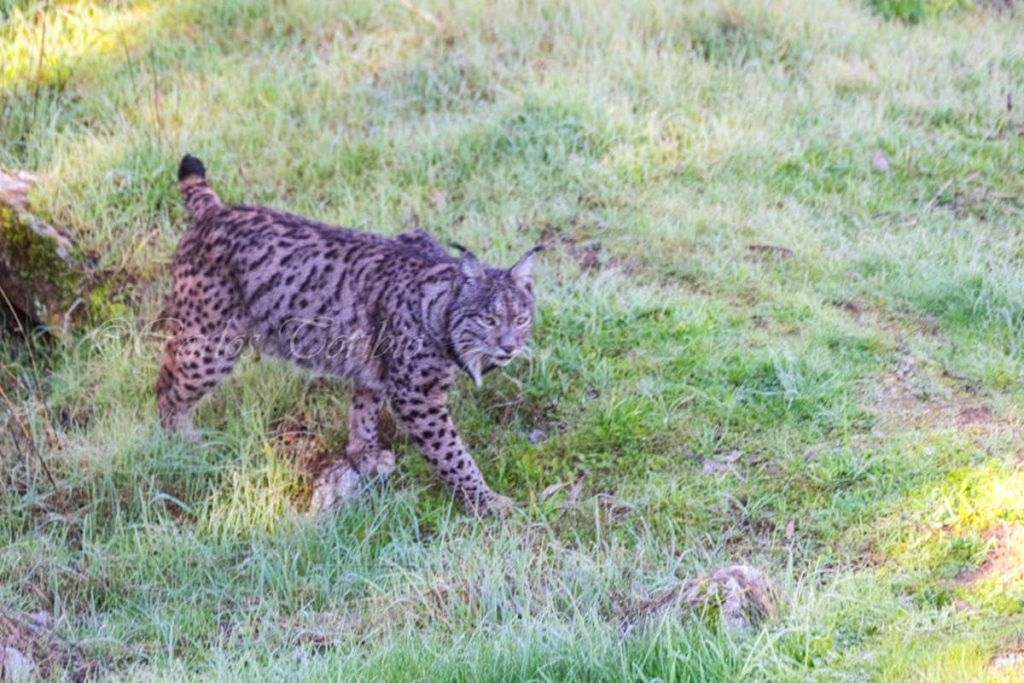
 Just as Africa has its "big five," in Spain, wildlife photographers see their dream fulfilled when they manage to photograph one of the great Iberian predators: the wolf, the bear, or the lynx.
The latter, despite being a protected species since the 1960s, remains a difficult goal. Even though its population has been experiencing significant improvements for years, it remains in danger of extinction, and its habitat is reduced to almost only two enclaves in Andalusia.
On the one hand, the lynx is the star among the fauna of the Doñana National ParkOn the other hand, its largest population center is located in the Sierra de Andújar Natural Park, in the province of Jaén; a place where, with a lot of luck, it is also possible to see the Iberian wolf.
To find the lynx in the Sierra de Andújar, we'll look for Mediterranean forest and scrubland. We'll follow the park's authorized trails to avoid entering the many private estates.
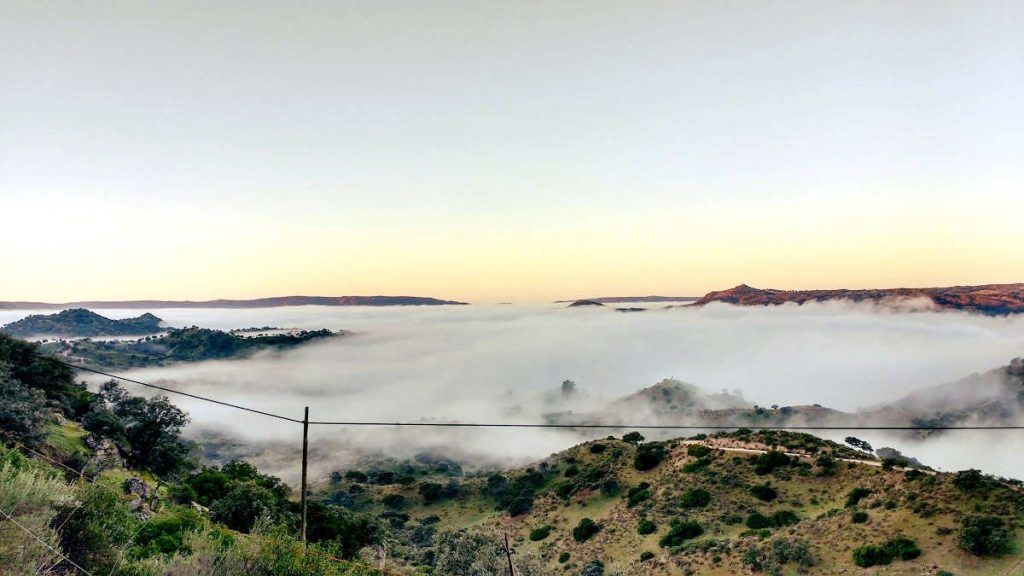
Photo: Carlos Toribio
The chances of spotting it multiply (although so do visits), but they're not guaranteed during the lynx's mating season, between November and February. So let's keep our eyes open and our cameras ready.
We left Andújar early in the morning and headed towards the road that leads to Sanctuary of the Virgin of the HeadThe most likely areas to spot lynxes are past the Los Pinos tourist complex, at kilometer 14, so we head in that direction. At that point, we'll find the first fork. If we continue to the left, we'll reach the Encinarejo recreational area, where, with a bit of luck, it's possible to observe lynxes coming down to drink from the river, and even see an otter at dusk.
On the contrary, if we take the path on the right, we will reach the Jándula reservoir, another area with good chances of sightings. This is the route we recommend taking.
 The road narrows between numerous curves, and the usual precautions must be added to even more caution. We must not forget that lynxes roam freely in this mountain range, frequently crossing the road. Sadly, roadkill is one of the main causes of death of this feline.
At approximately 8 kilometers, in the area known as Los Escoriales, the asphalt ends and the road splits into two tracks. In this case, we should take the left one, heading towards the reservoir. At this point, we have the option of leaving the car and continuing on foot or continuing in our vehicle, although the track is no longer in as good condition.
We'll advance with alert eyes and ears to capture everything nature has to offer. We'll be able to distinguish the call of the common partridge and perhaps even spot a mountain goat. If our trip takes place between October and November, we'll also witness the thrilling bellow of the deer.
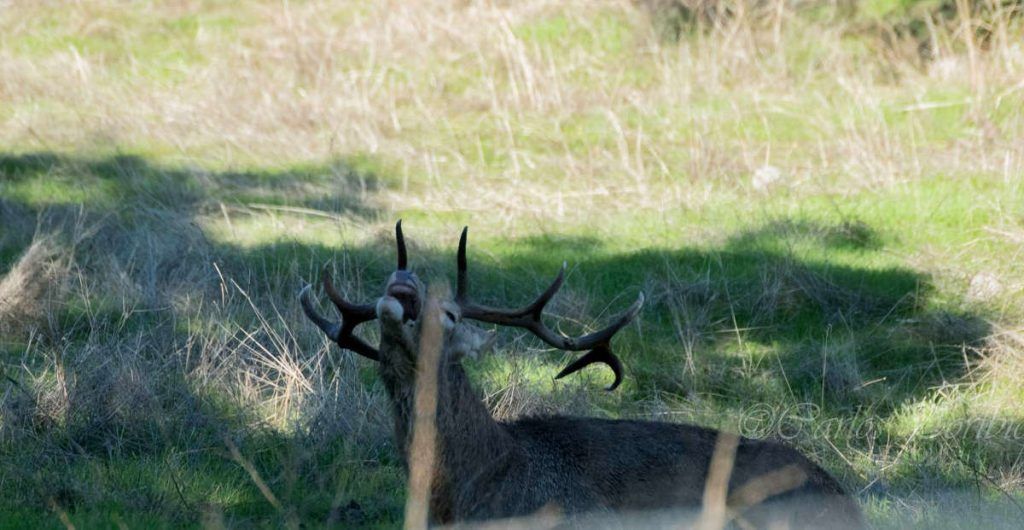
 Gradually, the pine trees give way to holm oaks, and we find ourselves among pastures. In addition to the enormous fighting bulls, the undisputed protagonists of the scene, deer can be spotted with relative ease. We'll definitely have to come back during the rutting season!
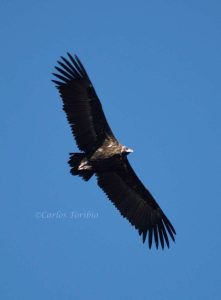
We continue on until we reach the outskirts of a granite landscape where it's not difficult to spot various birds of prey: golden eagle, black vulture, and Spanish imperial eagle. The view is worth it just to photograph a few of these specimens.
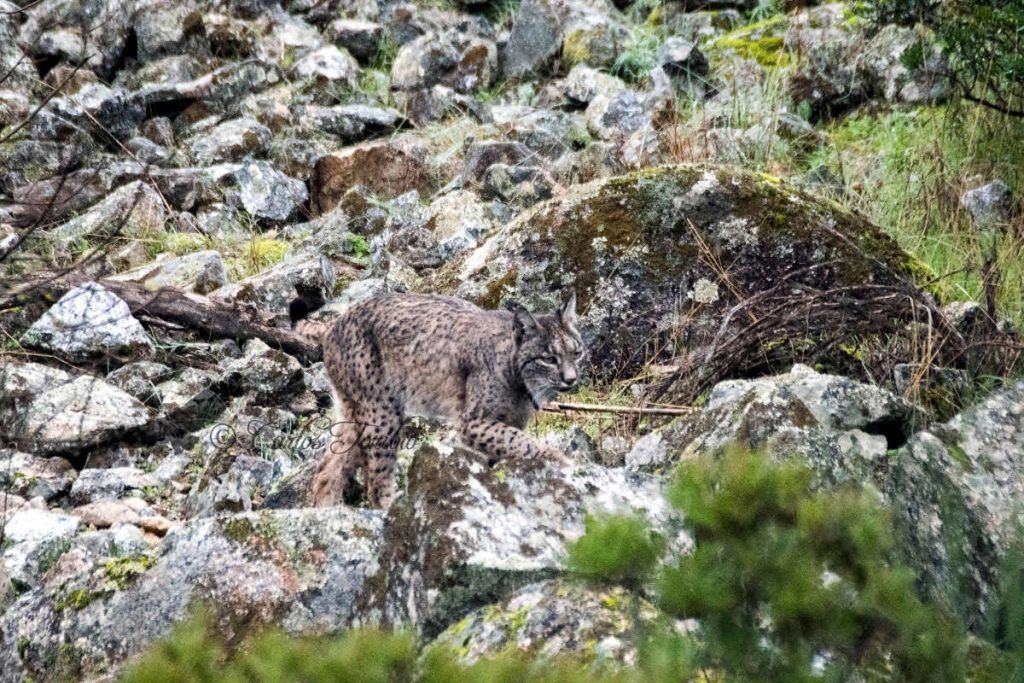
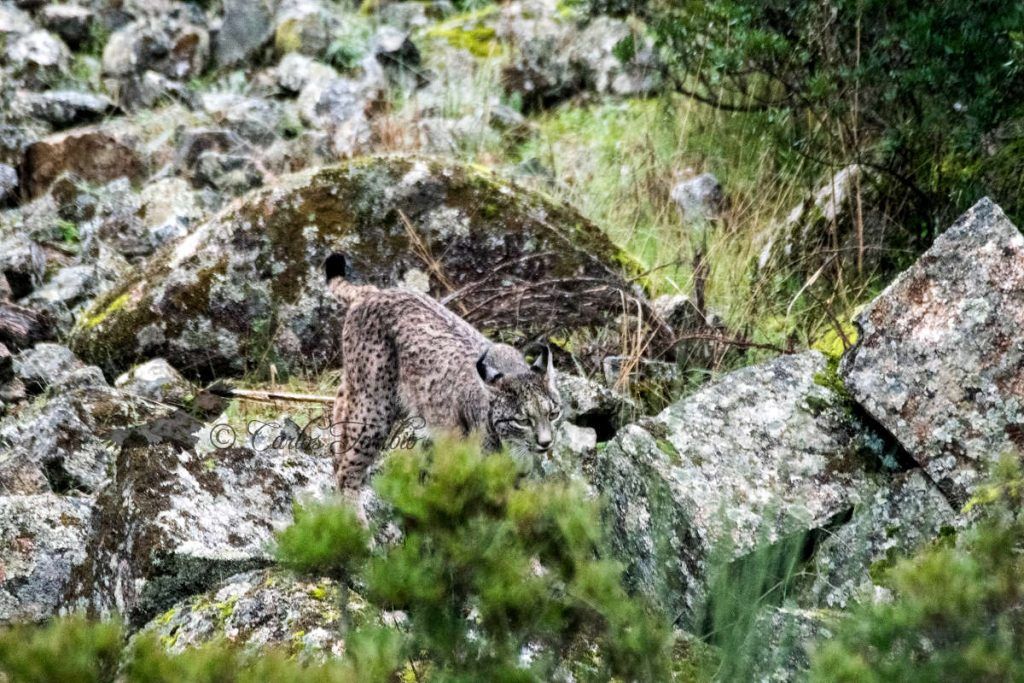
But luck favors us, for there, among the rocks, someone observes a shadow moving slowly. We must pay attention, as the lynx's dark fur camouflages itself well among the thickets of rockrose and mastic trees that dot the rocky mass. Using good binoculars certainly makes the mission easier. This fleeting encounter lasts only a few minutes, but it's more than enough time to engrave it in our memories forever.
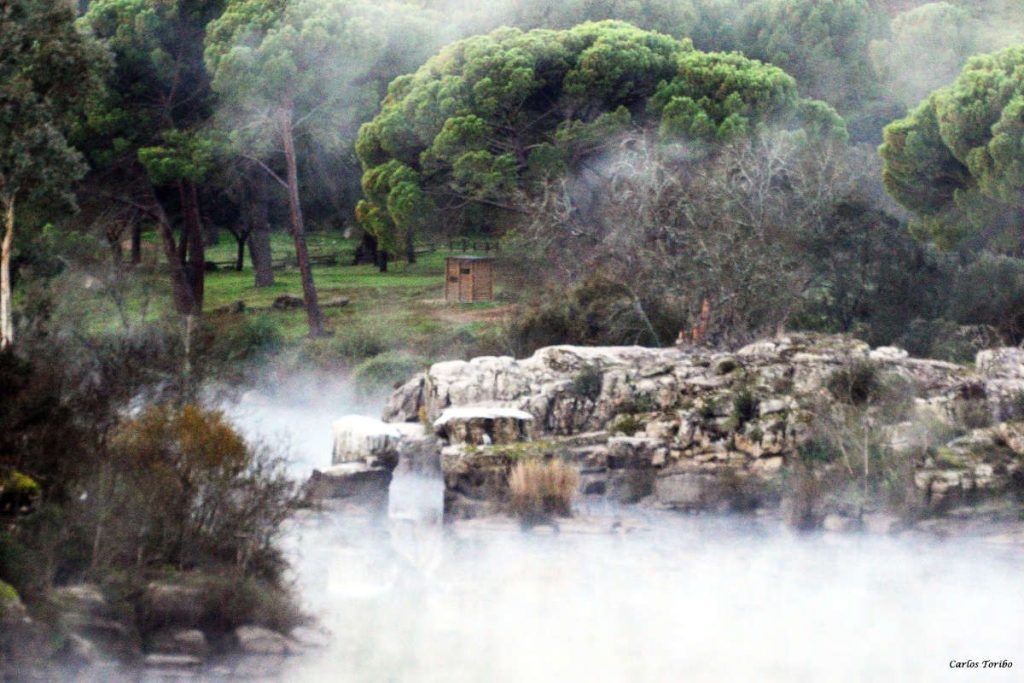
 In the last section, the track enters the area known as La Lancha and once again becomes a Mediterranean forest. Before reaching the viewpoint over the Jándula reservoirThe path narrows into a winding area where visitors often position their telescopes and try to locate the elusive feline. The silence is absolute as we keep our eyes peeled. Time and again, our gaze shifts toward the clearings in the terrain, where we expect to see the lynx appear at any moment.
At this point, it's worth remembering a lesson learned long ago: the behavior of some birds, such as corvids, is altered by the presence of lynxes, and they become agitated when they notice them. If a group of magpies starts making noise and swooping over an area, direct your gaze toward them, as the reason for your adventure may very well lie beneath.
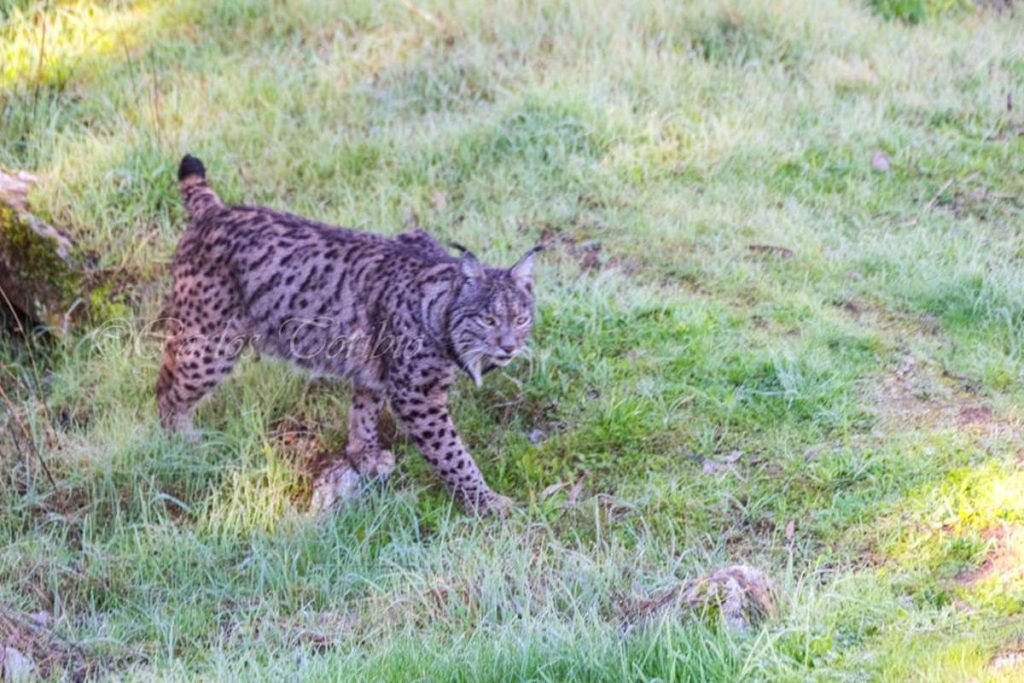 Once the lynx appears, it's very important to avoid sudden movements. Don't shout, run, or try to block its path if it tries to cross the lane. Don't forget that we're in its territory and we're mere spectators.
If luck holds out, another sighting could brighten up the day. If not, you'll have to wait for the next visit and hope the feline is less reserved. In any case, what's certain is that a visit to the Sierra de Andújar is well worth it. Raptors, deer, lynxes... they're all waiting to be captured by your lens.
 Traveler, publicist, and writer. Archery enthusiast. Julia He's one of those people who prefers to discover the similarities between places firsthand, as well as their differences. Follow his adventures on Nattule.