Hello friends,
Collserola, Montjuic... and of course, the Llobregat DeltaAs many of you know, Fotogario has officially moved to the Iberian Peninsula. Beginnings are always difficult, but we've already hit the ground running and in these first few weeks we've explored Montjuïc, the Collserola Natural Park, and the Llobregat River Delta, the second largest in Catalonia. The delta is equal parts a highly valuable biological reserve and one of the ecological spaces most threatened by human activity. Want to know why?
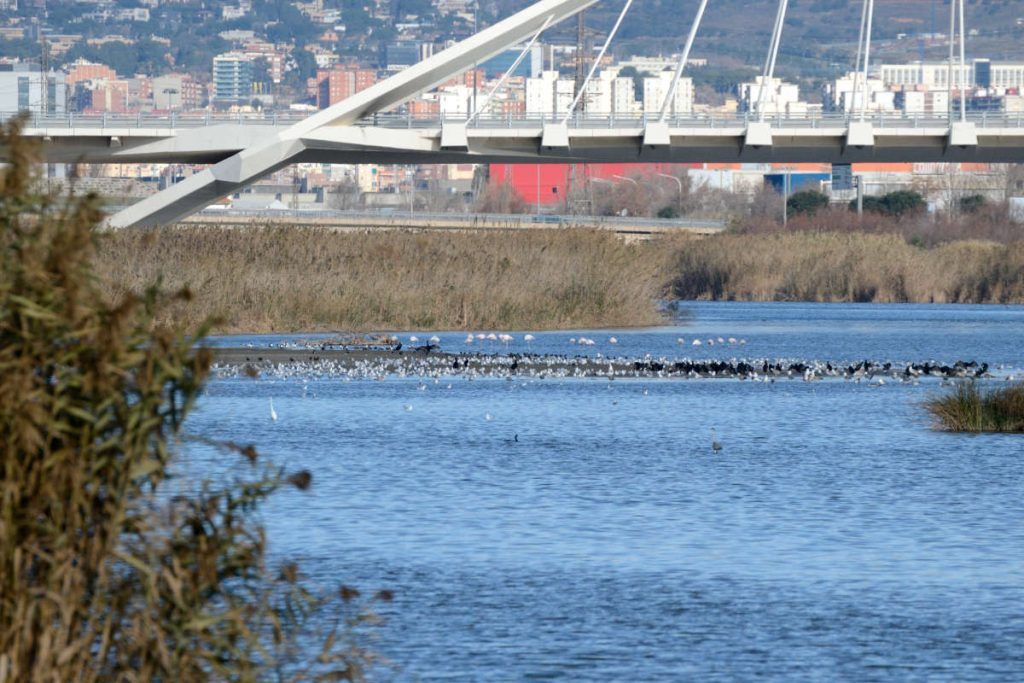
It's difficult to explain the Llobregat Delta to someone who has never visited it. The photograph above is perhaps one of the most recognizable images, one of the first we'll see upon arriving at the information center. Over the Llobregat River, under the Nelson Mandela Bridge, dozens of people crowd into the water flamingos, cormorants, seagulls, herons and several species of ducks.
But this image isn't enough to explain what the delta is like, what the protected breeding and refuge area for birds and amphibians consists of, and what problems this protected area faces. It's difficult to explain all of this to someone who has never visited this particular delta. All I can do, as a seasoned observer, is describe what I experienced during my visit and the impressions I gained from such a unique space.
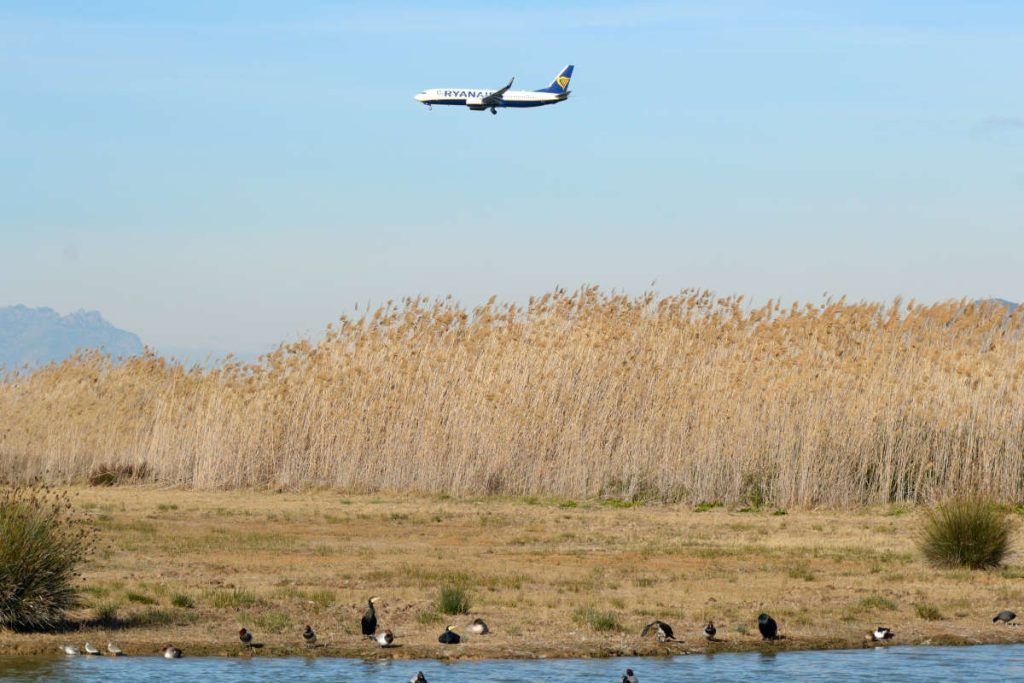
It's true. Not only will it catch your attention if you visit the delta, but it will drive you crazy if you spend several hours there. The constant sound of planes flying over the estuary and landing at the nearby (very close) El Prat airport clashes head-on with the idea I had until now of "biological reserve".
If anyone is expecting a haven of peace and solitude, forget it. Instead, they'll find themselves surrounded by dozens of tourists, photographers, birdwatchers, Sunday walkers, cyclists, and other walkers... and of course... MANY planes.
For all those who think I'm exaggerating... I have dozens of photos of airplane bellies that back up my words. Keep them by your side. one of the busiest airports in all of Europe It is perhaps one of the main threats to this delta. But it is not the only one, by any means...
The airport and the industries that have been installed along the river banks over the years are the main workhorse of the environmental groups of the area. Next to the airport, a wastewater treatment plant and a waste incinerator are crowding the already channeled riverbed and further narrowing the protected area of ecological value.
The surprise is all the greater in this situation. Despite the tourists and the industries, despite the excessive airplane traffic, the animals are there. They don't flinch, aren't scared, or are frightened. They don't fly away. They live their lives and let life be. They are becoming fewer and fewer (the population of different species has been declining in recent years), but they are resilient.
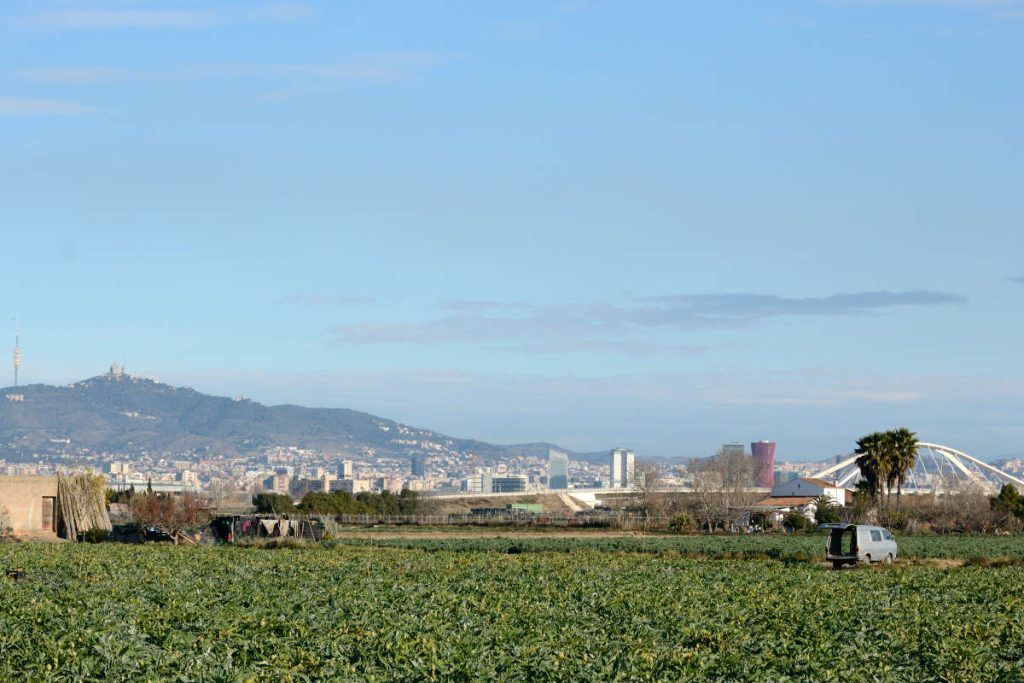
The orchards They stretch for miles along the banks of the Llobregat River. The morphology of a wide, open valley combined with a sunny, Mediterranean climate make this region a natural paradise.
When I think back to my school years... textbooks defined the Nile River Delta as a green, rich, and fertile valley in the middle of the Egyptian desert. That's the first impression I got of the Llobregat Delta.
It would be difficult for these gardens to survive so close to the coast without the continuous flow of freshwater from the river. And it is this continuous flow that feeds (and provides shelter) for a multitude of species of stationary birds. That is why birds and amphibians resist In front of airports and industries. Humans exploit (overexploit) the area, yet there is still a small refuge of peace and food for animals.
Let's get to the important stuff. What species can we find in the Llobregat Delta? The answer isn't simple. It depends on the time of year we visit the reserve. Flamingos are perhaps the most sought-after and photographed resident. But we can also find a wide variety of ducks and anatidae, seabirds (gulls, terns, cormorants...) and a multitude of amphibians. During the spring and summer months, mosquitoes and insects invade the delta and its lagoons.
 Nature lovers come to the delta attracted by the wide variety of ducks and anatidae available for photographing. The consortium responsible for managing the reserve has made every effort to facilitate wildlife viewing without disturbing or stressing the animals.
To this end, they have installed several observation posts throughout the reserve, perfectly integrated with the flora and very close to the delta's largest lagoons and wetlands. Visiting any of these observation posts allows us to photograph various species of ducks, herons, cormorants, and more from a distance.
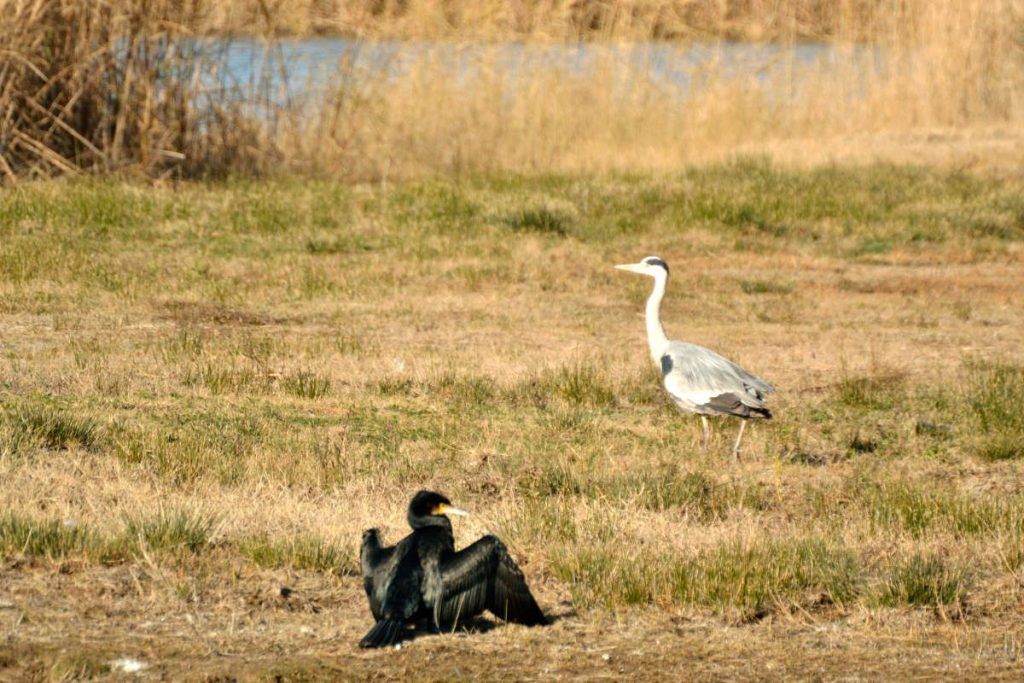
It is important to remain silent whenever entering and using one of these wooden observatories. The main purpose of these observatories is to ensure that the birds do not feel threatened by the people inside. Silence and calm, unhurried movements will help the birds not lose confidence or become wary of these man-made spaces. If we are patient, we will be able to capture images as beautiful as the ones I got from a marsh harrier hunting in the middle of the lagoon.
After several minutes of waiting, I was fortunate enough to be alone at the observatory. It was then, in complete silence, as I watched some great egrets, that this harrier appeared out of nowhere and hovered, suspended by the air currents over the lagoon.
I immediately realized it was hunting. Right in front of me, not caring in the least about my presence. The eaglet was bobbing up and down, not moving its wings, just taking advantage of the air currents, its eyes focused on the prey it wanted to capture.
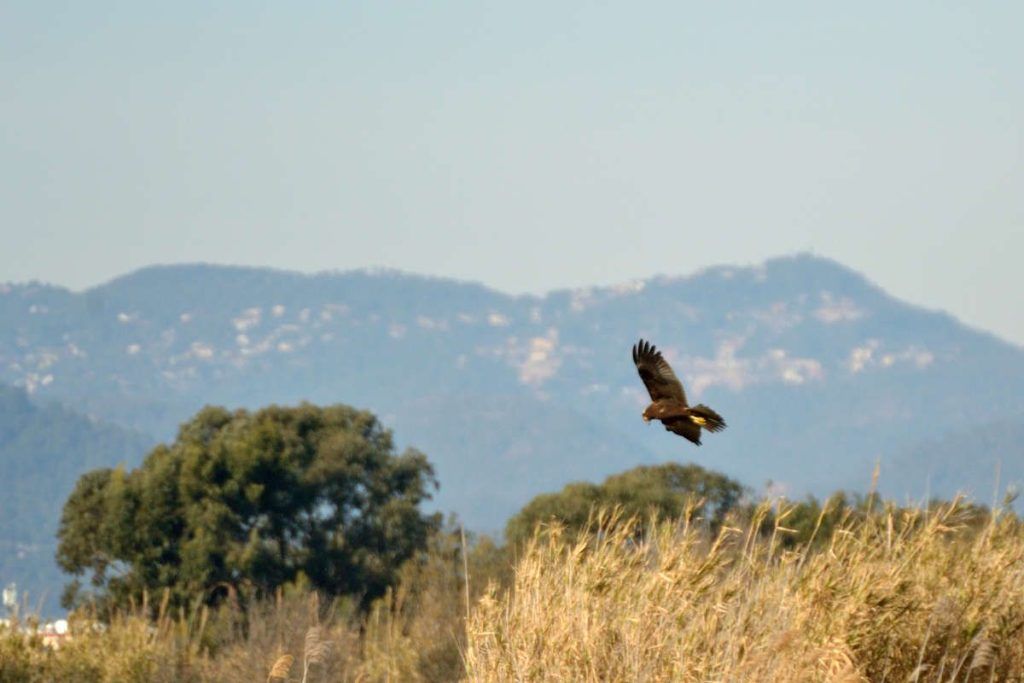
It was a unique moment The one who gave me this small species of bird of prey, very common in our lagoons and swamps. I was also lucky to have my binoculars with me, through which I was able to observe the entire scene in astonishing detail.
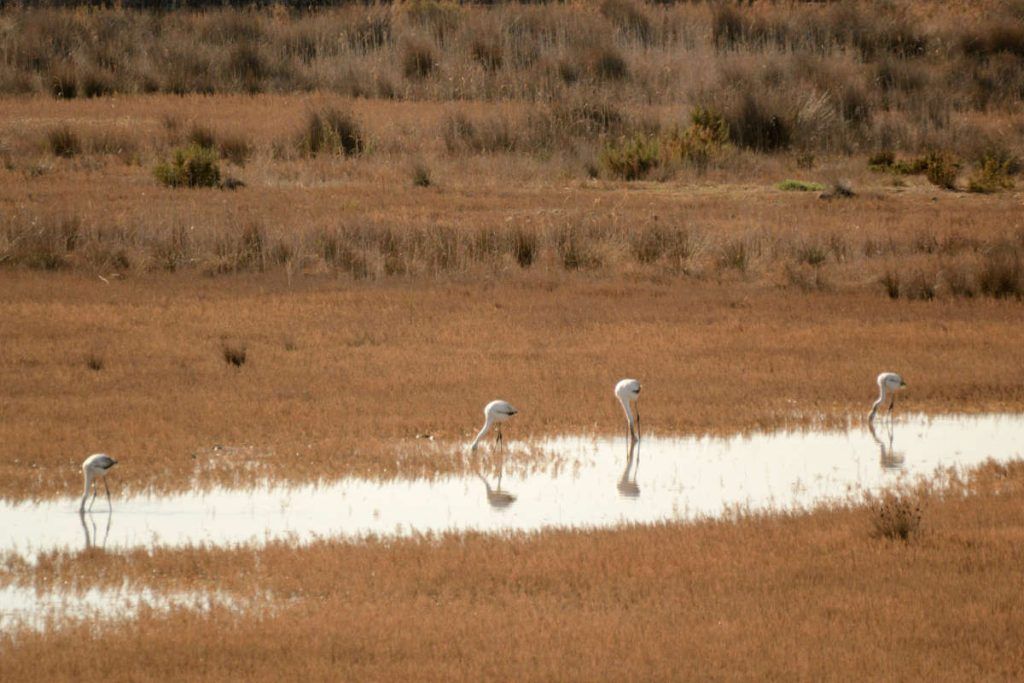
But without a doubt the star inhabitant of the delta is flamencoMany of you may be surprised to see white flamingos. In reality, the color of a flamingo's plumage can change depending on its diet. The pink or reddish color that many of you know flamingos by is due to a diet rich in algae, shrimp, and small crustaceans.
In contrast, the flamingos found in the Llobregat Delta retain their grayish-white plumage. Their coloration indicates that they most likely feed on worms, insects, and various aquatic plants that grow in the marshes near the river mouth.
Little by little, we will leave behind different bird observatories and the course of the river will lead us to the mouthA specially protected beach area, closed to traffic, where a multitude of birds nest and breed.
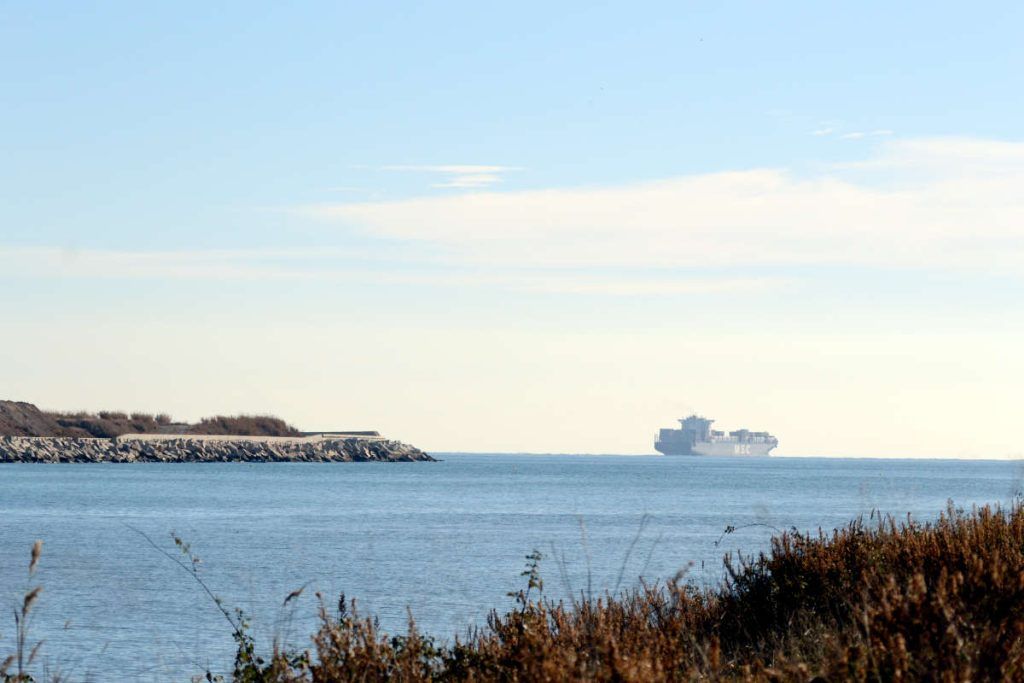
Gazing at the beach and the sea, one understands once again the special fragility of this ecosystem, surrounded by industry and delimited by human activity and agricultural exploitation. At the same time, one marvels at the adaptability and resilience of the local flora and fauna. It's a very fragile balance that we must all strive to maintain to protect this type of natural space.
Friends, now that the Llobregat Delta is so close, we'll be visiting often. In fact, this afternoon we'll be participating in a nocturnal birdwatching activity. To see all the photos we take on these excursions and activities, don't miss the file from our Facebook page dedicated to this reserve.
Greetings.