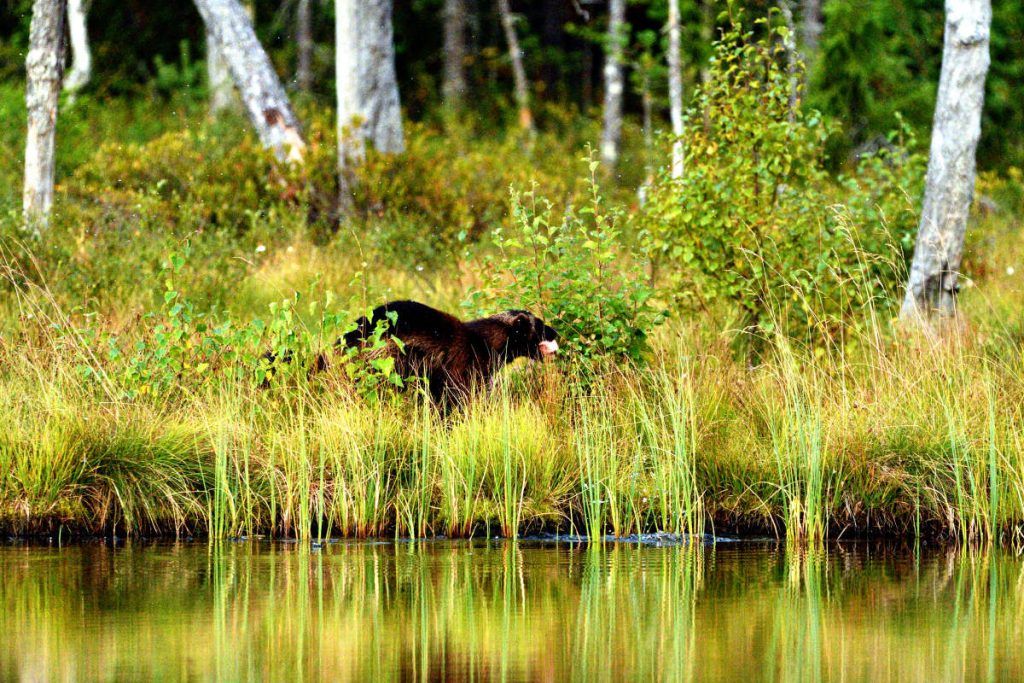
It was already evening when I heard some strange sounds. It was as if a rabid dog were growling. But those growls were... strange. They didn't sound like dog growls. In reality... I couldn't identify what kind of animal could produce those growls...
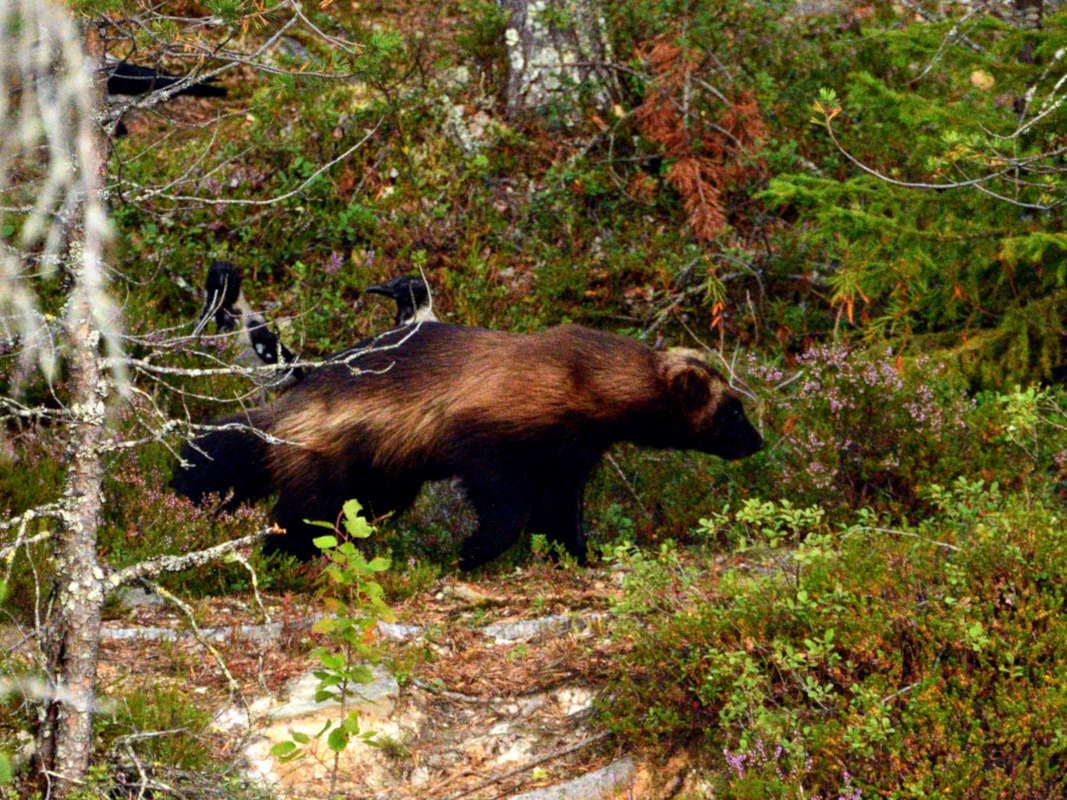
Hello friends. I couldn't pass up the opportunity to write a brief article about this strange animal. I was able to observe and film it live on our last visit. trip to Finland, where we went to look for the brown bear. Little known in the Iberian Peninsula, it is also not easy to find true and reliable information about it. glutton.
So instead of doing a "cut and paste" of the Wikipedia, I have preferred to write a small, pleasant and light post, with the 6 facts you (maybe) don't know about this strange animal.Want to test how much you know about wolverines?
Wolverine, wolverine, wolf cub, "the little bear"... I have read a multitude of names and descriptions for this animal. The English-speaking community knows it as wolverine, whose translation in a nutshell would be that of a "little wolf". This animal is also the one that gives rise to the Marvel legend of the superhero Wolverine, for his strength and aggressiveness.
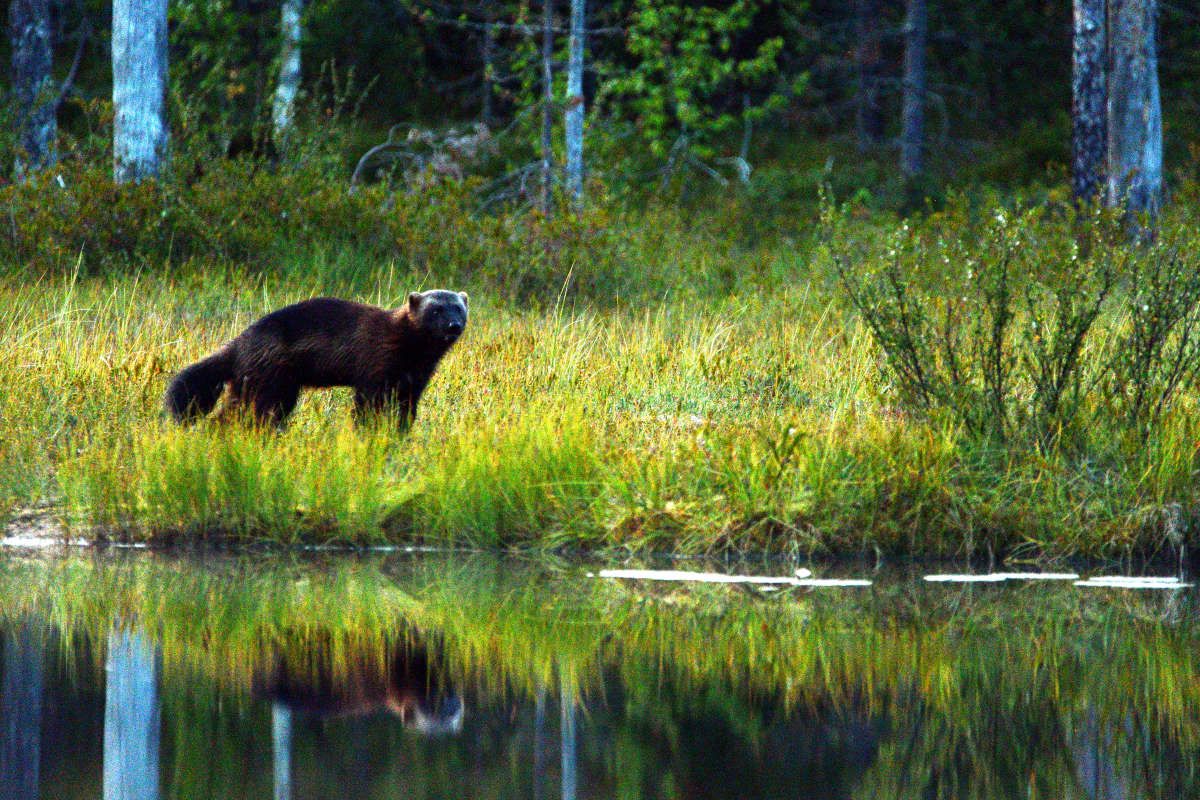
Indigenous communities in Alaska and Canada know it by the name of wolverine. Instead, we Latins derive their name, glutton, from its scientific classification in Latin (Gulo gulo). The Germans call it Vielfrass, literally "gluttons." Come on, it's not just about names...
Neither a small bear, nor a small wolf, nor a canine... it is a mustelidThis means that the wolverine belongs to the same family of animals as weasels, martens, ferrets, bison, badgers... In fact, it is the largest mustelid in the entire family.
On various pages I have read how some people identified him as a little bearNothing could be further from the truth. glutton It belongs to the badger or weasel family. It is a (mainly) nocturnal animal that builds burrows and does not hibernate like bears.
Confusion with bears or wolves may arise from people's lack of knowledge, given that the wolverine is not a widespread animal around the globe. In fact, its main habitat is restricted to the taiga and the tundraWe can find it in Nordic countries, Canada, Russia and Alaska.
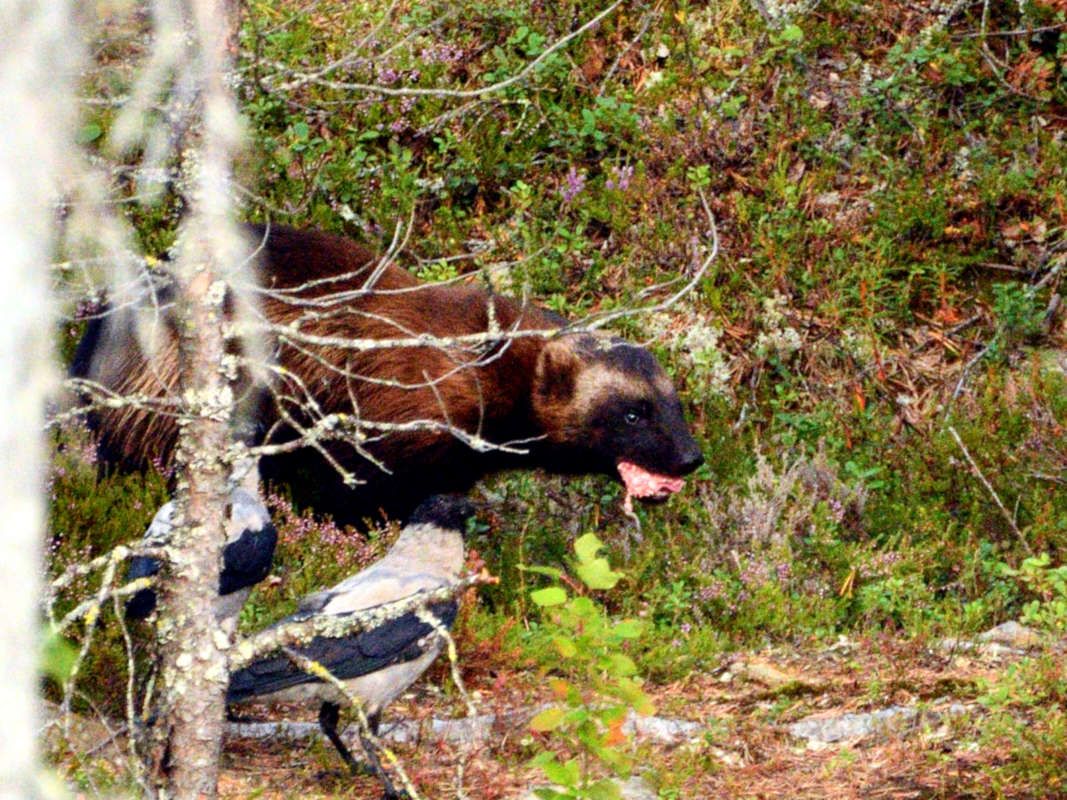
It can feed on both berries and forest fruits, as well as meat, primarily carrion. In this respect, it is similar to bears. It is not an active hunter, but rather a passive scavenger that does not hesitate to snatch and steal pieces of meat from the prey of other large hunters.
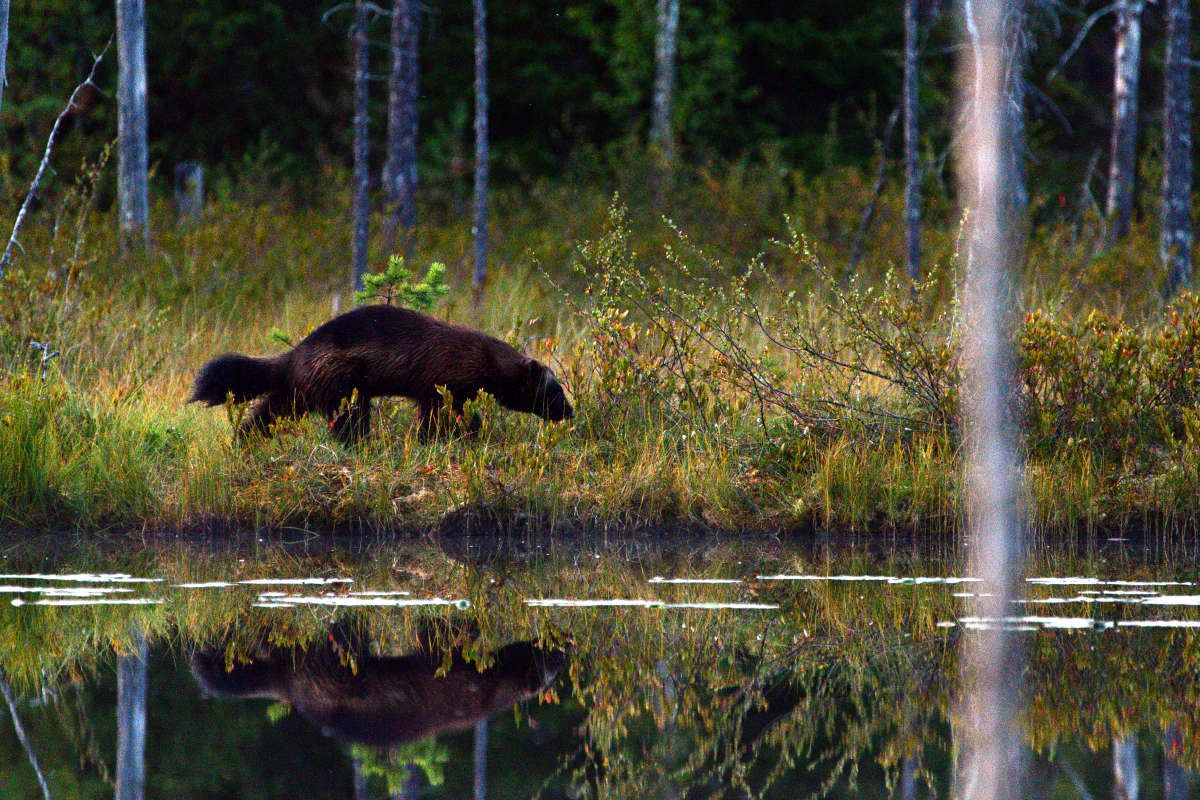
Don't be fooled by their small size. All mustelids are fierce, and the wolverine is no exception. They have a mouth full of very sharp teeth with which they tear apart the flesh of their prey. They don't hesitate to fight and display their aggression to defend their territory, their burrow, or the place where they've found carrion.
We had the opportunity to see his fierceness live in front of the white bear that we filmed in Finland. For several minutes, the wolverine growled, bared its teeth, and feinted at an animal almost 10 times its size. Step by step, meter by meter, it snatched ground from the polar bear until it managed to steal a large piece of fish.
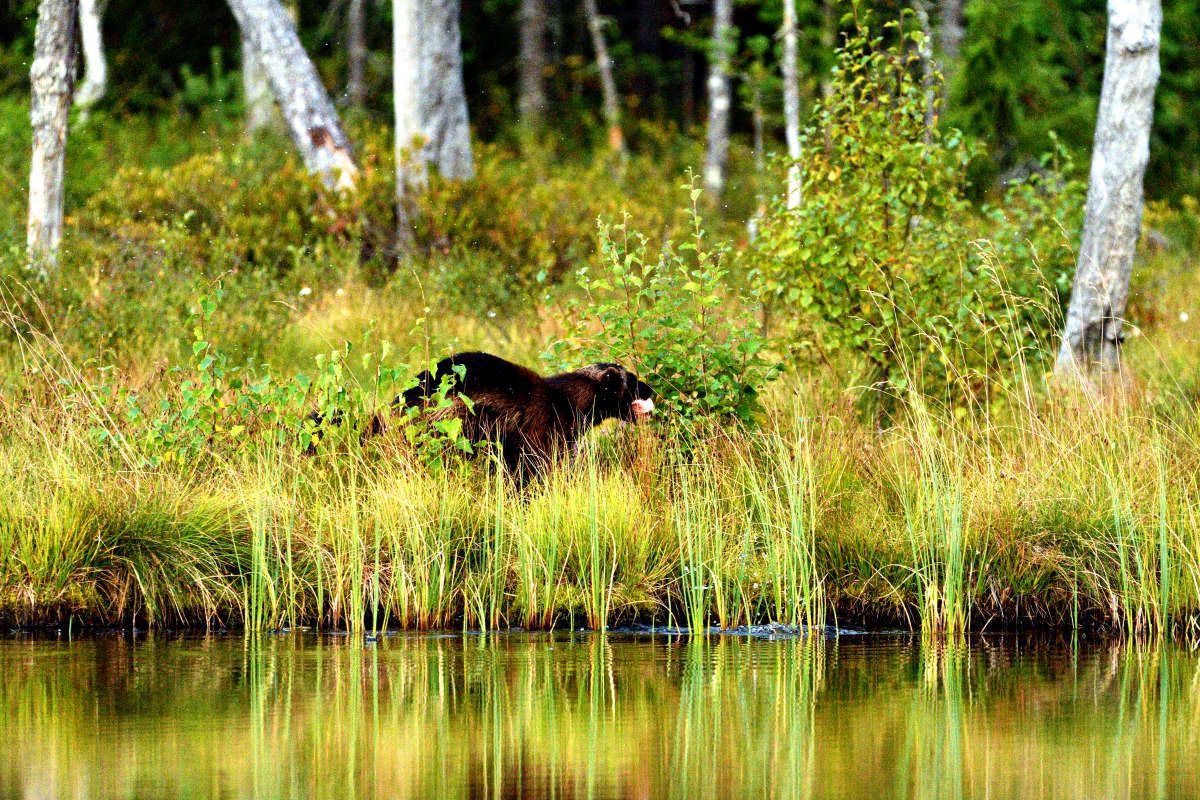
They don't see very well in the forest, and their hearing isn't the best in the animal kingdom either. But like bears, the wolverine has a privileged sense of smell which allows you to orient yourself and follow trails for miles.
His Modus operandi It's well known, and you can see it in the video we recorded. It trots for several meters before stopping. Then it calmly sniffs the ground. Its nostrils are capable of identifying the direction in which there is a greater concentration of odor particles, that is, the direction from which the scent it's following is coming. It can trot for kilometers and rarely loses the trail of its food.
Depending on the source consulted, the wolverine may appear on lists of animals in danger of extinction Or not. For now, wolverines have been confined to the taiga forests and the stark polar cold of the tundra. In some countries like Norway and Sweden, it's very difficult to see them in the wild.
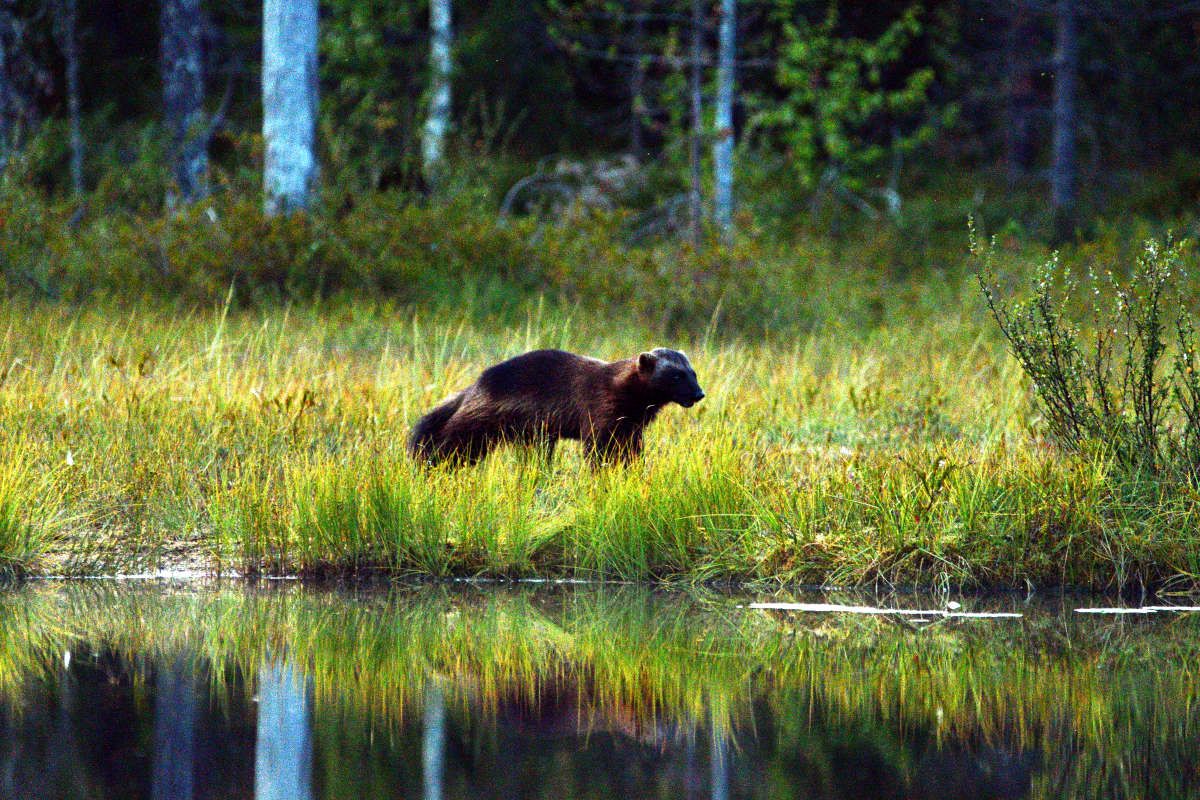
In Finland and Alaska, however, wolverine numbers appear to have been increasing in recent years. The data is inaccurate, as it is inferred from the increase in moose and reindeer carcasses found with wolverine marks and bites.
The fact is that the wolverine is an animal confined to a very narrow strip of the globe. Like the wolf, it suffered harassment and illegal hunting throughout the 20th century, and only in recent years have some of its populations grown again.
Friends, I hope these six facts about the wolverine have helped you create a broader mental picture of this curious animal. A difficult animal to observe in the wild, it continues to fight day after day for its survival. Perhaps this article will help more people learn about it, respect it, and actively contribute to its conservation.