Hello friends,
I know, I know. I've been VERY neglecting you. I've been neglecting the blog, partly because I'm focused on the YouTube channel, and partly because I have more and more photography projects, more trips and more experiences that require a lot of the time I used to dedicate to this blog.
But I finally found some time to tell you about my experience last summer in a hide for small birds (birds passerines, for the more experienced) which I arrived at thanks to our good friend Leandro, from the Naturamil project, in the town of Milmarcos. Would you like to know what this experience was like?
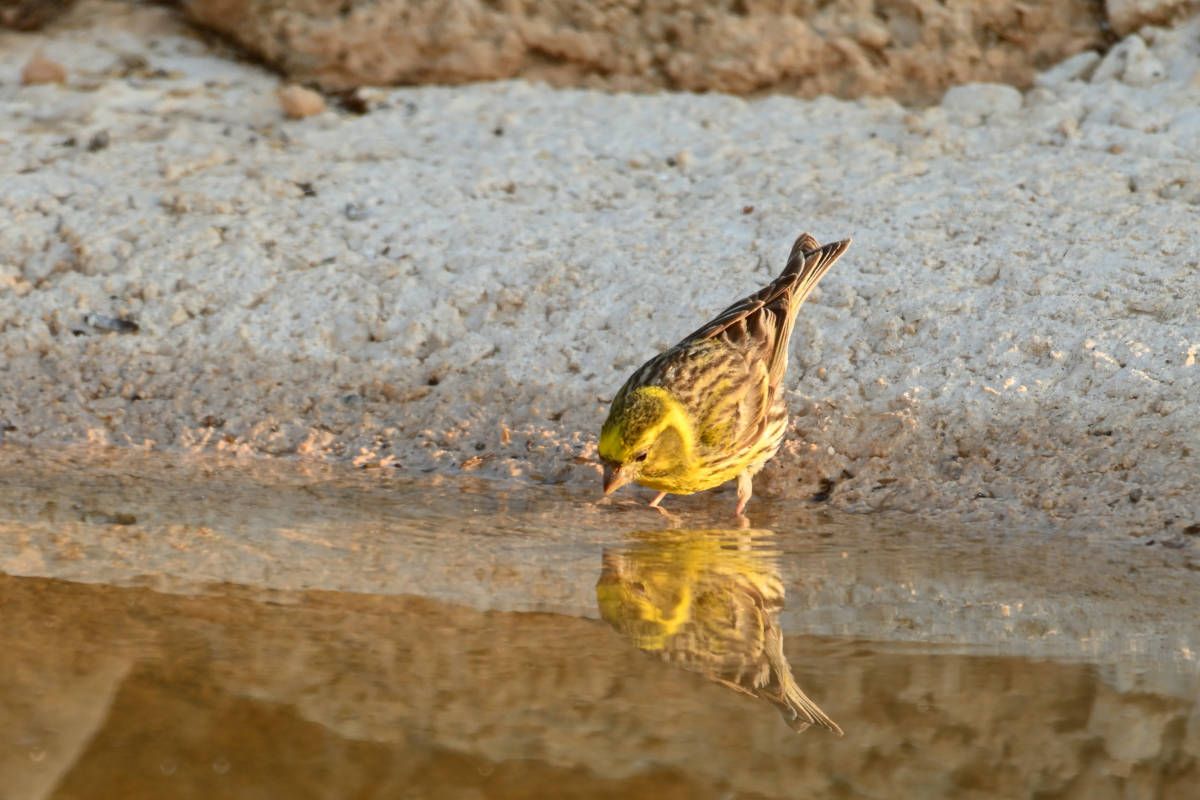
Here's a little greenfinch drinking peacefully in mid-July. It was a hot day, and the birds frequently came to the pond to drink.
And what's it like to photograph from a hide? Well, if you want to know, just read my previous article when we photographed birds of prey from a hide in Monfragüe. This time the hide was more homey, but that was precisely where its charm lay.
Well, the truth is, I don't have any photographs to show you this time of the hide I visited in Milmarcos. It was a small hide, albeit a very tidy one, on a plot of land with a small pond where the birds could come down to drink. Around the pond were also some trees and stumps, all strategically placed as perches so the birds could land before coming down to the ground to drink.
Additionally, as in many other hides, food was distributed around the area. You always have to consider the type of animal you're photographing and choose food based on its feeding habits. Passerines are small birds accustomed to eating seeds, and that's what we distributed around the pond and perches.
In any case, if you want to see what the hide was like, you have a video on the YouTube channel.
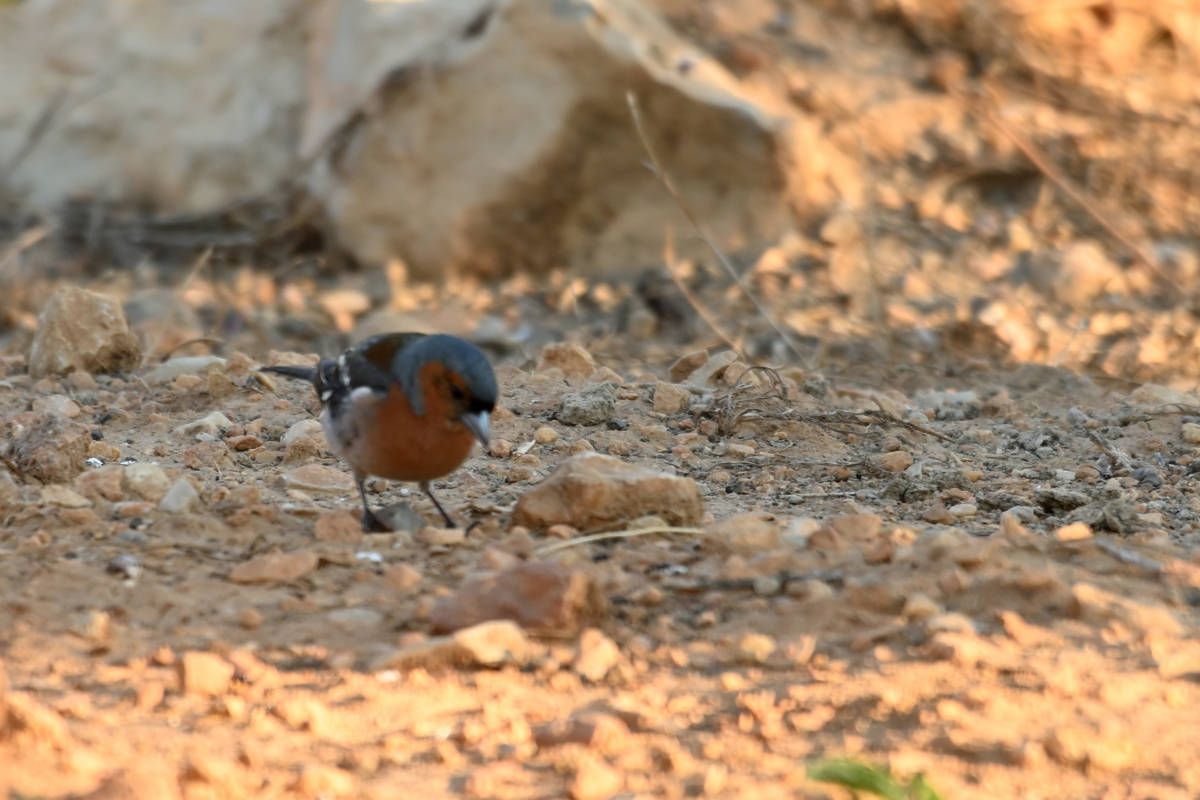
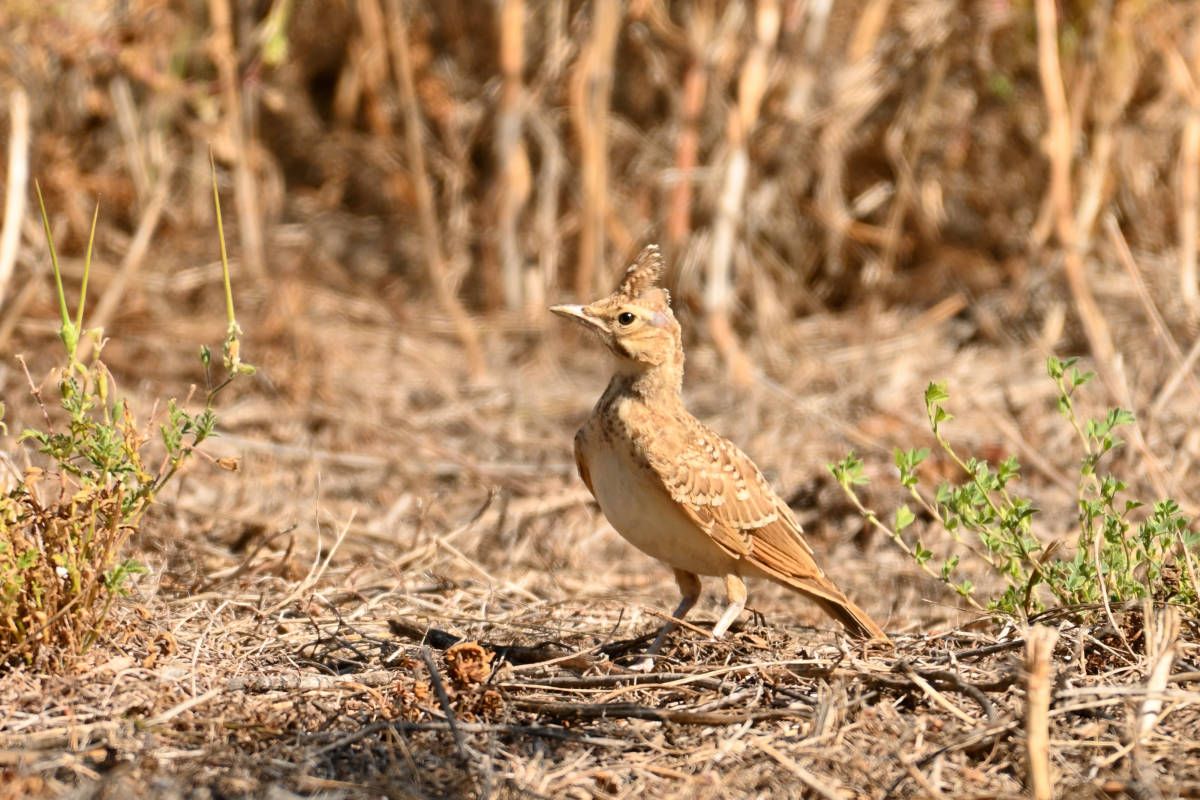
On this occasion, I was able to photograph 10 different species. Honestly, it's not bad for photographing in the middle of July. I'll list them here: Shrike, Crested Lark, Redstart, Wheatear, Sparrow, Washerwoman, Linnet, Finch, Serin and Bunting.
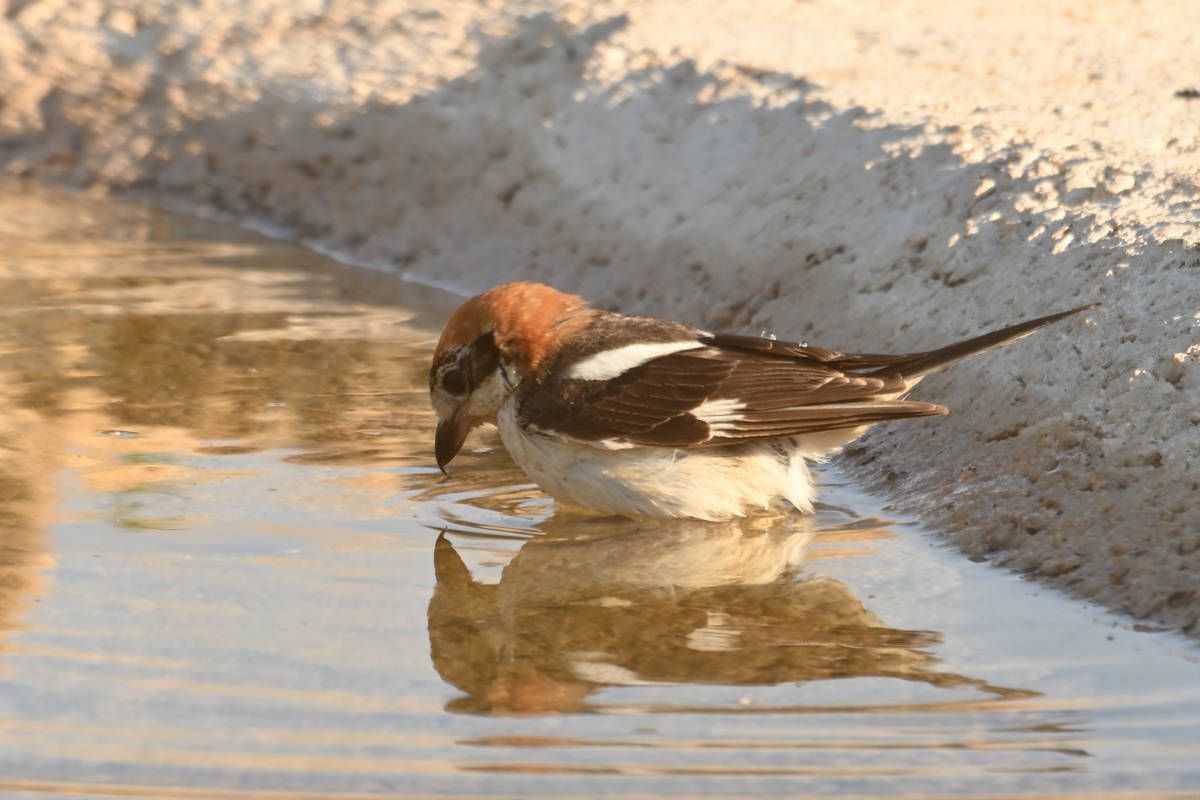
Among all these species, there were some highly sought after by ornithologists and enthusiasts, such as the shrike (which, to be honest, didn't catch my attention much). In this case, a common shrike (which you can see below) appeared at the hide to drink a little water. But it was seen and then missed. Shrikes are very wary of humans, and rarely perch when they know we're nearby.
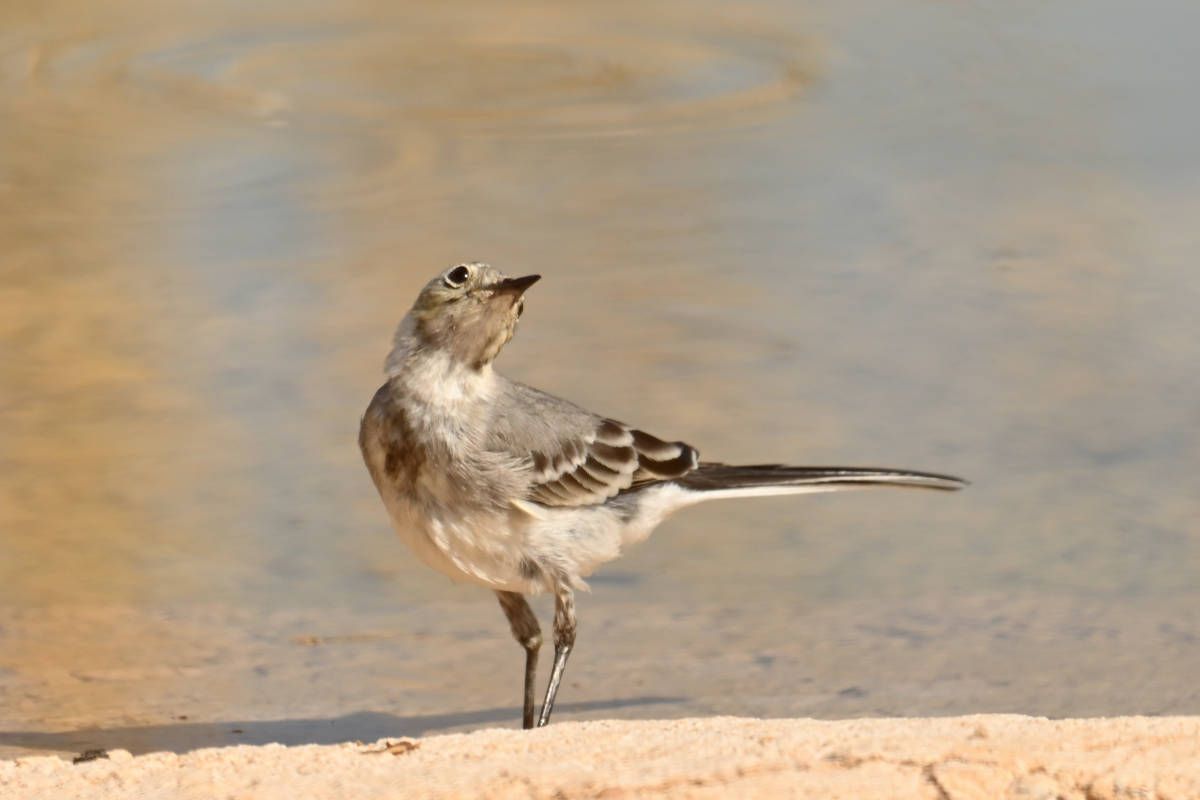
What caught my attention most was a wagtail that posed in front of my camera. Wagtails, unlike shrikes, are birds accustomed to living with humans. We usually find them in small bushes, and they often even perch on the streets of our towns and cities.
This particular wagtail, I have the impression, heard the clicks of my camera and decided to gift me with a session of posed and fake stolen photos. And if that's not the case, please explain to me what it appears to be doing in the next image 🙂
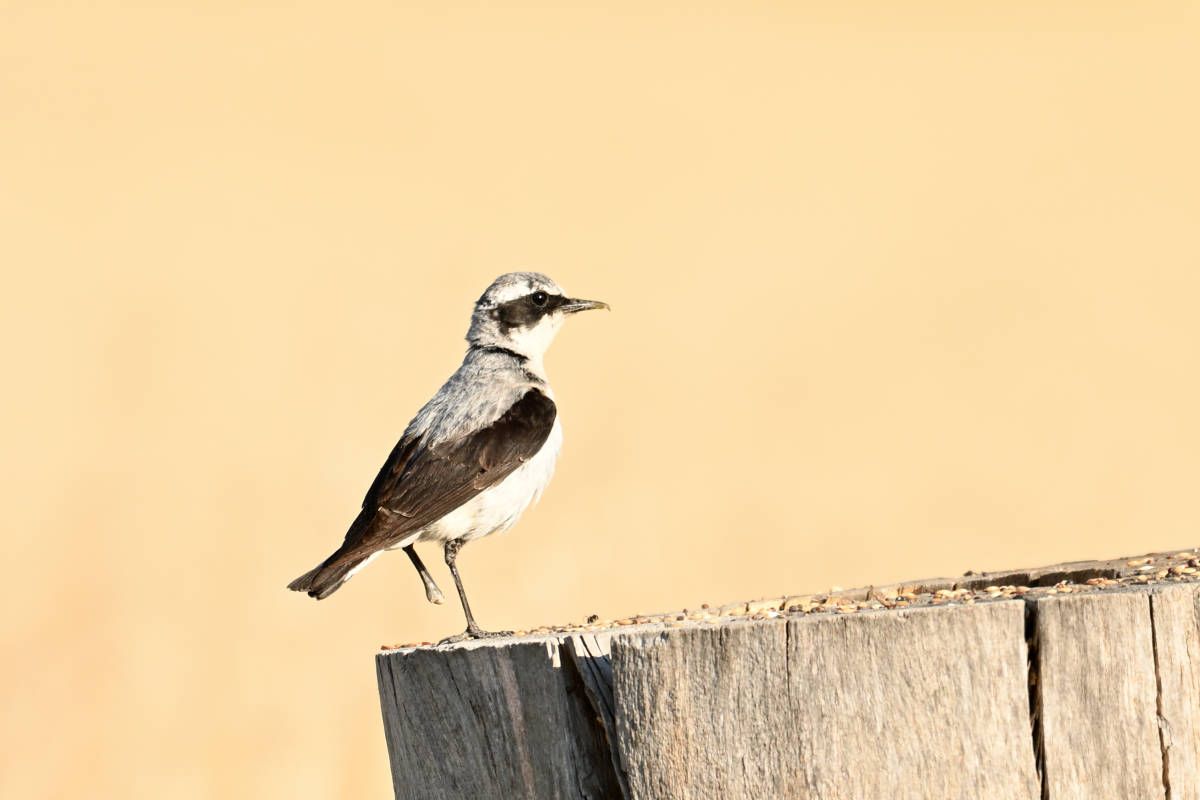
Another small bird that caught my eye was a lame wheatear. It seemed to have suffered a leg amputation, although it's not easy to tell if this was the case or if it was a birth defect.
This particular wheatear came down to the hide several times to eat. And at one point, a domestic cat crossed the pond and perches, so my mind immediately associated the fact that the wheatear had fallen prey to that cute kitten, hahaha.
But apart from conjecture and my lightning-fast mind, we can't know exactly what happened to this wheatear.
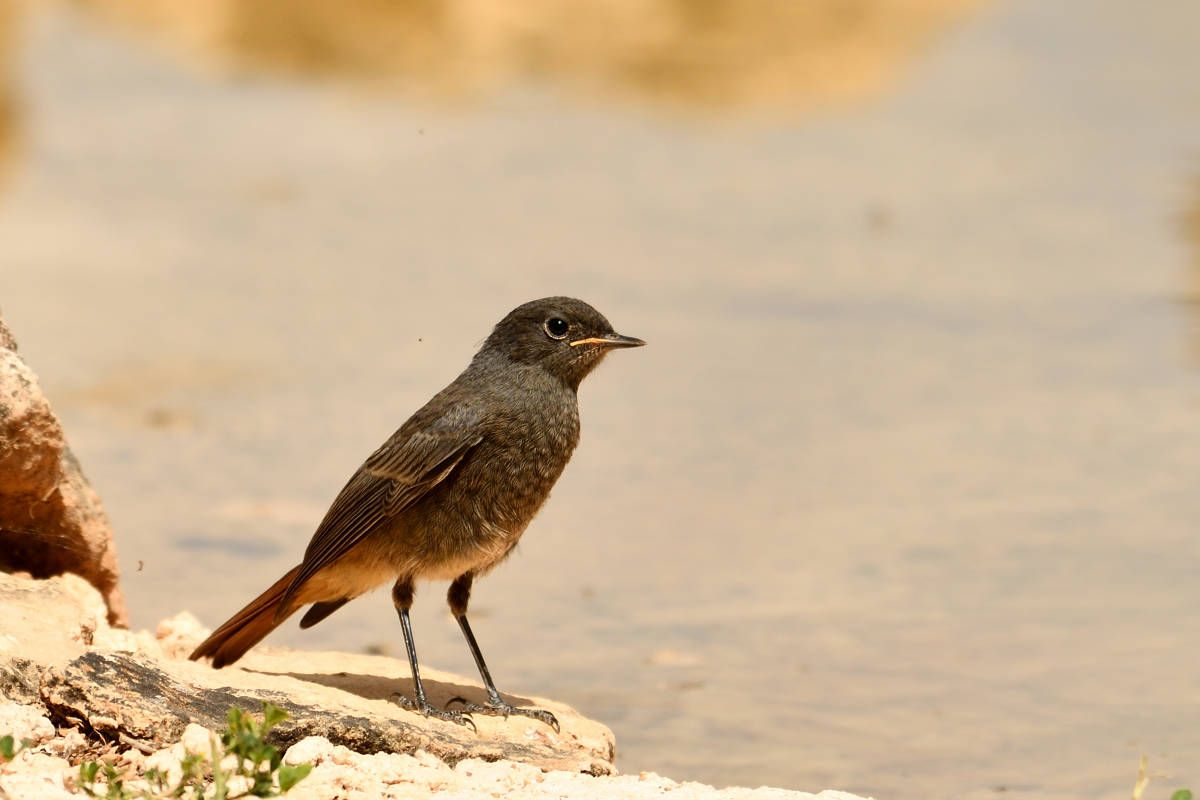
Redstarts are very curious little birds. Actually, almost all passerines approach slowly, exploring, being curious, and testing how close they can get to something unknown.
But this particular redstart was curious about the hide for a long time. It would approach the water, take a quick dip to clean its feathers, and then turn back. It would eat a little, then come back to drink water and take another dip... and when it got tired, it would explore its surroundings and come closer. too much to the place where I was hiding.
Here I leave it for you
It's been a very productive summer, even if it doesn't seem like it. We've gone on excursions, trips, and documentaries—although we've spent almost all our time on fieldwork, not editing and publishing.
But that's about to change. September is going to be a month packed with videos on the Fotogario channel, starting with this visit to a small bird hide.
I hope you like it (published in Facebook)